Eye of the Cormorant

another odd bird who chases fish.

Author: pkstoddard

  • Endings and Beginnings

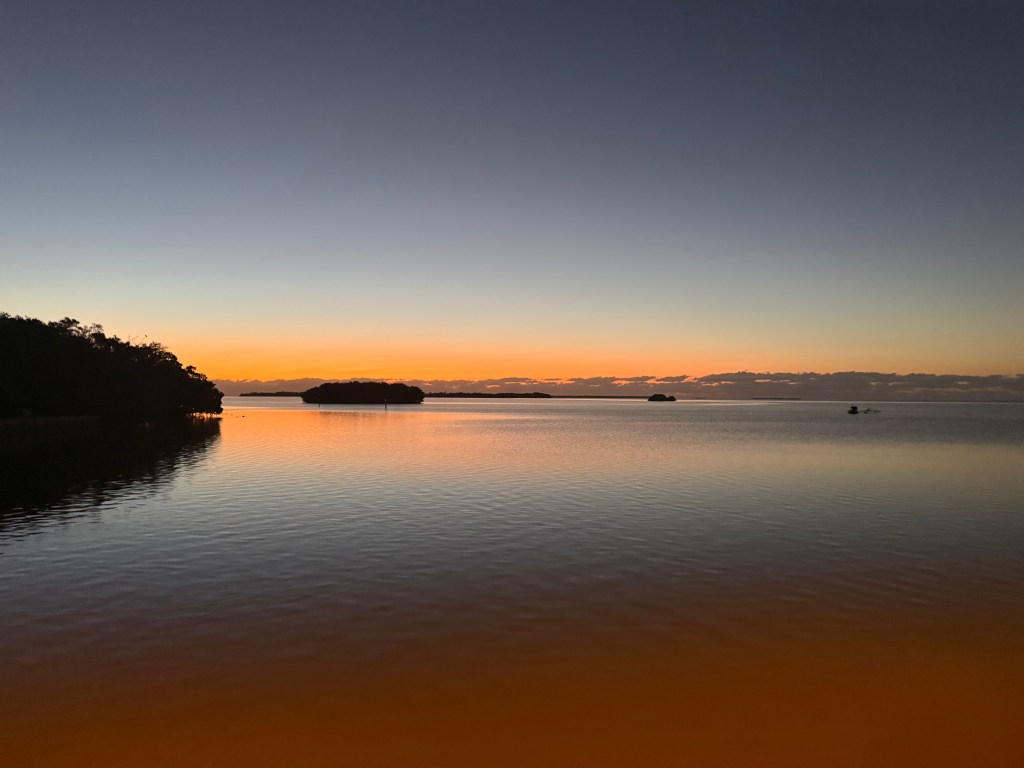
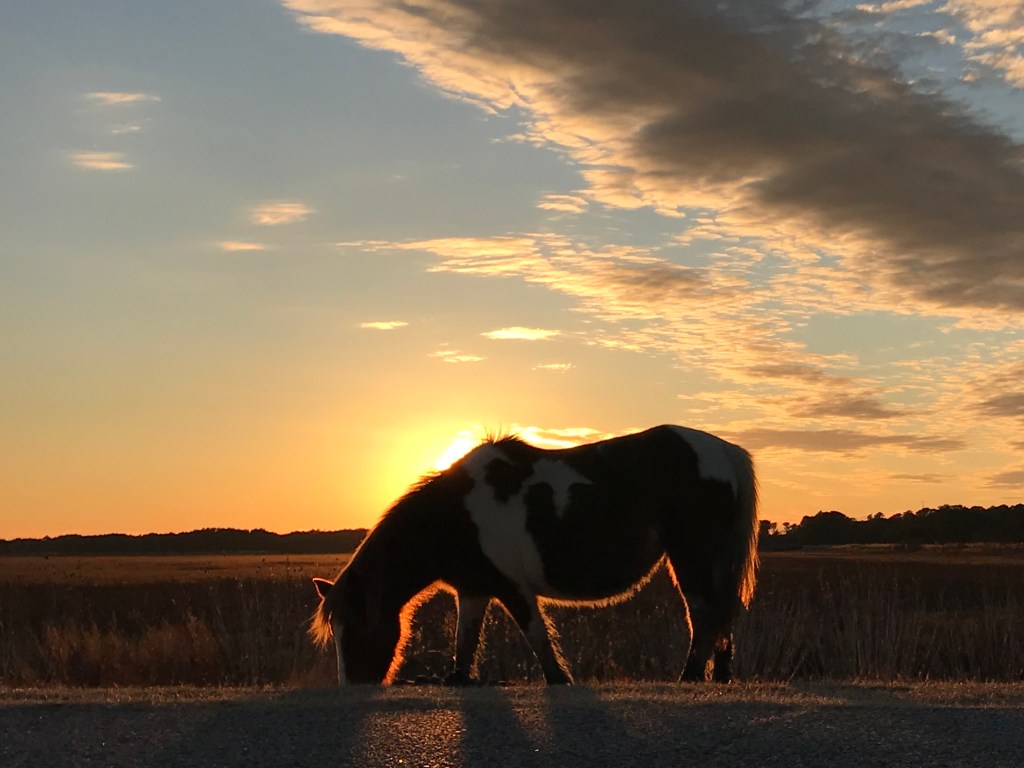
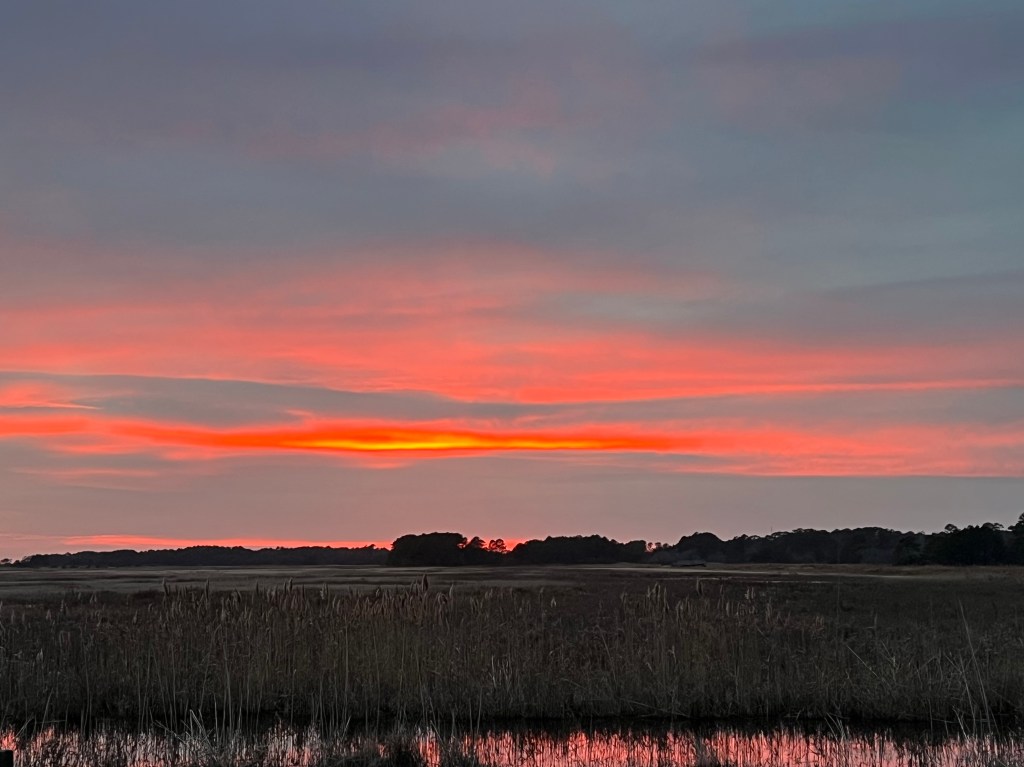
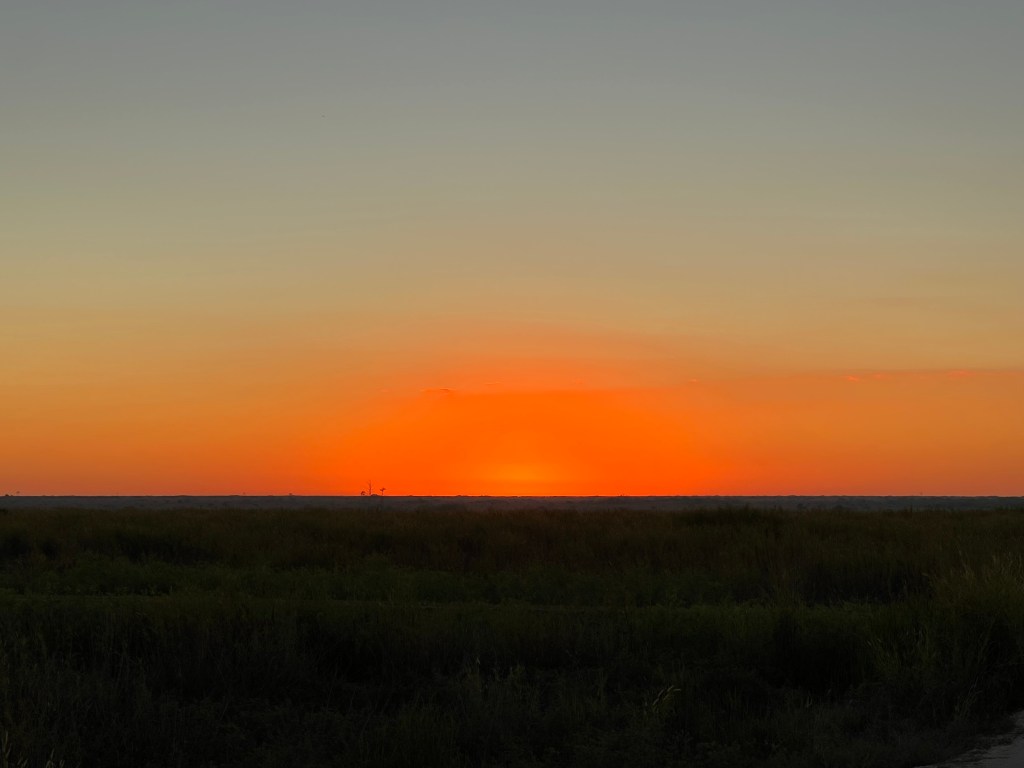
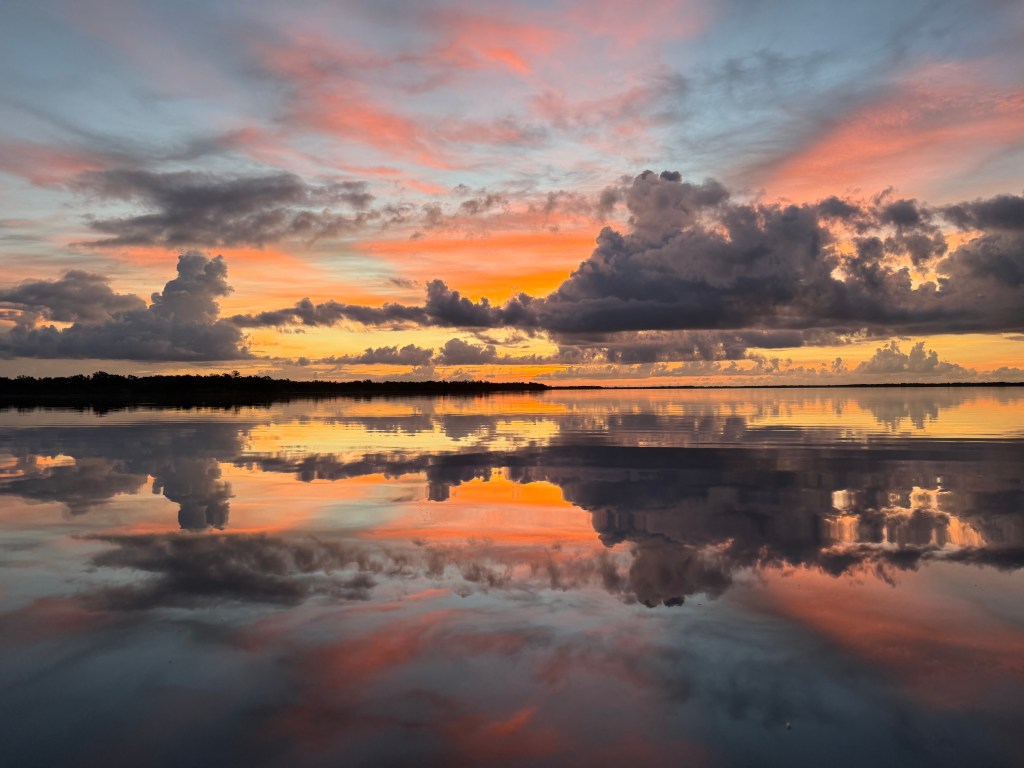
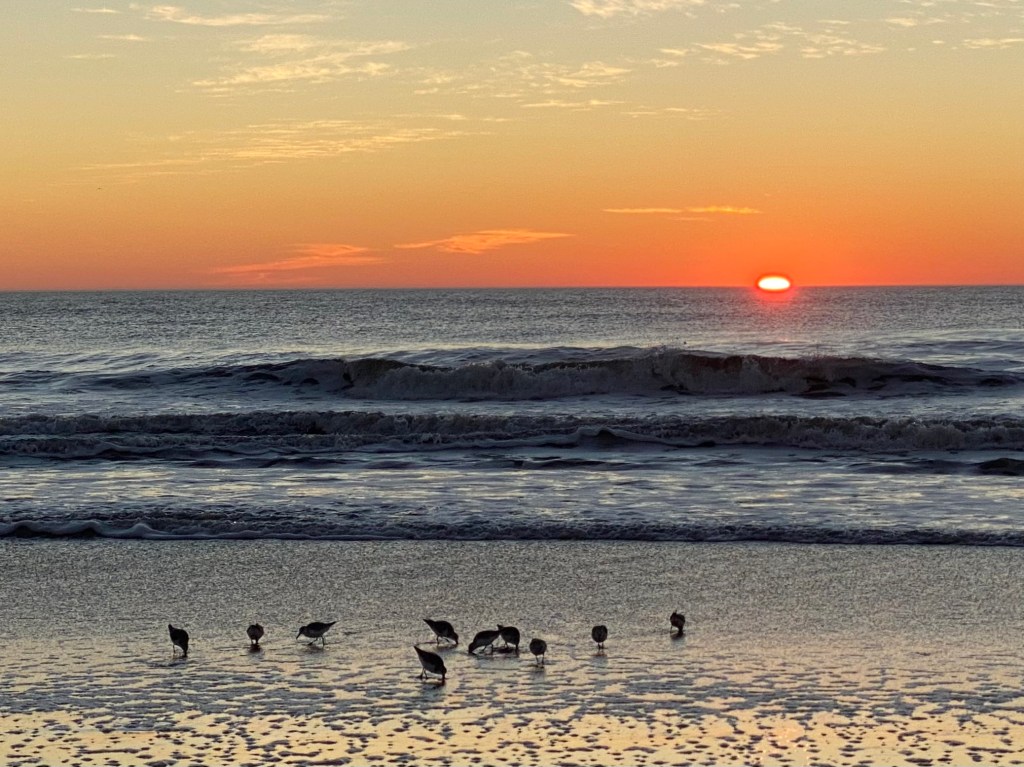
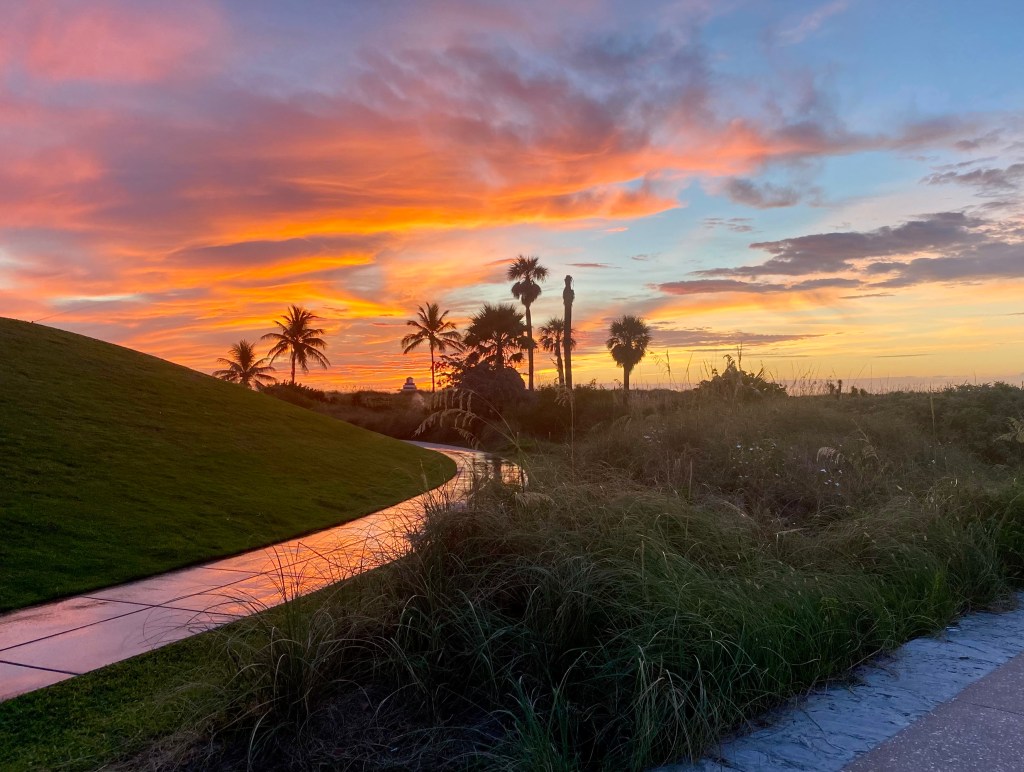
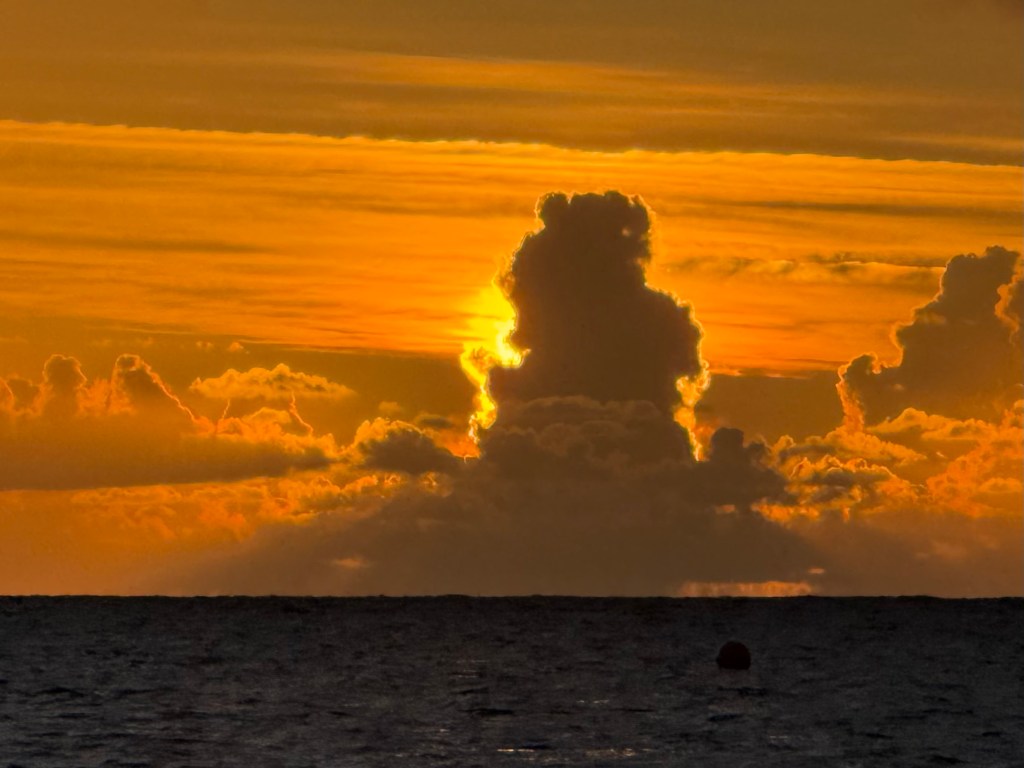
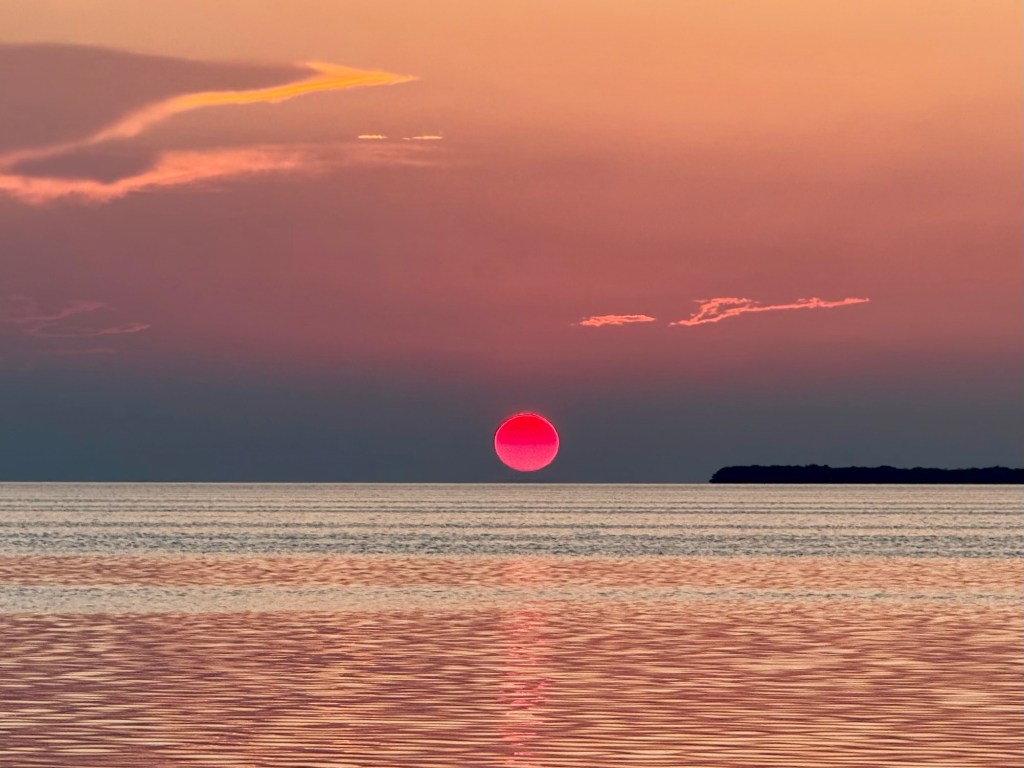
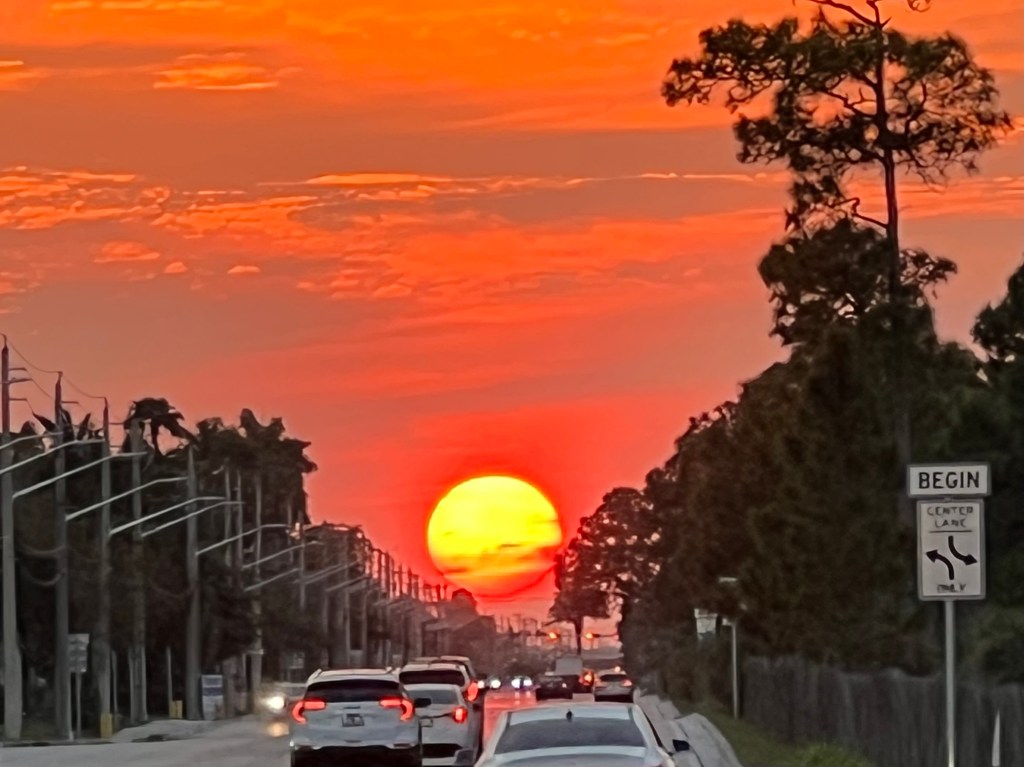
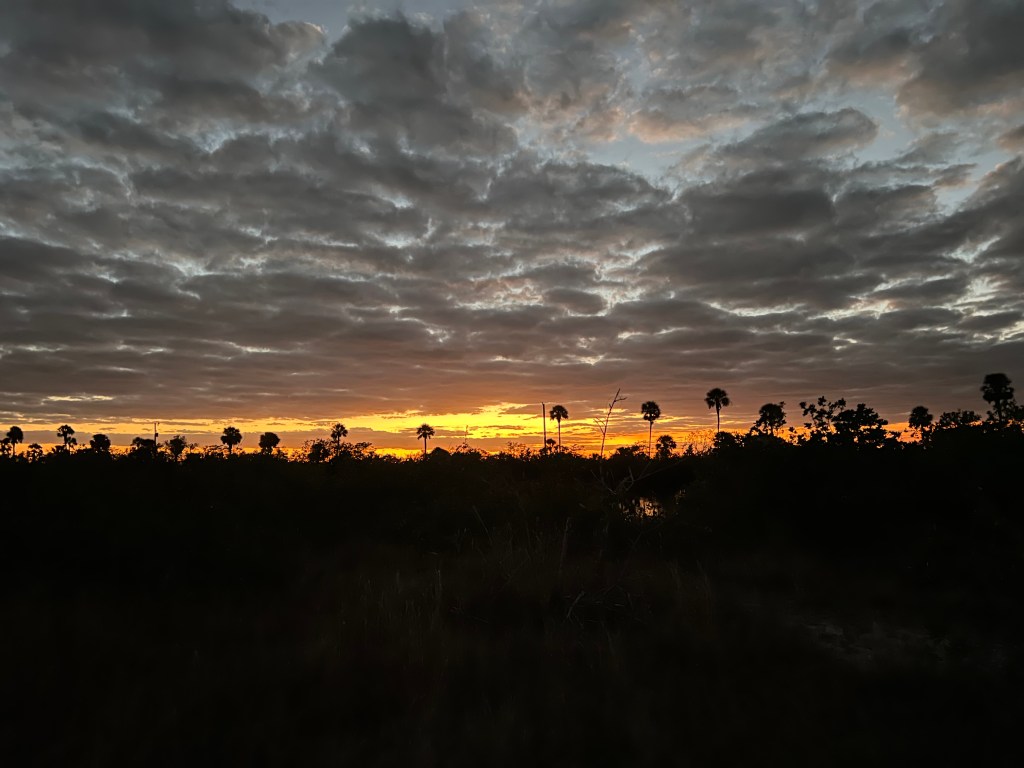
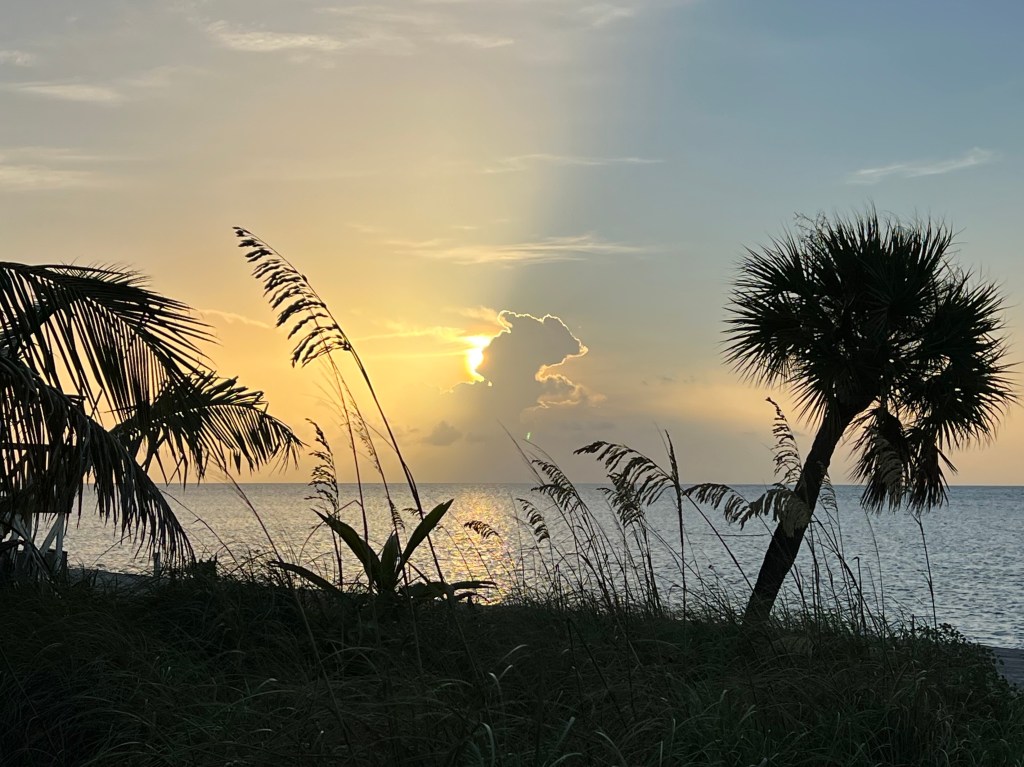
    Dave Barry once noted that he’d seen more spectacular sunsets in his first year in Miami than his entire life in Philadelphia. Having an iPhone in my pocket helps to illustrate his point. Sunsets are splendid, though as a fisherperson, I’m partial to sunrises.

    Dusk

    Wild pony, Assateague Island, VA
    Assateague Island, VA
    Spring equinox, Southwest Miami-Dade County, FL
    Tarpon rise (lower right), Ochopee, FL
    Womenfolk on Rabbit Key, Everglades National Park
    Ochopee, FL
    East Everglades, Miami

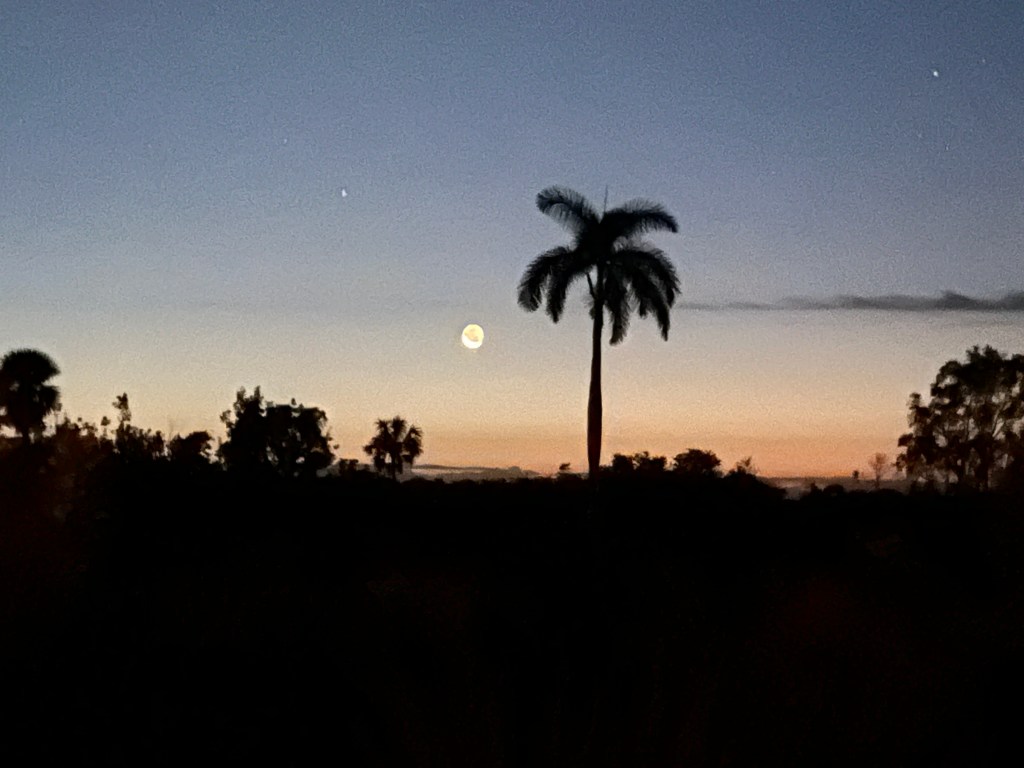
    Dawn

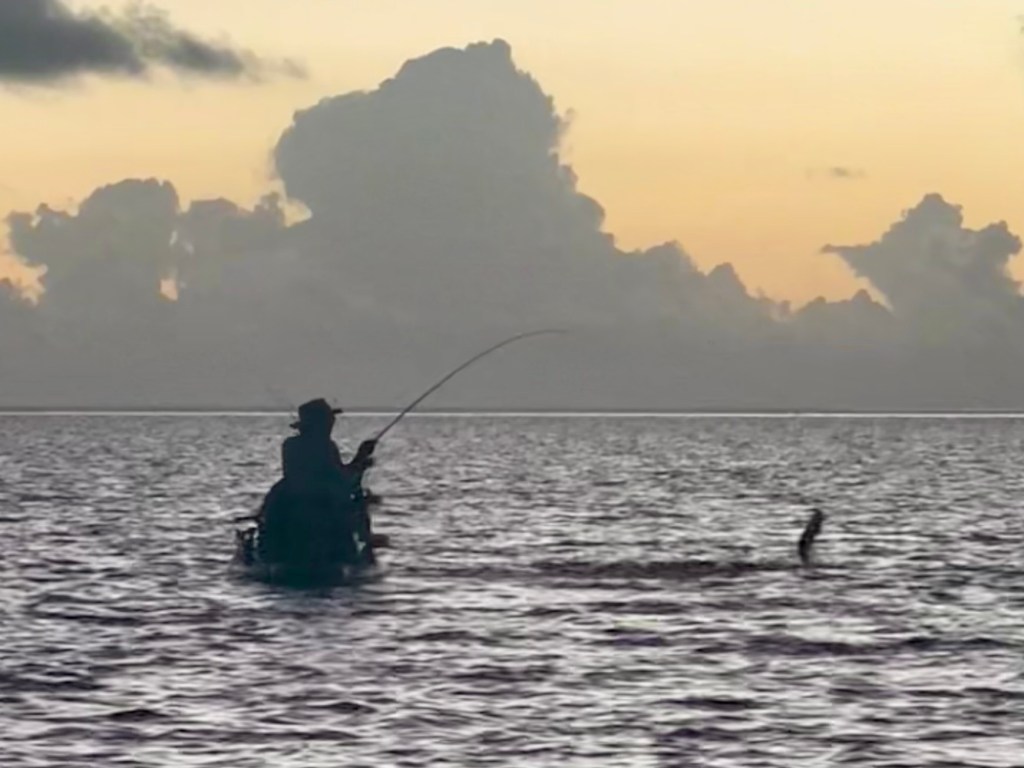
    Fly fishing at the start of civil twilight, West Lake, Everglades National Park
    Two planets and a moon, Everglades National Park entrance road
    West Lake, Everglades National Park
    Assateague Island, VA
    South Pointe Park, Miami Beach
    Crandon Park, Key Biscayne
    Key Biscayne, FL
    Little Duck Key, FL
    Palm Key, Everglades National Park

    P.S. Last sunset of 2025

    Assateague Island, VA.

    P.P.S. First mosquito of 2026

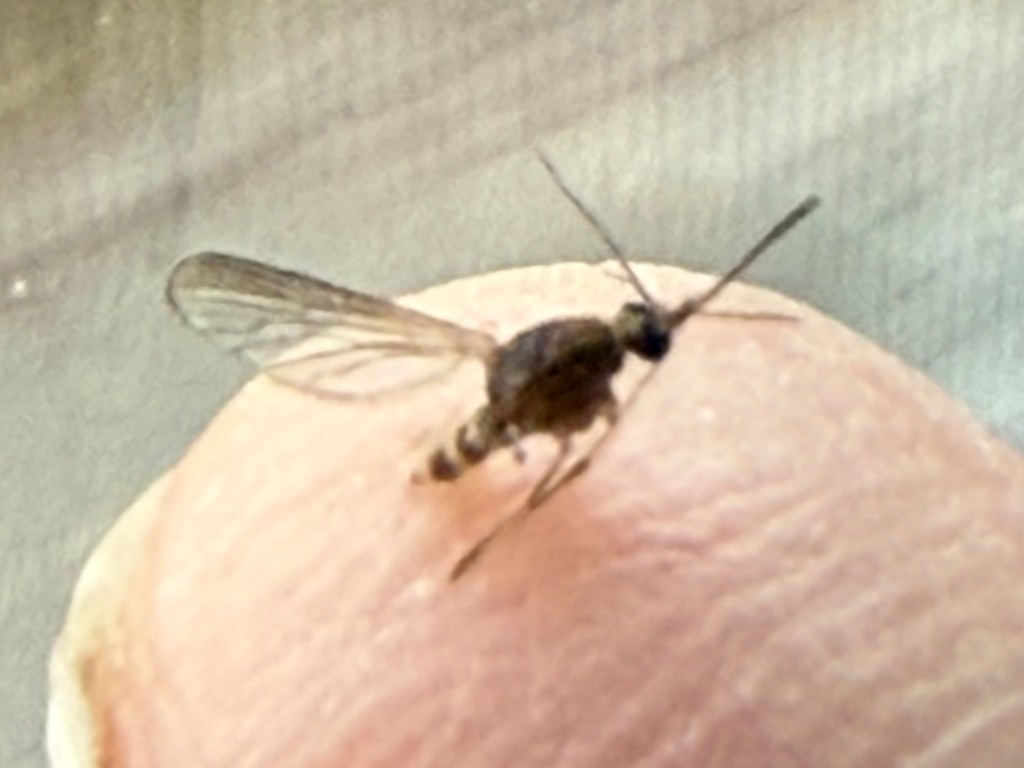
    Remnants of a mosquito that entered through the heat vent at our rental house in Chincoteague VA, assisted by raccoons who partially dismantled the heating ducts under the house.

    © Philip Stoddard
  • Tarpon colors

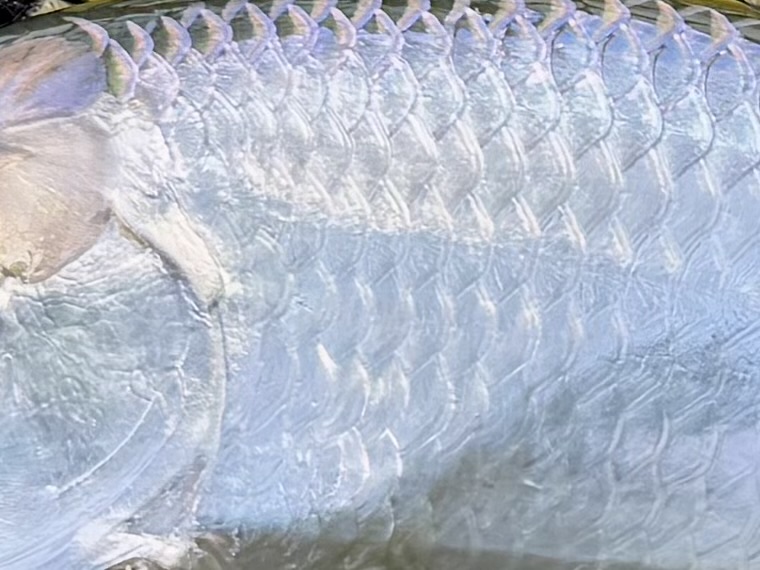
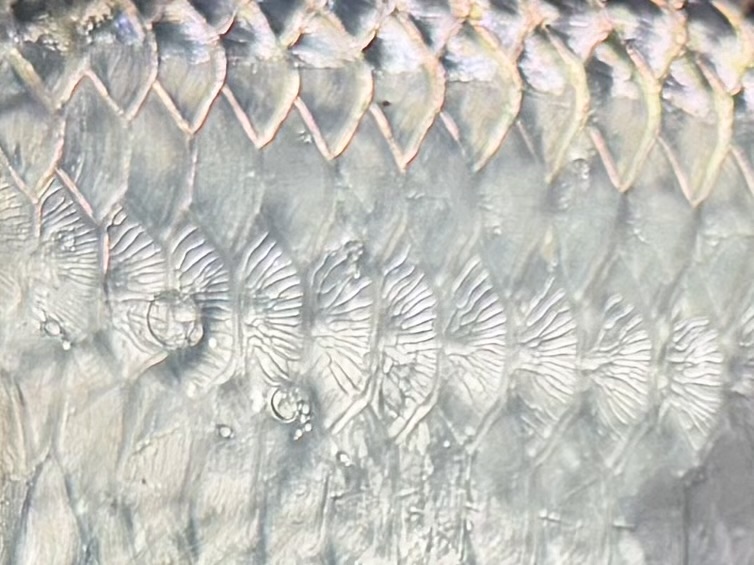
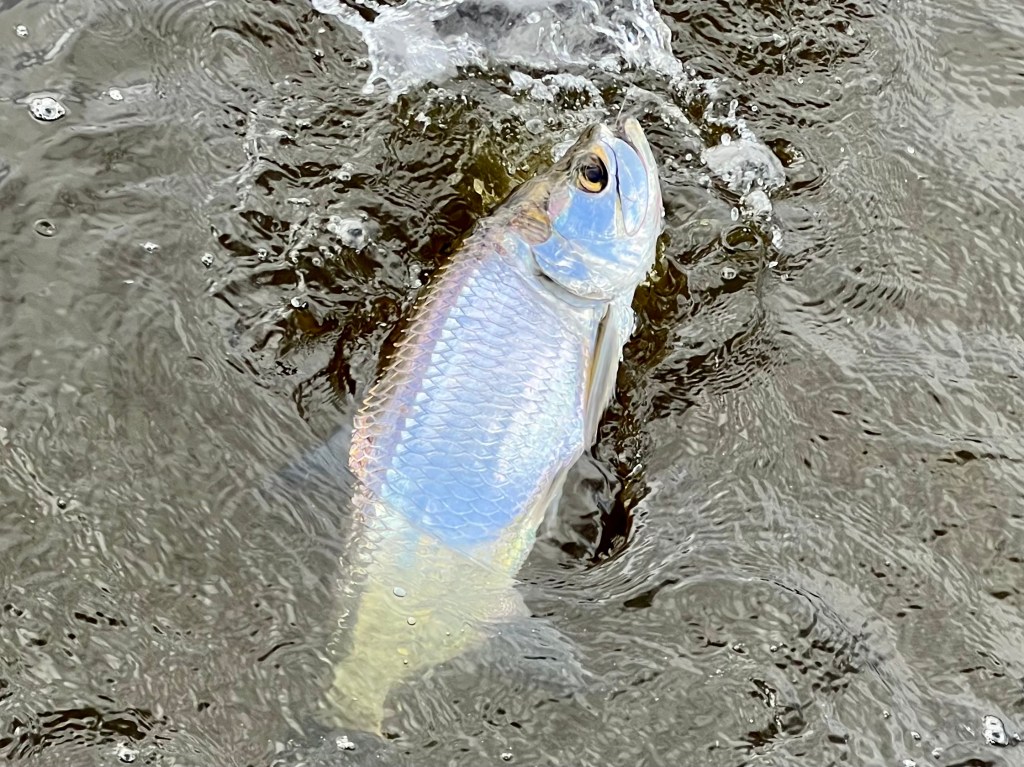
    Fish are often camouflaged, some by color and patterns that resemble their backgrounds, others by reflecting the light around them and thus matching any and every background. Tarpon do the latter with scales that work like mirrors.

    Juvenile tarpon are about my favorite fish to chase on the fly rod. I say “juvenile” because the adults weigh 70 to 200 pounds. I normally avoid disturbing the adults and fly fish instead for smaller juveniles weighing 3 to 20 pounds, reasonably common in the canals and tidal creeks of South Florida.

    Tarpon are smart and strong, and they are spirited jumpers. The mantra among tarpon fishers is “Bow to the King”, meaning when the tarpon jumps, you lower the rod to create slack and prevent it breaking off or throwing the fly.

    Instead, I lightly tension the fly line during a jump to help the tarpon toss the fly without breaking the line. My goal is to fool the tarpon into eating my fly, have it give me a showy jump or two, but spare it the exhaustion of a complete fight and spare me the guilt of exhausting a beautiful fish.

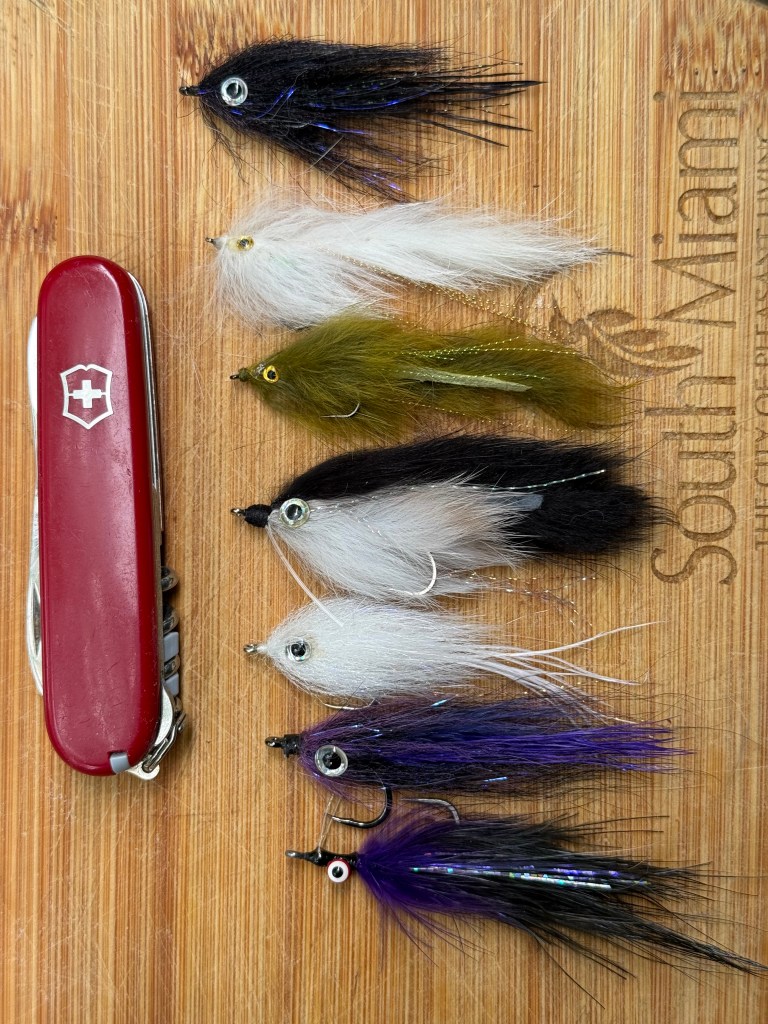
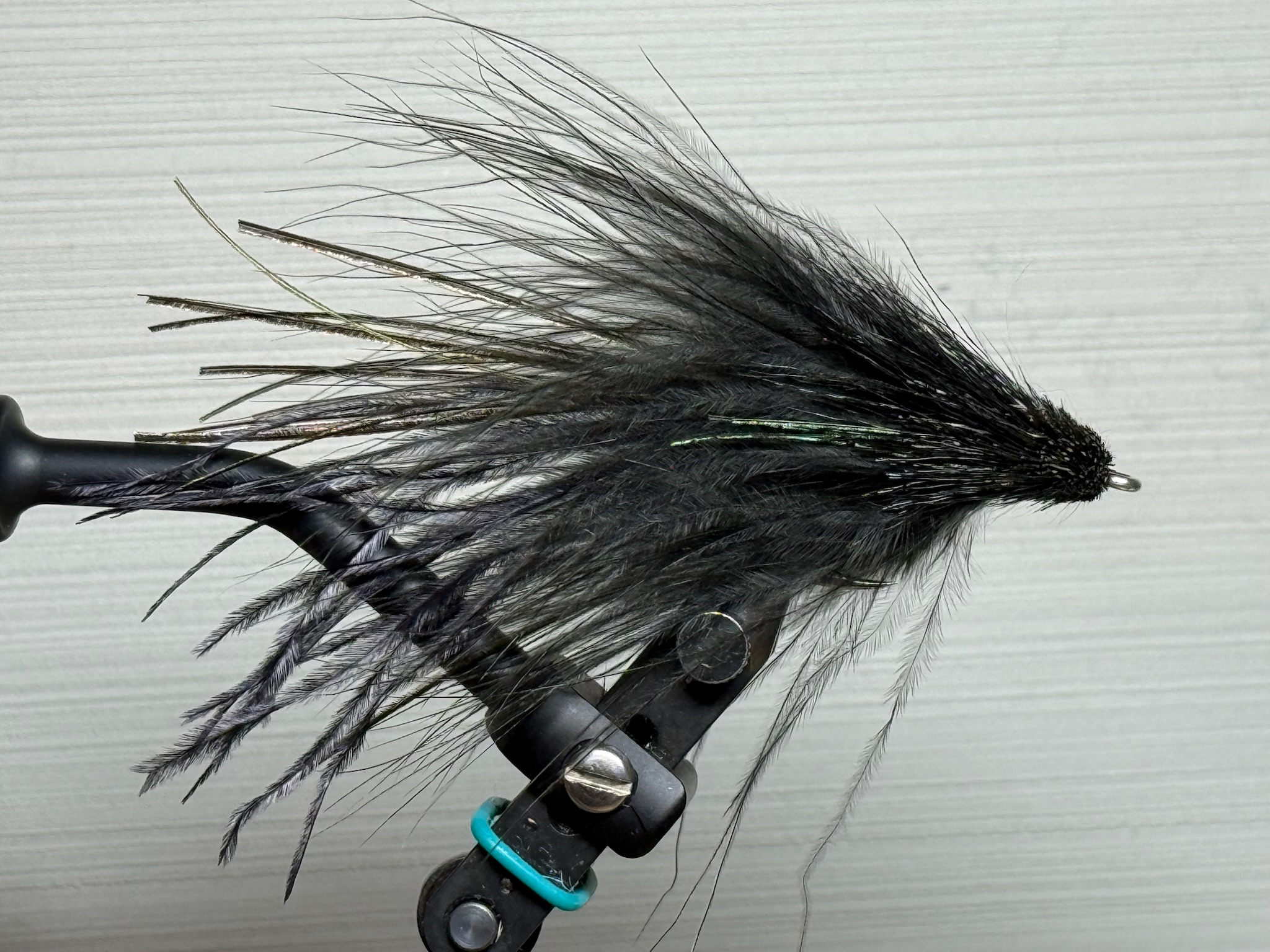
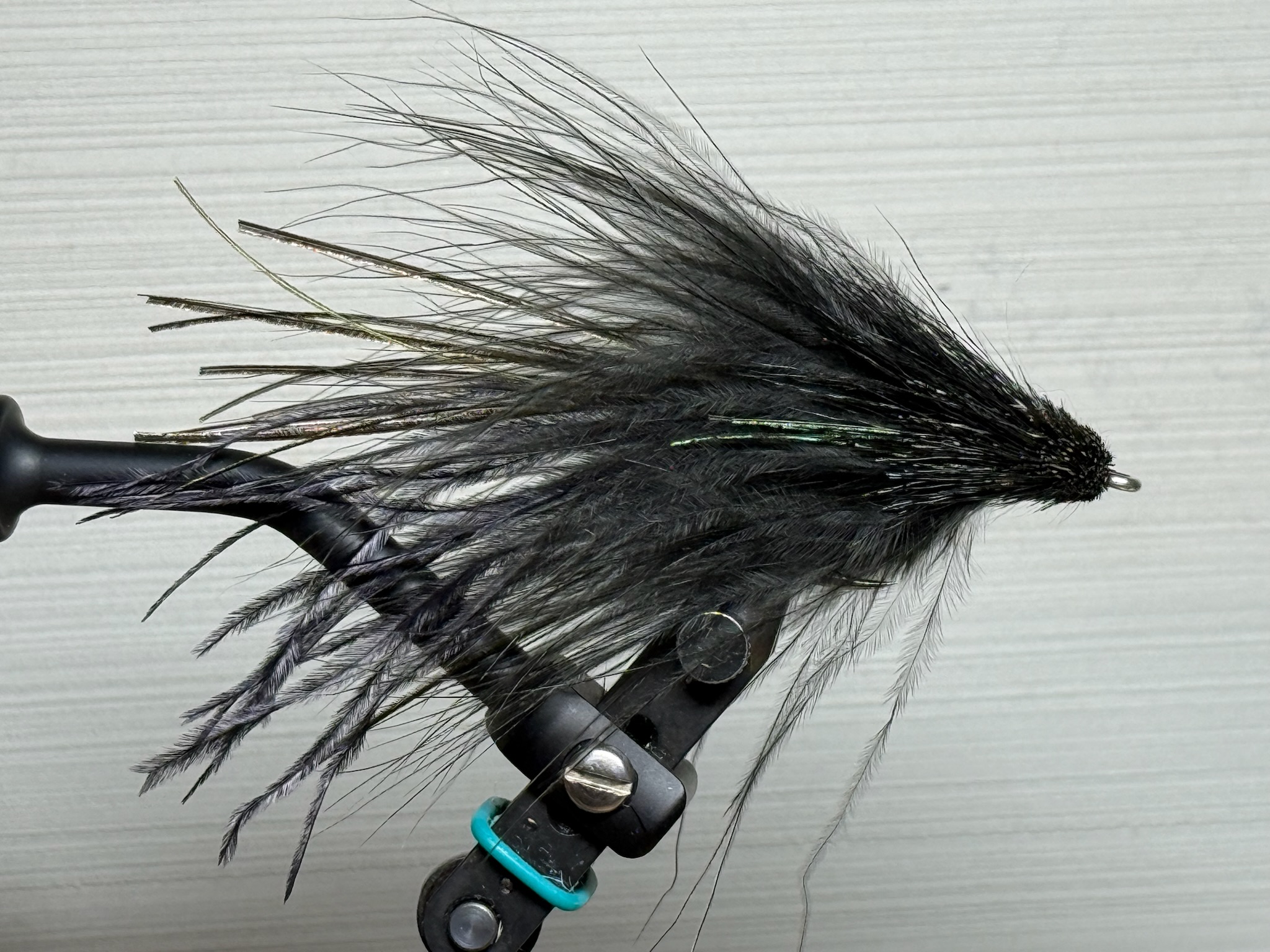
    Yesterday, while kayak-fishing a saltwater canal, three miles from home as the cormorant flies, I spotted a couple of big juvenile tarpon in the 40-60 pound range. I swapped up to a larger fly “the Devil’s Daughter”, a muted black pattern designed by Drew Chicone for catching tarpon that are wise to the fly fisher’s usual sparkly fare.

    Tarpon can breath air, “rolling” on the surface to gulp a bubble before descending into the murky water. Following a roll, I’d cast the fly 6-10 feet in front, let it sink a bit, and retrieve it steadily. Twice I felt “short strikes”, in which an unseen tarpon grabbed only the feathery tail of the fly. A couple of casts later the fly stopped mid-retrieve, like I’d hooked a log. I set the hook and the line began to pull. The fish was in no hurry.

    Smaller tarpon jump immediately. Instead this tarpon went deep and swam away slowly. I took up the slack and kept reeling until my 7wt rod bent double and the leader touched the tip guide of the rod. The tarpon turned and made a dash under the kayak. I flattened the propulsion flippers to keep the line free as I worked it around the bow and the tarpon took off. Once in a while, I’m glad for the smooth drag on my fly reel.

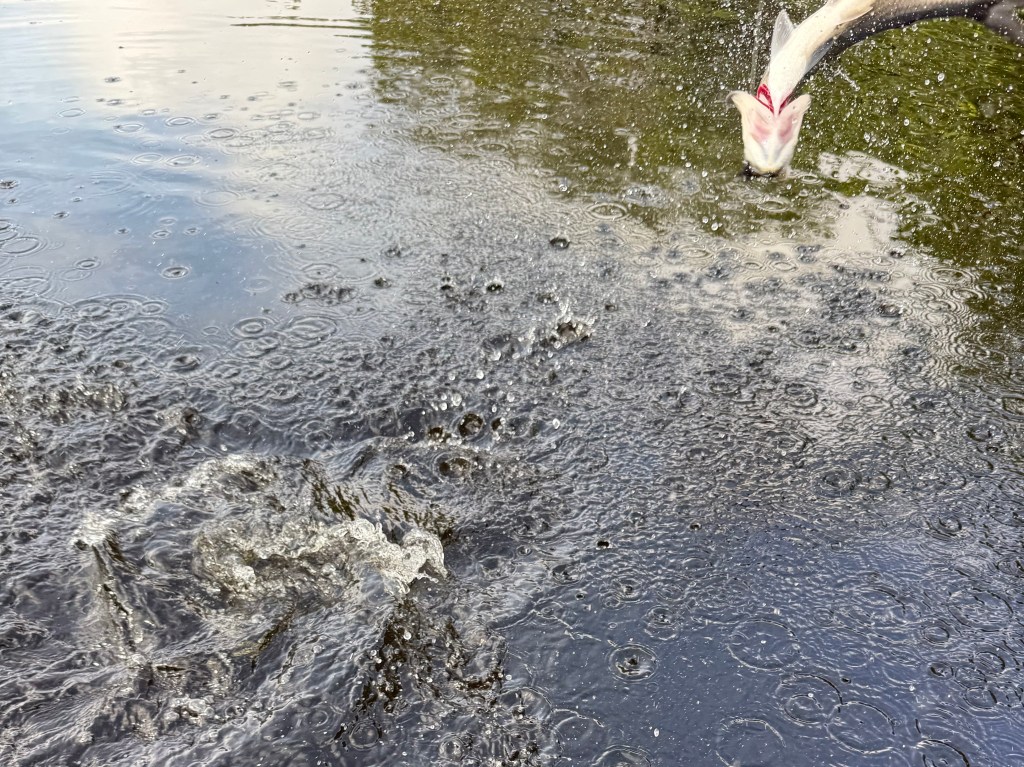
    We had been pulling back and forth on the fly line (intermediate clear tip) for a couple of minutes and the tarpon had enough. It took to the air, arcing its body in a fast reciprocating shake that tossed the fly. I got my fly back and the tarpon continued on its hunt for hapless baitfish. I was ecstatic – that’s about as good as it gets in my book.

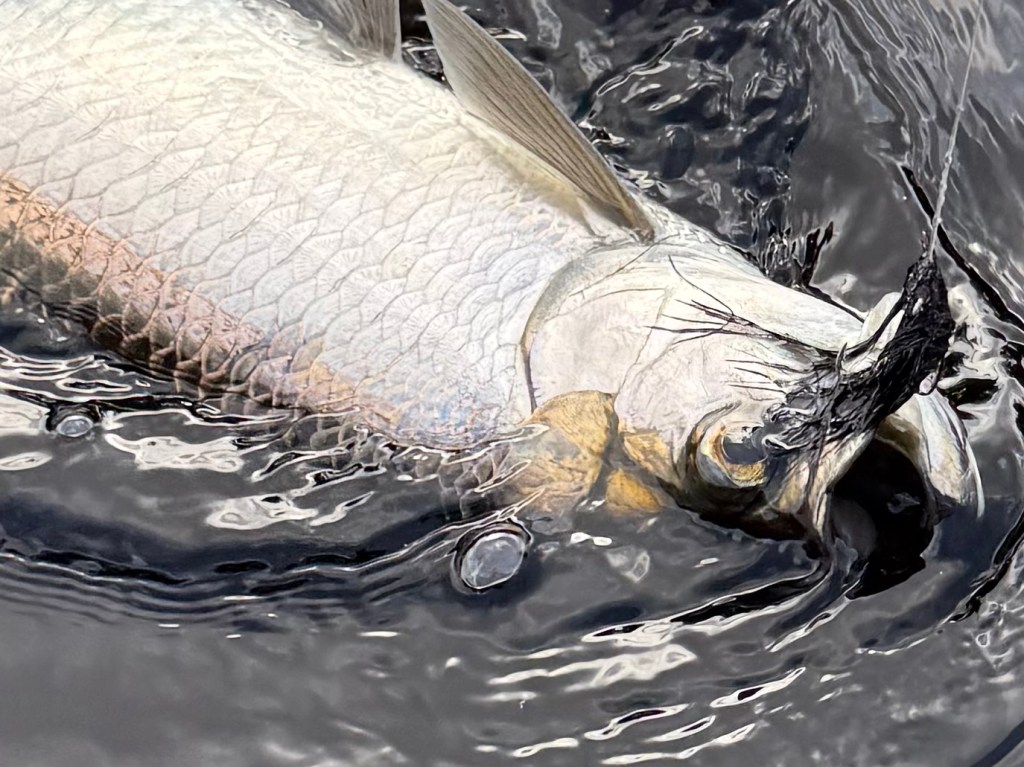
    Sometimes the fly won’t shake loose and I must net the fish to release it. While I have it in the net, I usually take a photo to document the spectacular purples, pinks, blues, and greens reflected by the tarpon’s mirrored scales. Here are some photos from my collection.

    Thank you, tarpon.

  • Pandora’s Flats

    I’ve been grappling with a multi-way conflict: (1) trying shake the “forever cold” while (2) healing a torn rotator cuff muscle (supraspinatus) in my fly casting arm, and (3) enjoying every nice day I can on the water with a fly rod and binoculars. At least I don’t have to grade papers.

    A cold front reached South Florida, knocking down the mosquitoes and moving sharks away from the shallows. The Everglades mangrove flats beckoned me southwards.

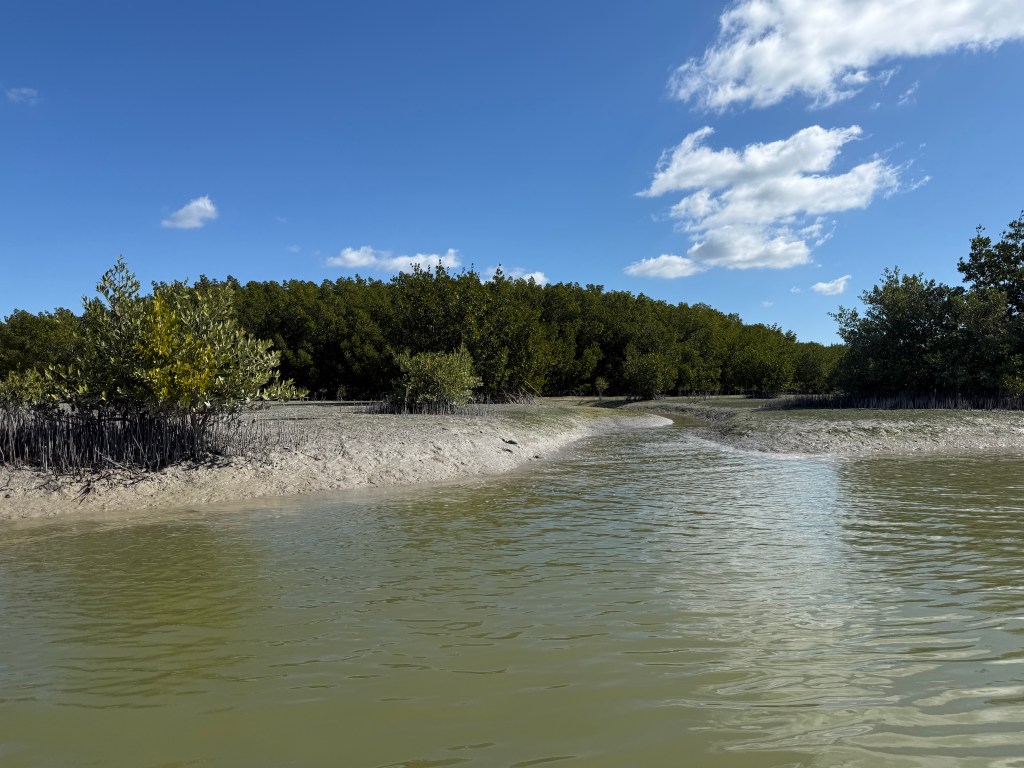
    Entrance to the flats.

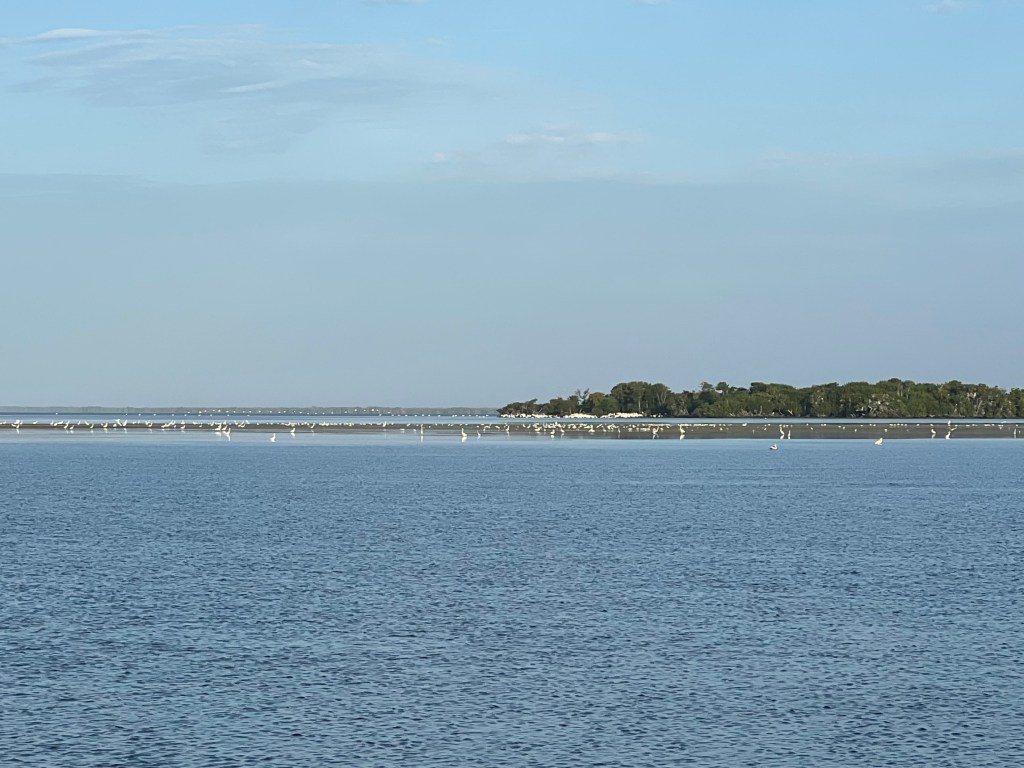
    One shallow flat in particular draws me to watch shorebirds and chase game fish.

    Birds gather on the falling tide. Snook and Redfish forage near that edge.

    To get the best experience, you have to get the tides right. Depending on the moon and tide phases, the area can be 16 square miles of water (birds wait in the trees and fish are everywhere), 15 square miles of exposed mud (birds dispersed everywhere and fish are concentrated in the channels with the sharks), or something in between (birds and fish both concentrated on the edge of the tide). If the wind comes up, water might blow onto or off the flat, superseding the tidal prediction.

    Several two mile trails lead to the edge of the flat. When my late colleague George Dalrymple took his zoology class down the Snake Bight Trail, one student had to be carried out after she fainted from the sheer horror of the Black Salt Marsh Mosquitoes. I found that pedaling my bicycle down the trail lets me keep ahead of the swarm. Just don’t stop! But the best access is in a shallow-draft boat, a kayak, canoe, or technical poling skiff.

    Coming by boat, you have access to more of the flat and can approach the edge of the tide where birds and fish are concentrated. However, it’s easy to get trapped by the falling tide, particularly when distracted by fish or shorebirds, both of which follow the rapidly moving tidal edge. If Poseidon empties the bathtub while you are far from a channel, there’s no walking out. The deep, sucking mud steals your sandals before eating you whole.

    People who get stuck sometimes phone the Park dispatch office. The ranger explains:“Yes, we see you out there, but we can’t get to you. Unless it’s an emergency and you want to pay for a helicopter, you are going to sit there until the tide comes back in.” You might spend up to eight hours waiting for the next high tide to free your boat. Hope you brought extra water and a granola bar, and good luck with the lightning.

    I have willingly allowed myself get stranded at the bottom of the outgoing tide while watching shorebirds, chasing fish, or watching shorebirds chase fish. I eat lunch then escape when the tide returns to float my boat. The show can be worth the wait.

    Tricolored Heron
    Black-necked Stilt
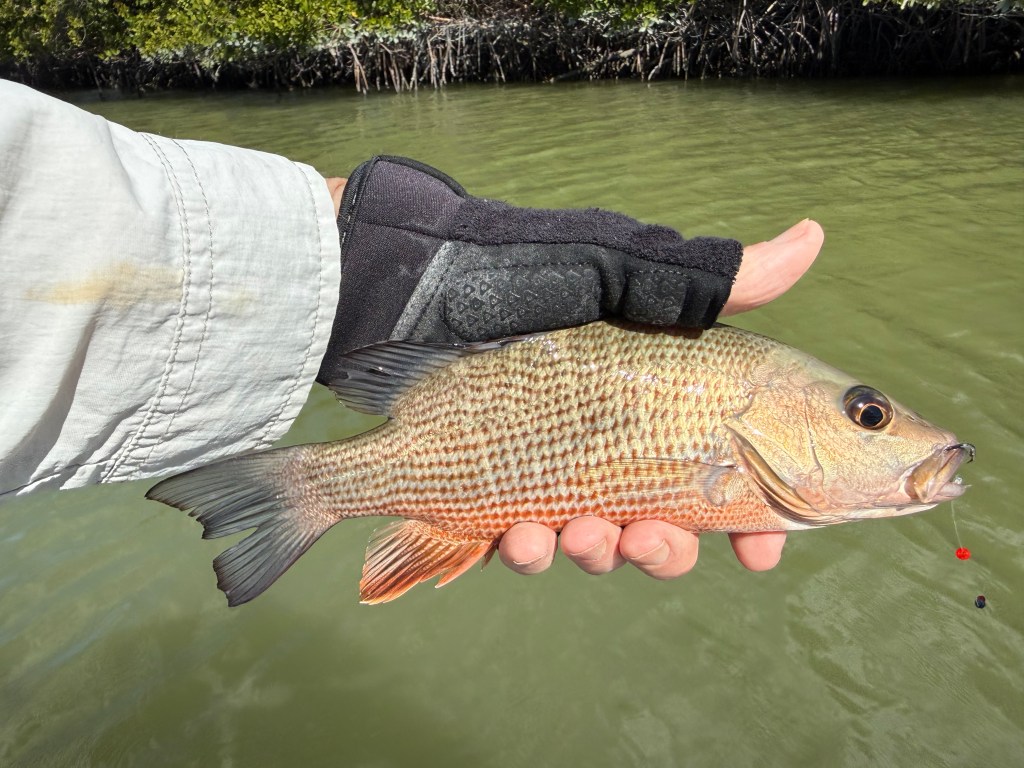
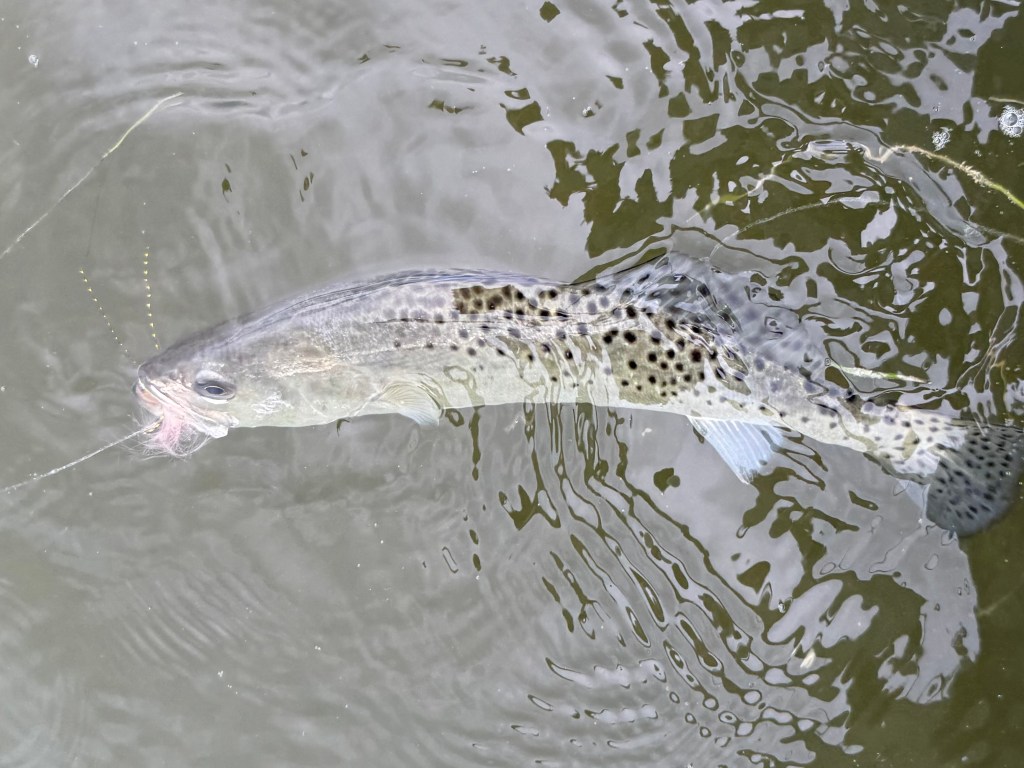
    Speckled Seatrout that took my fly.

    The low tide can bring spectacular birding as it did last week when baitfish and birds filled the runouts along one of the main channels. The flats were covered with winter waterbirds: White Pelicans, Black Skimmers, all the long-legged waders, Marbled Godwits, Short-billed Dowitchers, Wilson’s Plovers, and assorted “peeps”.

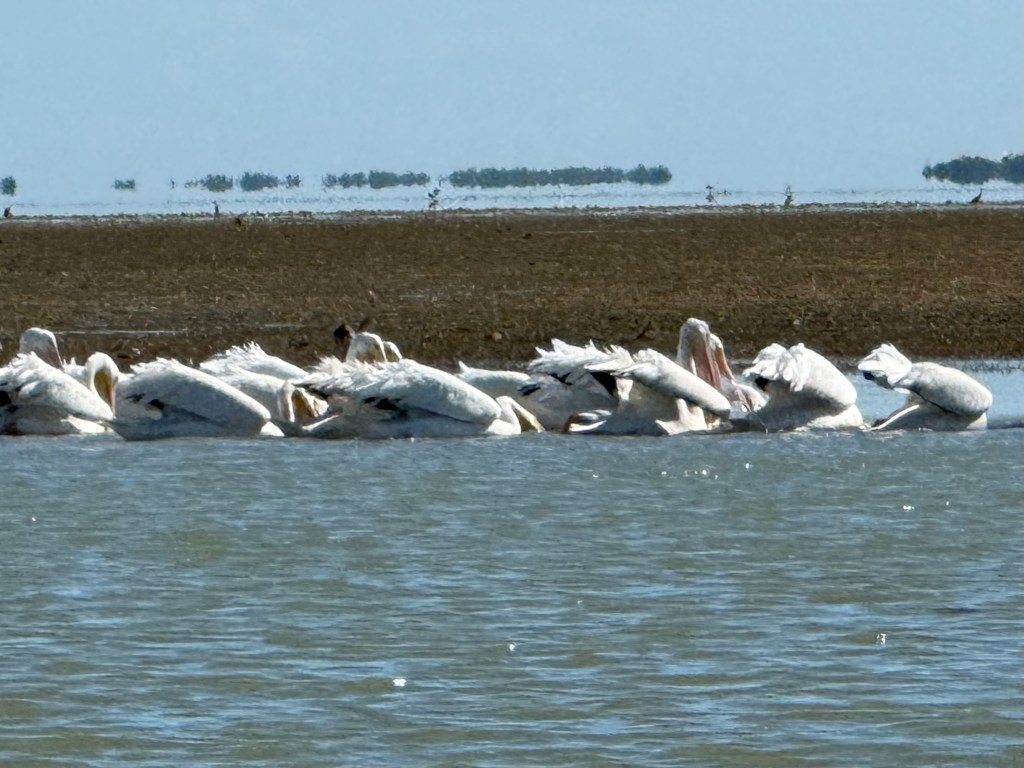
    White Pelicans fishing cooperatively for mullet.
    Black Skimmers leaving the flat as the tide rises.
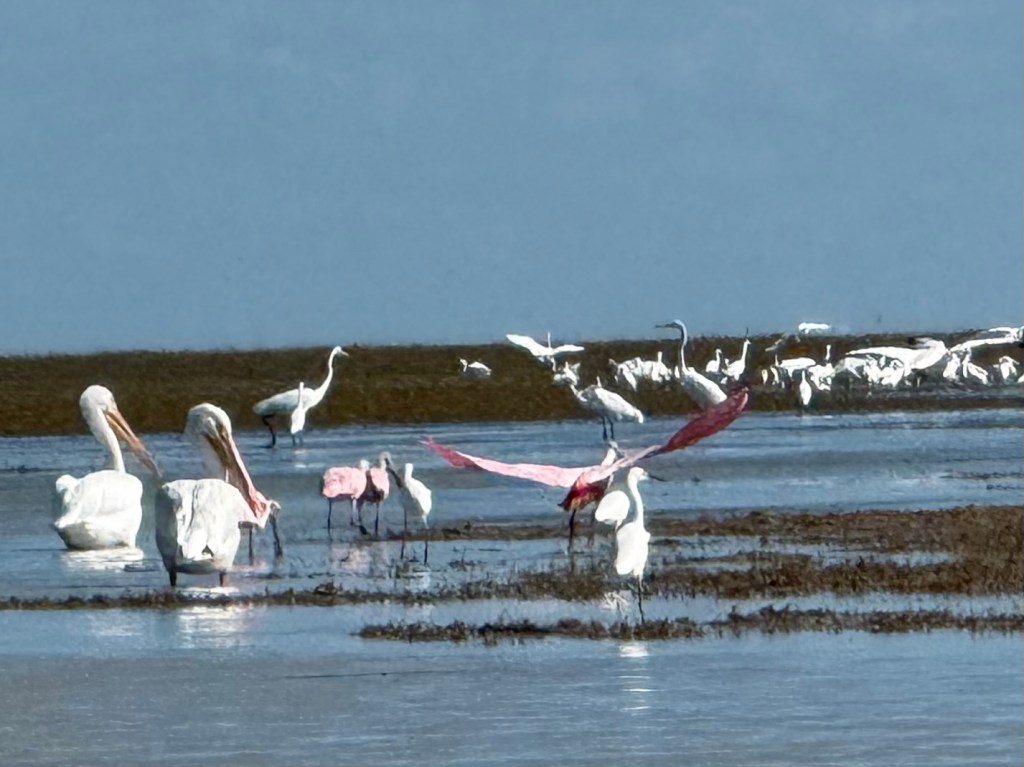
    White Pelicans, Great White Herons, Great Egrets, Roseate Spoonbills, Snowy Egrets, all fishing the shallow run-out at dead low tide.

    When the high tide pushes birds off the flats, some regroup on the highest shorelines, while others settle into the mangrove trees.

    Reddish Egret takes refuge from the high tide on a mangrove island.
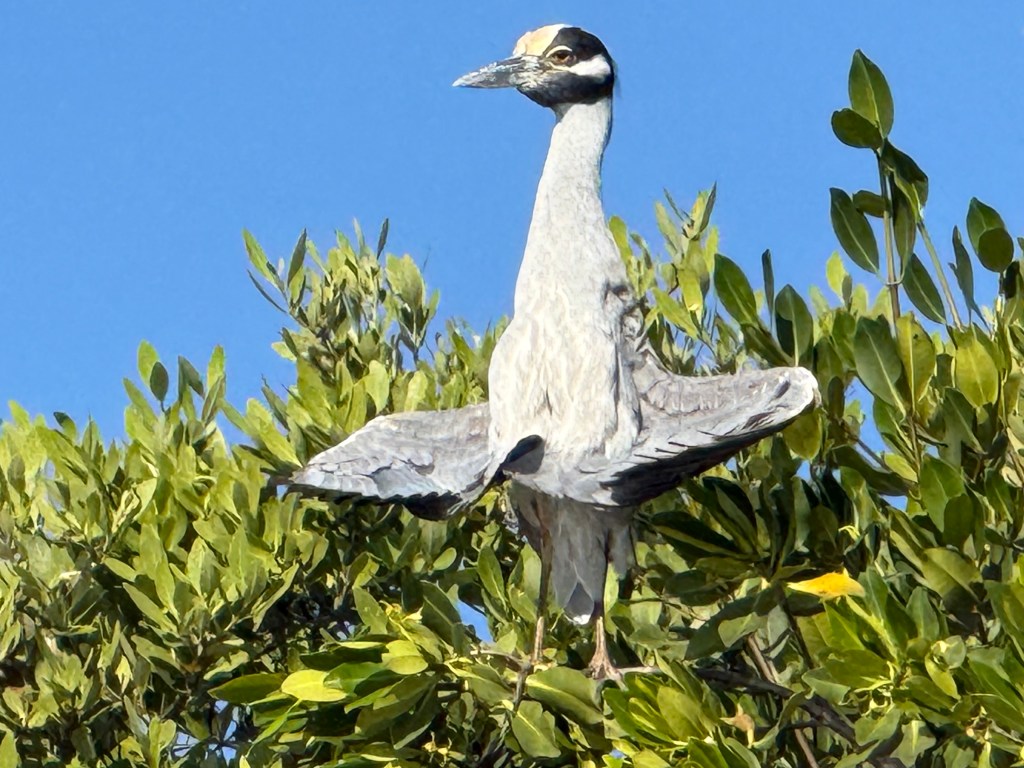
    Yellow-crowned Night heron practices the Angeli Mudra yoga pose.
    Roseate Spoonbill looks down to assess the water level while waiting for the tide to recede.
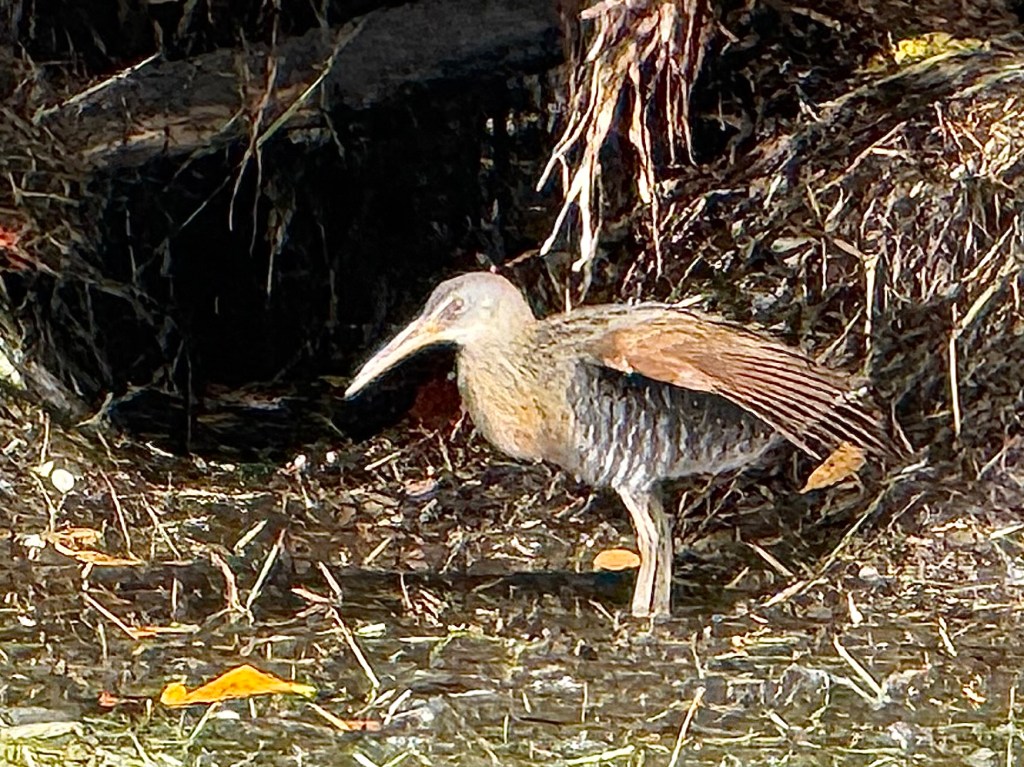
    A Mangrove Clapper Rail skulks through the matted seagrass caught in the mangrove roots.

    A couple of days prior, my friend Jay Levine had caught and released 30 Snook on fly in a channel and had zero shark hassles. But when I arrived, the water had rewarmed, the sharks were returning, and the Snook were making themselves scarce. I caught and released a couple of Snook safely but an unseen shark took the third one and I called it quits.

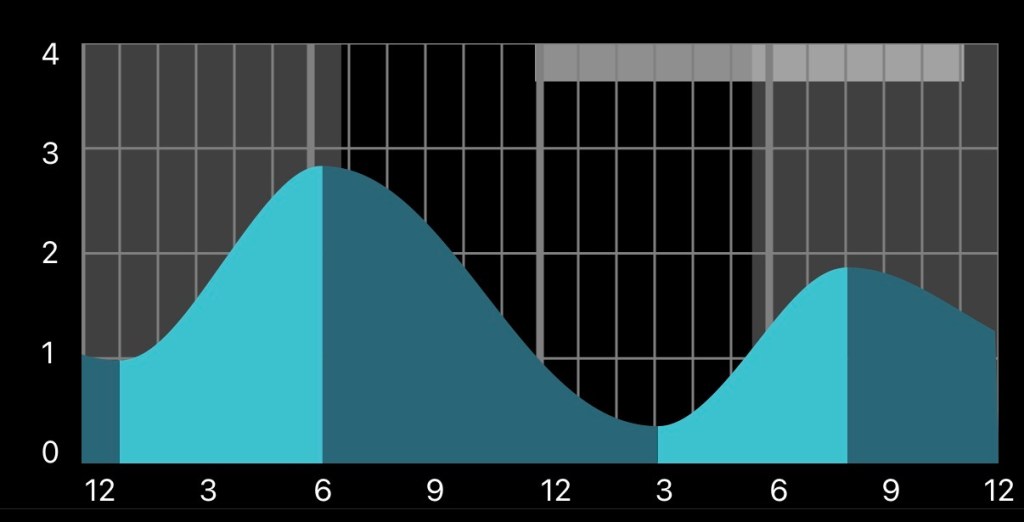
    Four days later, my fishing friend Jeremy Nawyn asked me to join him kayak fishing this same flat once again. At first I declined, but then I took a look at the tide chart: 

    Tide chart for Flamingo on 26 Nov 2025. The black band in the middle is daylight and the gray bar at the top is the moon. The tide on the flat we are fishing is delayed by an hour. It will fall for eight hours, from 7:45 am until 4 pm .

    I normally fish this flat by motorized skiff because it’s so exhausting to exit by kayak. If you fish the rising tide (safest) you must paddle back against the fast incoming tidal current to escape, but a long falling tide like this one is a virtual water taxi service. As a lagniappe, the wind would be at our backs coming out. I texted Jeremy that the tide chart had changed my mind. I was in.

    Jeremy’s proposal was to head out in the dark before dawn and ride the incoming tide up a narrow unmarked channel on the edge of the flat, then ride the outgoing tide back toward the marina with the wind at our backs. We faced little risk of getting stranded if we stayed in or near the narrow channel, and would not have to fight the tides or winds to escape.

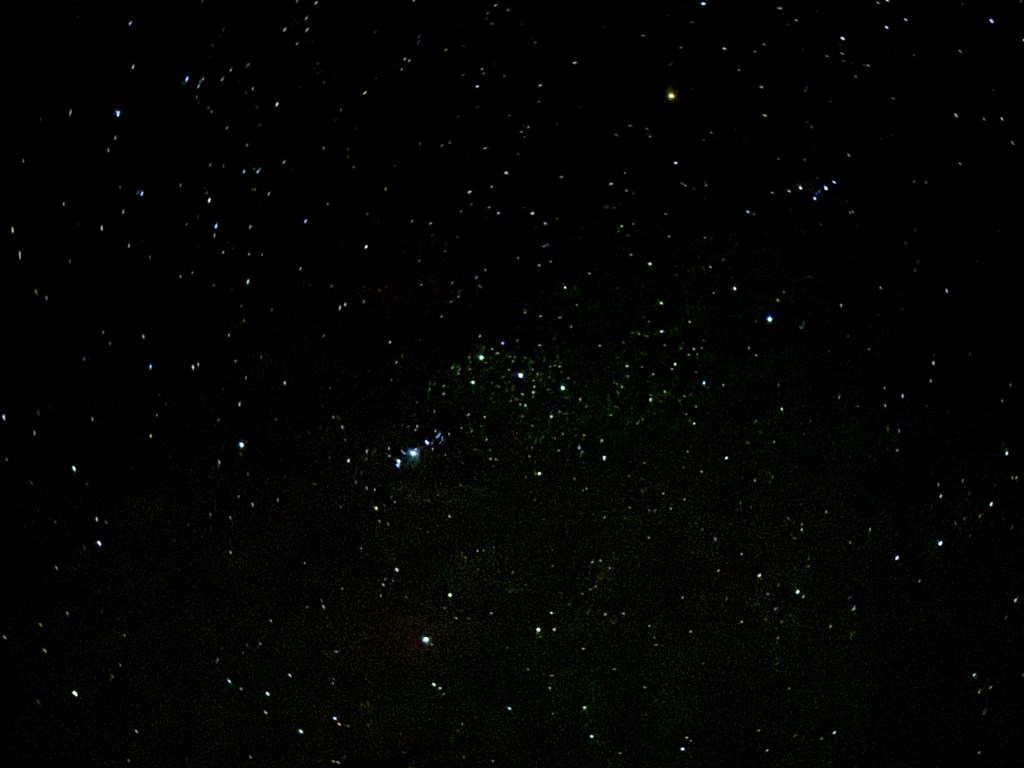
    I arrived early to enjoy the starry moonless sky.

    Orion.

    I rigged my kayak while the resident Barred Owl hooted:“Who cooks for you? Who cooks for you-all?”

    Jeremy arrived at 5:30 am with his kayak mostly rigged in the back of his pickup truck. We were on the water by 5:45 am, 70 minutes before sunrise.

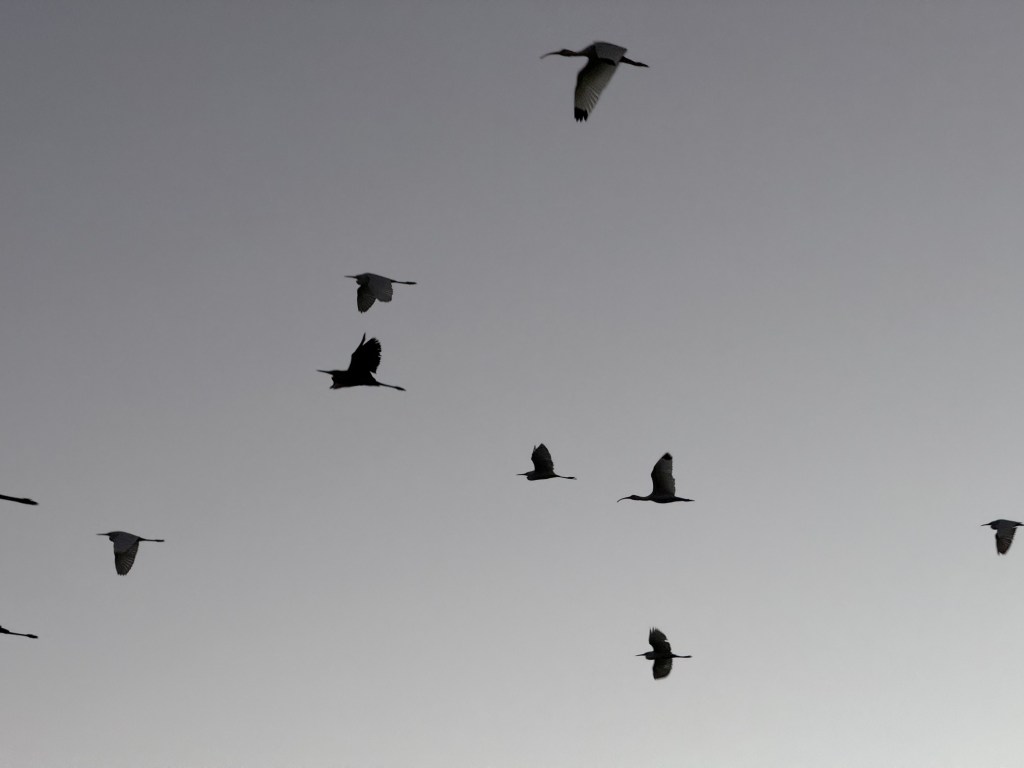
    Great Egrets and White Ibis leaving their roosts. White birds look black in the pre-dawn light.
    Jeremy in the lead. One of his teenage kids sometimes joins us, but not if we’re going out this early.

    Our fishing strategy was to paddle the narrow channel and cast toward the mangrove roots on shore where the predatory fish typically forage for crabs and small fish when the tide is up.

    I hooked a nice Snook near the mangroves then pedaled my kayak hellbent-for-leather onto the shallow flat, grounding the Hobie’s pedal flippers on the mud before stopping to work the fish to my landing net for a quick measurement and release.

    Phil with Snook in shallow water. Photo by Jeremy Nawyn

    Grounding the kayak on the flat might seem like an odd thing to do on purpose, but it prevents unseen sharks from popping up from below and grabbing the fish on my line. A Snook or Redfish hides handily in a foot of water, but a Lemon Shark or Bull Shark is conspicuous. If a shark comes for my fish in super-skinny water, I can see its approach, open the reel, and let the fish run. My trick worked this morning with a handsome Snook and a chunky Redfish.

    Snook, 24″.
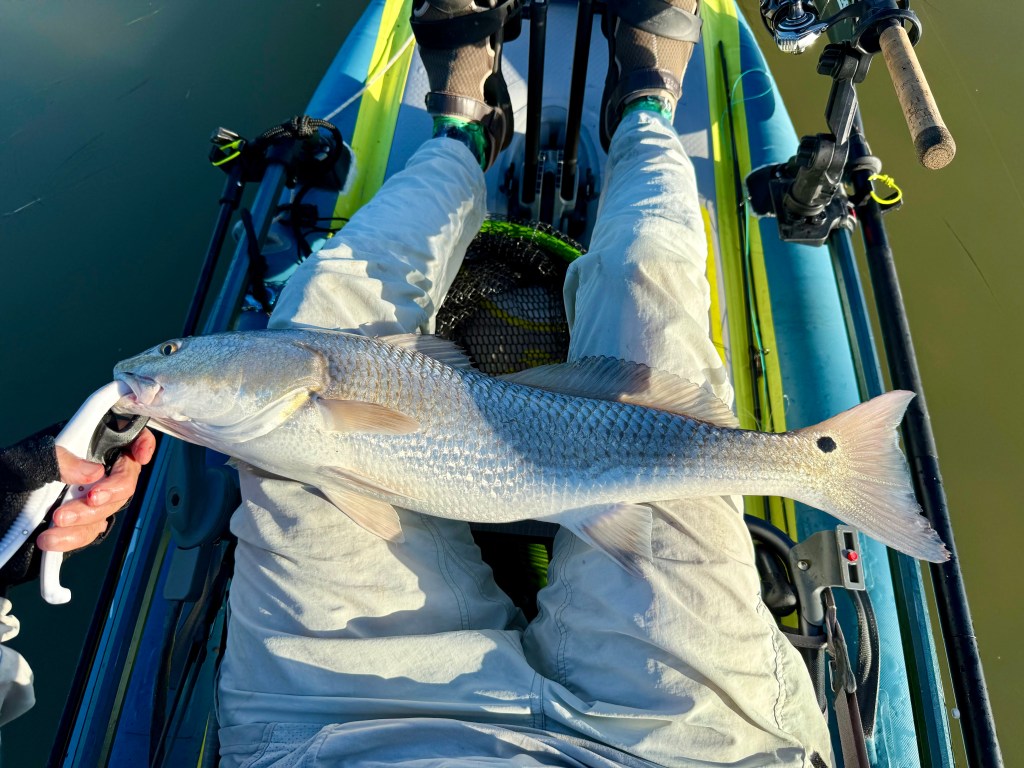
    Redfish, 24.5″

    A Lemon Shark circled my kayak looking for my redfish as I hefted it in my landing net from one side of the kayak to the other. 

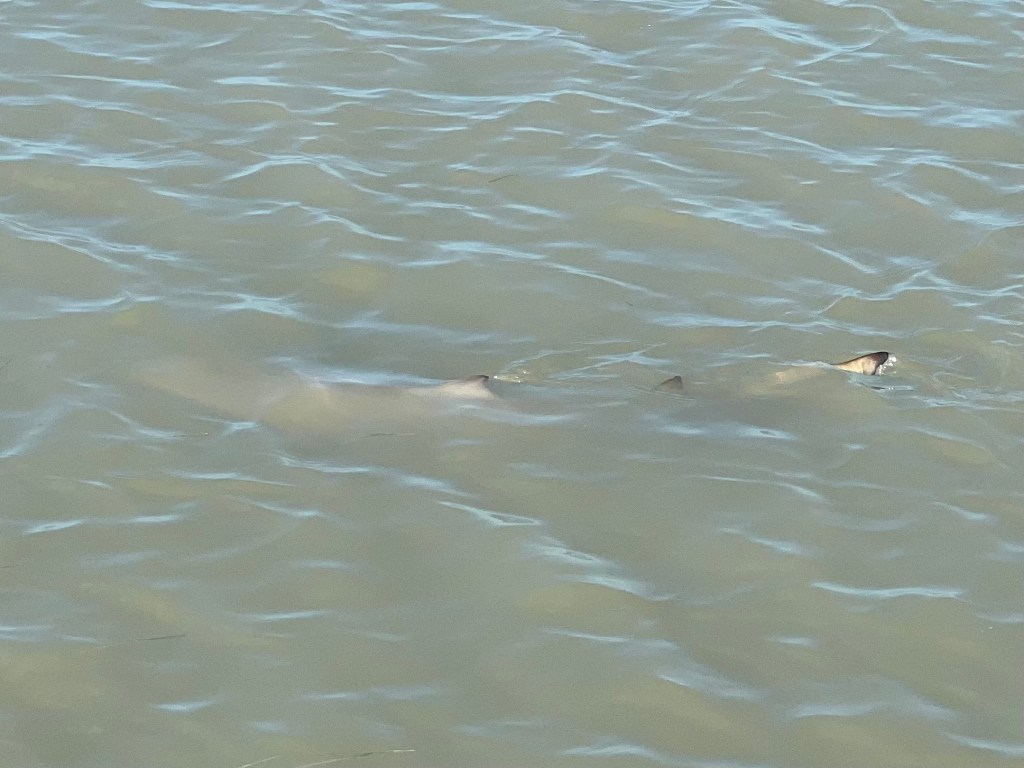
    Pesky Lemon Shark circling the kayak.

    Enough already. I pedaled the kayak right at the shark to chase it away. 

    Typical of this flat, the water was opaque with sediment. One could only make out detail in the top 6”, which made it hard to spot fish. At the farthest extent of the tiny channel, a three-foot tarpon swam under my kayak, which I only saw because the water was just a foot deep… and dropping. Time to turn around.

    I stopped in at a favorite cove on the way back, wherein I often find Snook and Tarpon. A four foot Lemon Shark had gotten in ahead of me and was working over the cove, chasing all the fish up the mangrove creek – definitely time to head back. As cool as they are to see up close, I don’t want sharks hanging around my boat jonesing for my fish. Lemon Sharks at Flamingo have bitten the hands of several fishermen in the past couple of years and even dragged one careless lad overboard and into the water (YouTube video).

    I paused to watch eight Ospreys circle a mullet school, diving in succession, snatching hapless fish, and landing in the trees on shore to enjoy a sashimi breakfast.

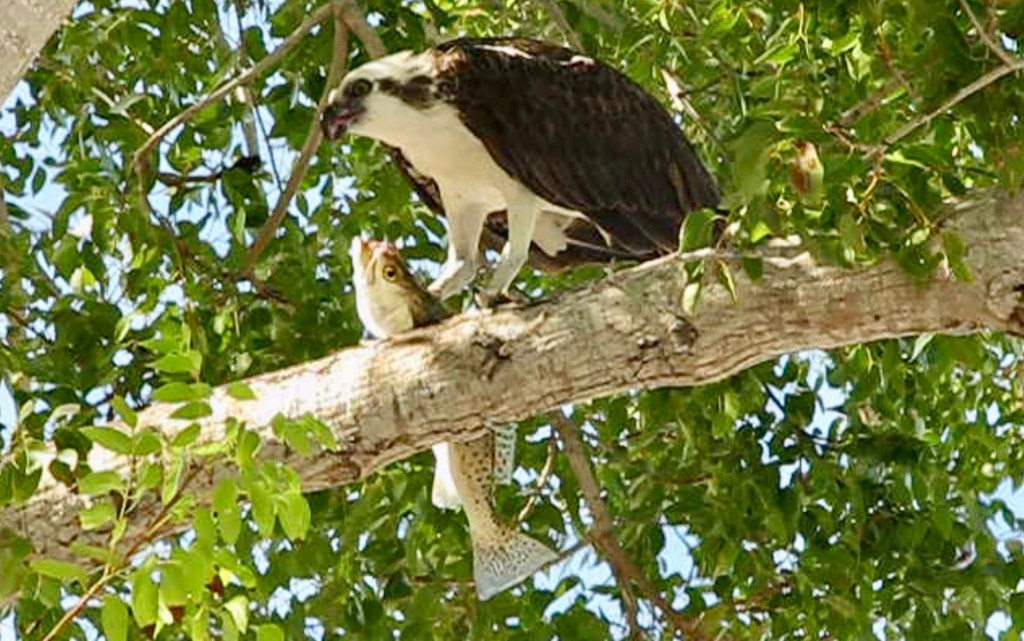
    This lucky Osprey caught a yummy seatrout.

    Full of fresh fish, the Ospreys set about collecting soft material to line their stick nests. Some carried clumps of dead seagrass in their feet.

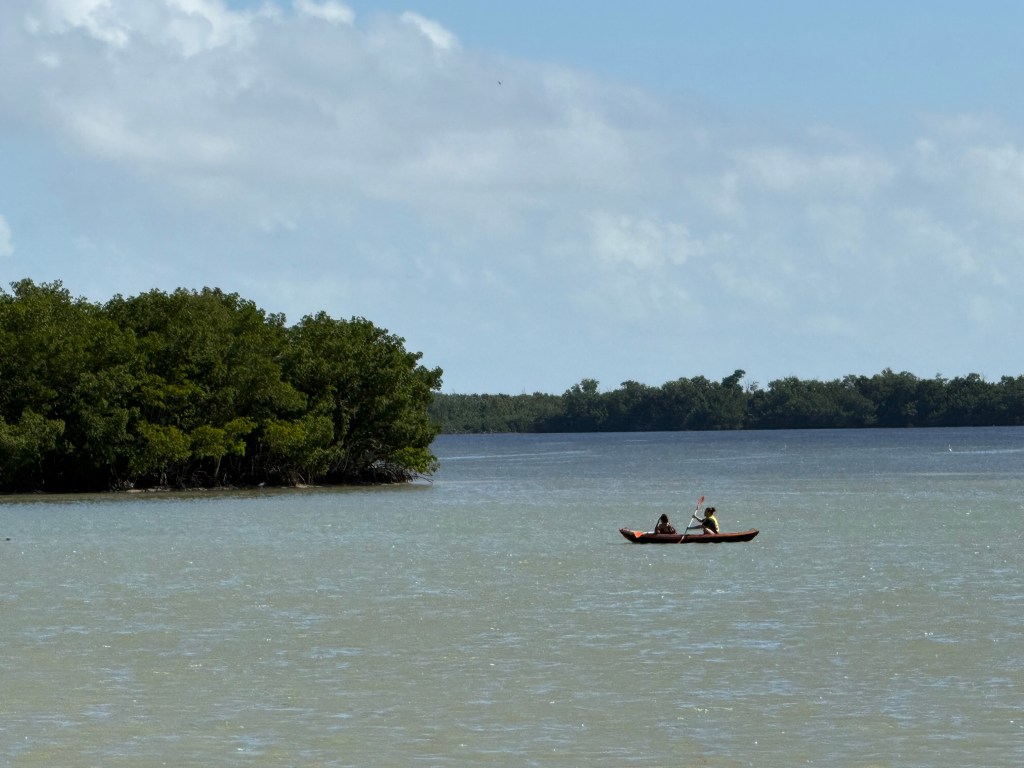
    On our way back to the marina, I spotted a young couple in an inflatable kayak paddling the opposite direction, heading toward the heart of the flat. Unless they knew what they were doing, they stood to get stranded in about 20 minutes and stuck there for the next 5 hours. Seeing neither fishing gear nor binoculars, I took them for tourists. I paddled over and asked whether they came here often. “First time” responded the young man in a British accent.

    I explained about the tides and the mud, and pointed them toward a channel marker. If they paddled directly to that marker they could spend all day watching birds, sea turtles, and marine mammals from the main channel without getting stranded.

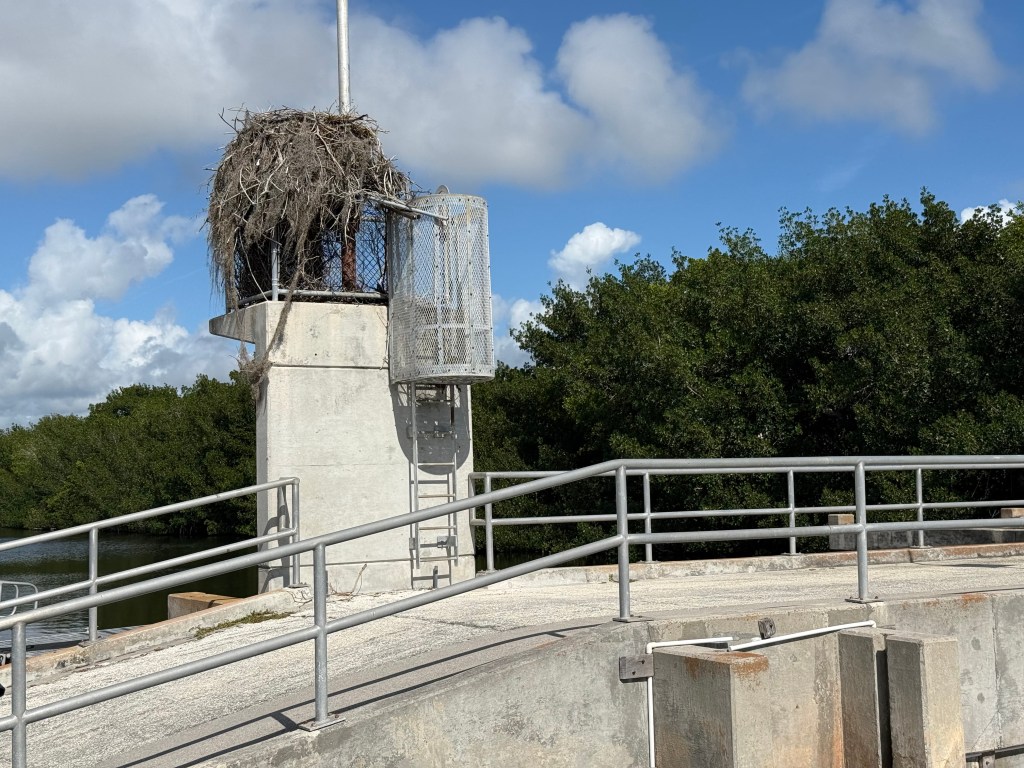
    As I packed my gear in the car, I watched another Osprey pair skimming the West Indian Mahogany trees to collect Spanish moss for their bulky nest on the water control lock that separates the Buttonwood Canal from Florida Bay. 

    Lock Moss Nesters

    I ate my lunch while overlooking Florida Bay from the refurbished visitor center. In addition to the wildlife viewing it’s entertaining to watch international visitors enjoying this National Park in their own ways.

    Keeping up with Instagram is priority anywhere you go.
    More my style.

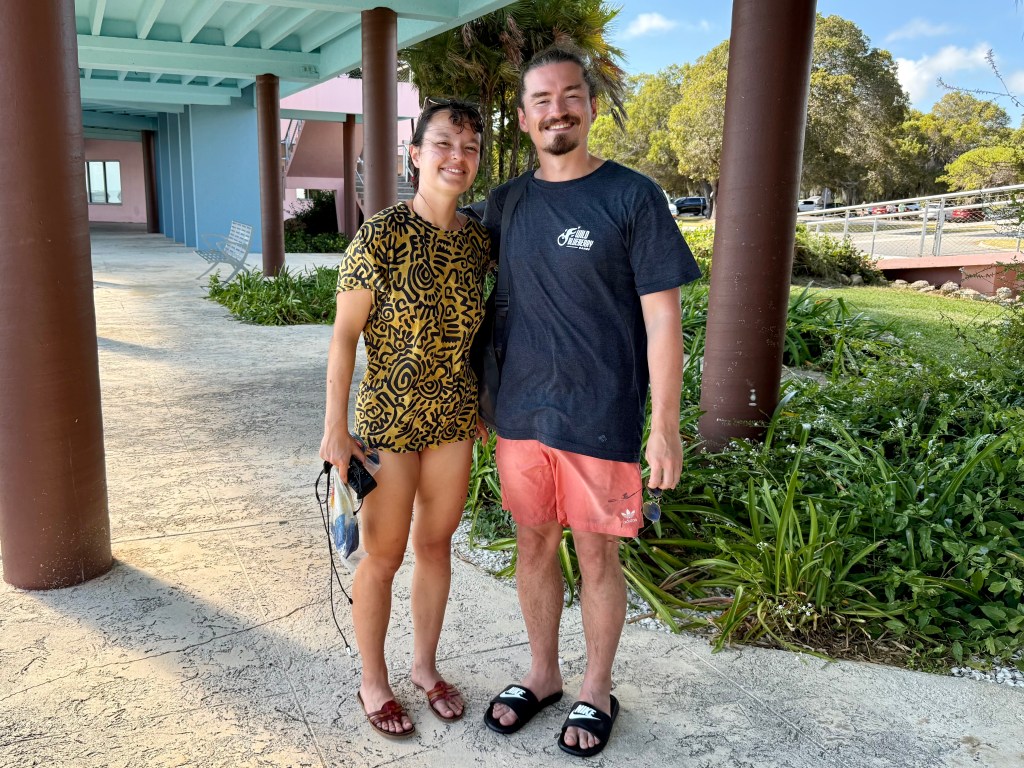
    Hey, that’s the same couple in the kayak I saw earlier, now returning from the flats. They pulled their boat ashore and stopped by to say “hi”.

    Caroline from Strasbourg and Jason from London.

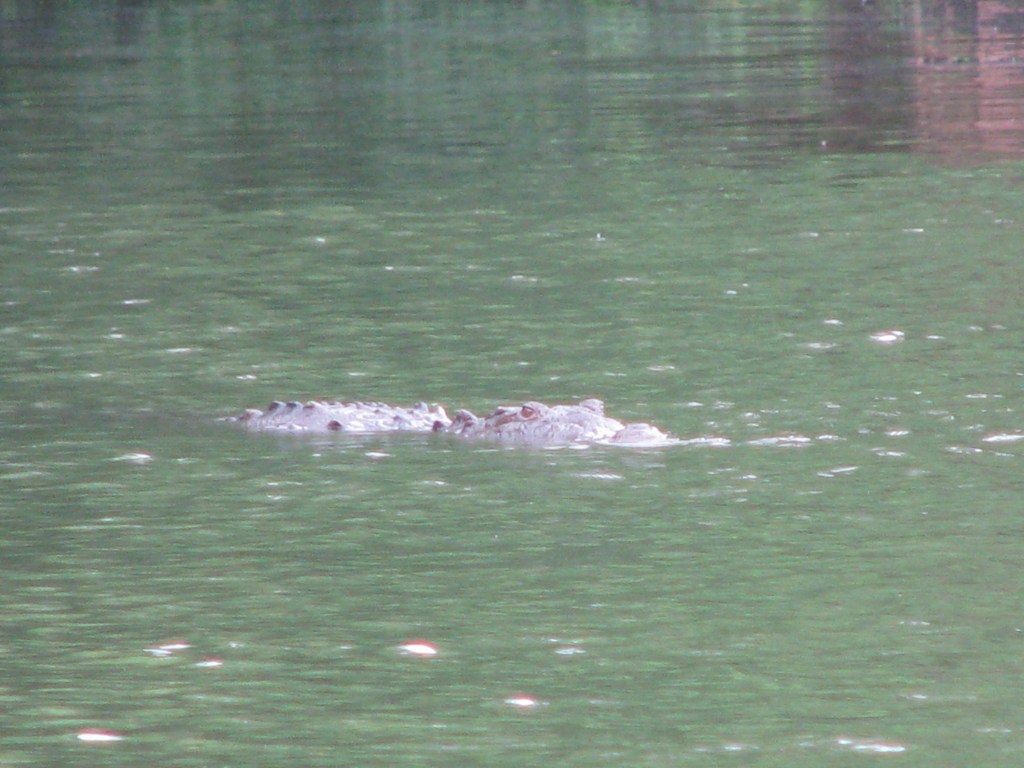
    They had decided to head back in after a large American Crocodile surfaced in the channel next to their inflatable kayak.

    My photo, not theirs, but you can see why they might have felt unsafe in an inflatable kayak.

    Until recently, I’d have told them not to worry about the normally docile American Crocodile, but last summer an experienced fly fisherman told me of a large croc at Flamingo that went airborne in its best attempt to take him off the deck of his skiff.

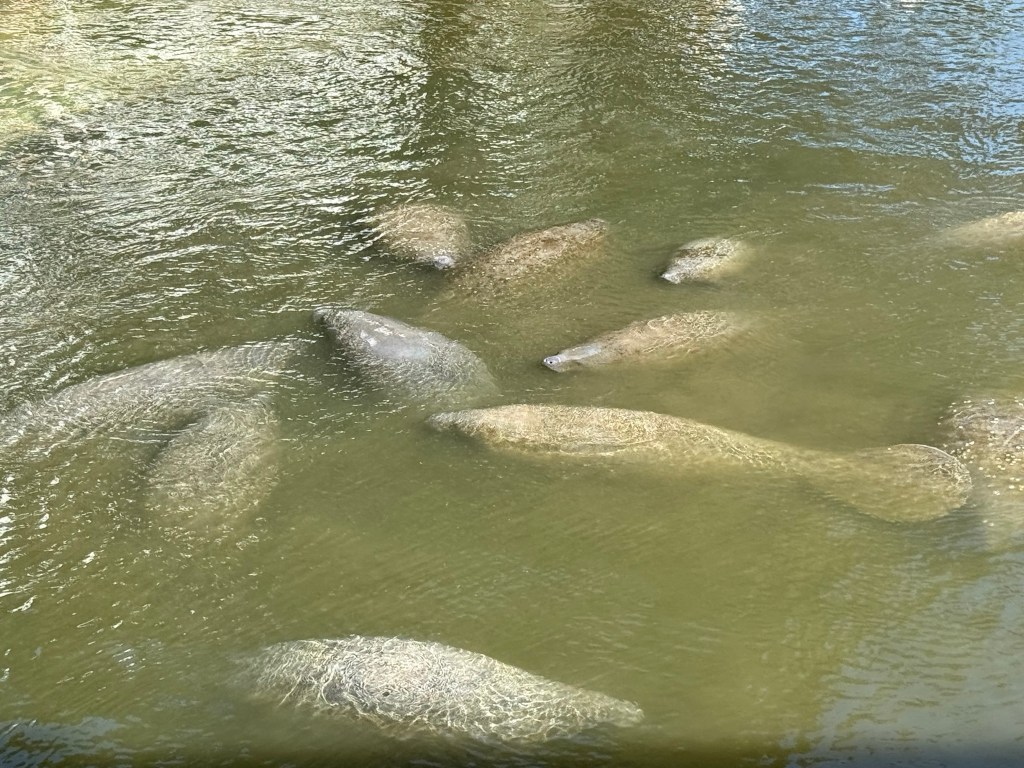
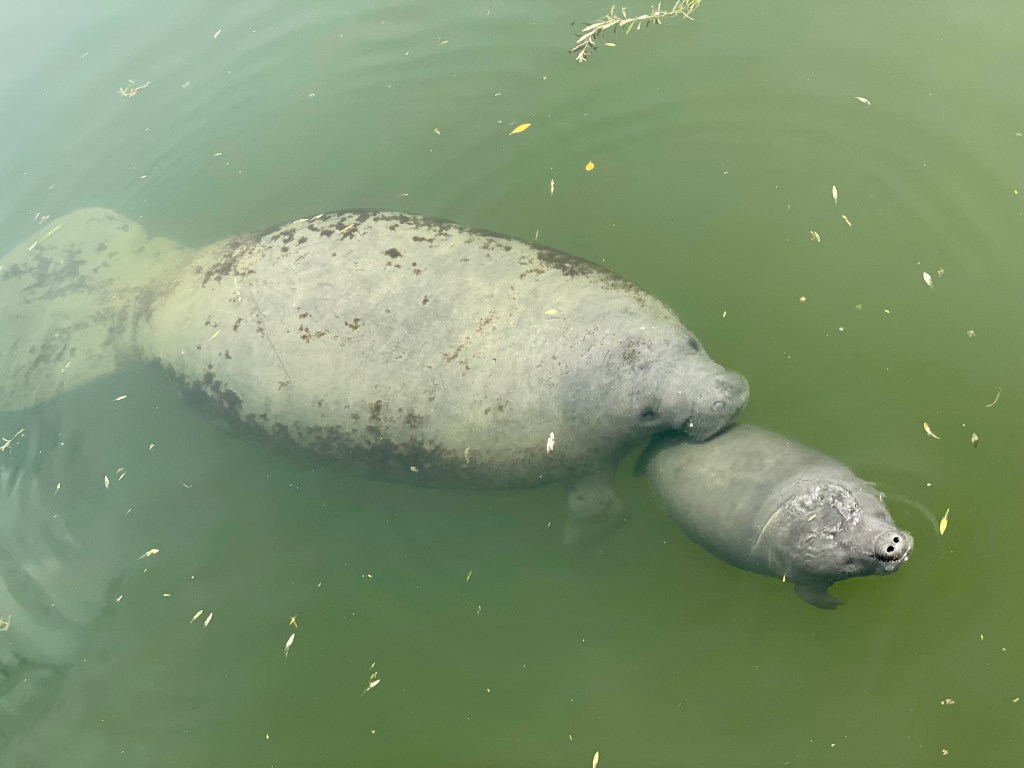
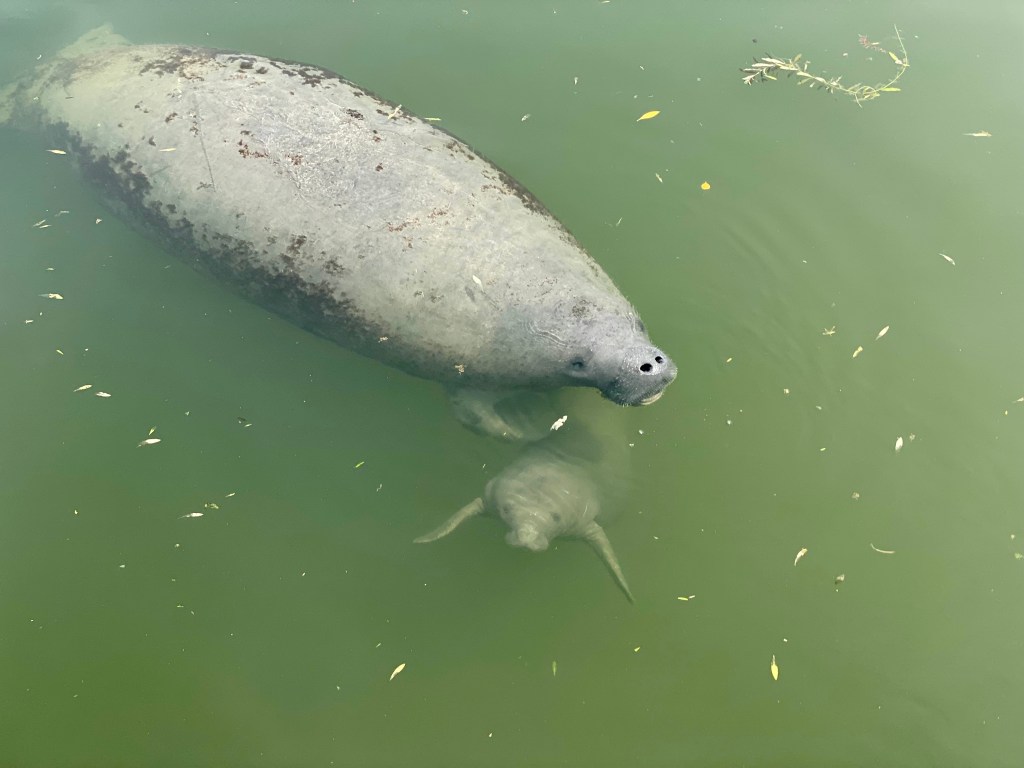
    I took Caroline and Jason over to the marina to admire the assembly of mother and baby manatees.

    Too cute.

    * * *

    Pandora’s Flats

    A couple of months back, I promised to write an essay about why you shouldn’t fish at Flamingo. The dense mosquito swarms are sufficient reason for normal people to stay away nine months of the year. Risk of stranding on the flats while exposed to sun and lightning should give pause to any sane person. We recently acquired the man-made problem of habituated sharks and crocodiles popping up at random from the opaque water below – recreational fishing boats have trained them well. If you just wanted to fish, you might find an equally productive area with fewer ancillary hazards.

    American Crocodile. Note the skinny snoot, Roman nose, and 4th tooth on the bottom that sticks up.

    All of these risks have proven insufficient to keep a certain zoologist away. The combination of birds, fish, and scenery will keep me coming back as long as my health and the rising seas allow.

  • The Bait and Switch

    The Bait and Switch

    I did not get into fishing at the age of 12 to meet girls. I was enchanted by the fish.

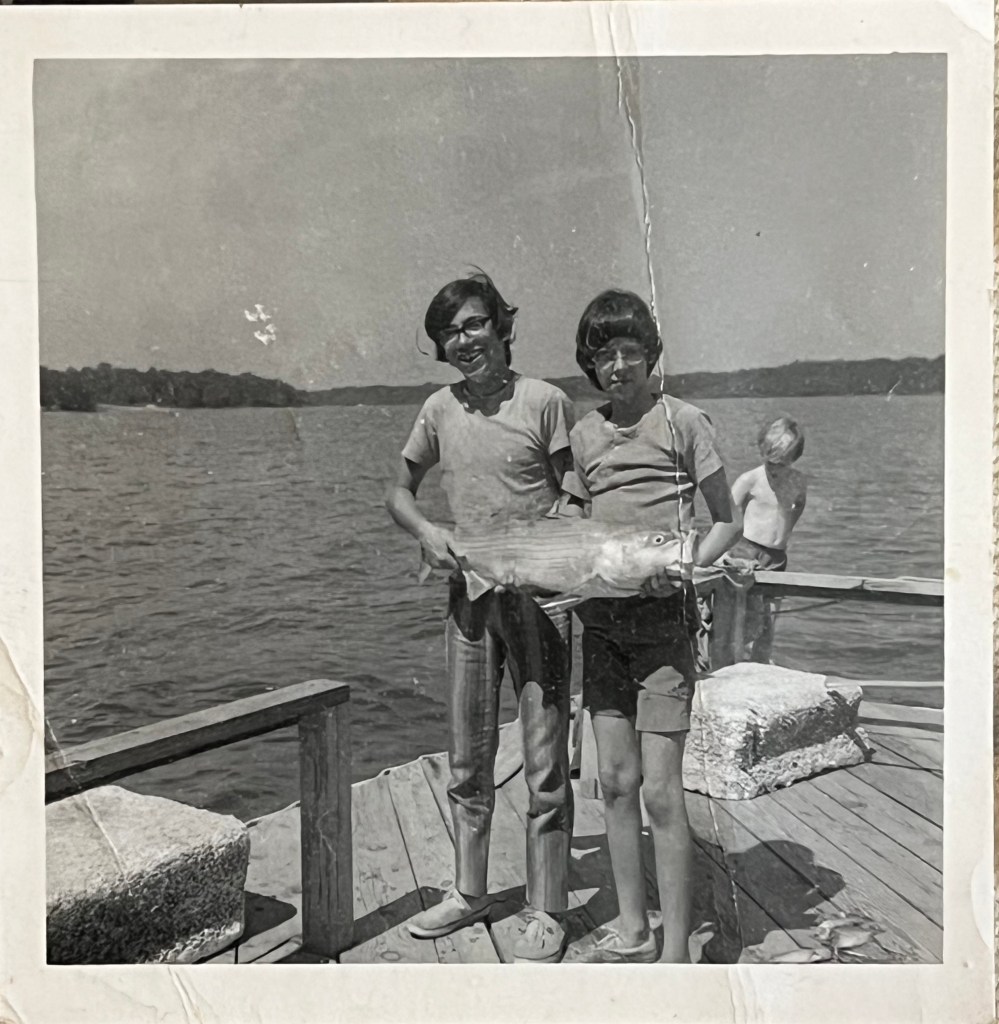
    Chuck Sheperdson and me, with my brother Andrew in the back, August 1969, Lake Kerr, NC.

    Still, my early teen fishing obsession was quickened by an outdoor magazine article about wade-fishing for Jack Crevalle in Miami.

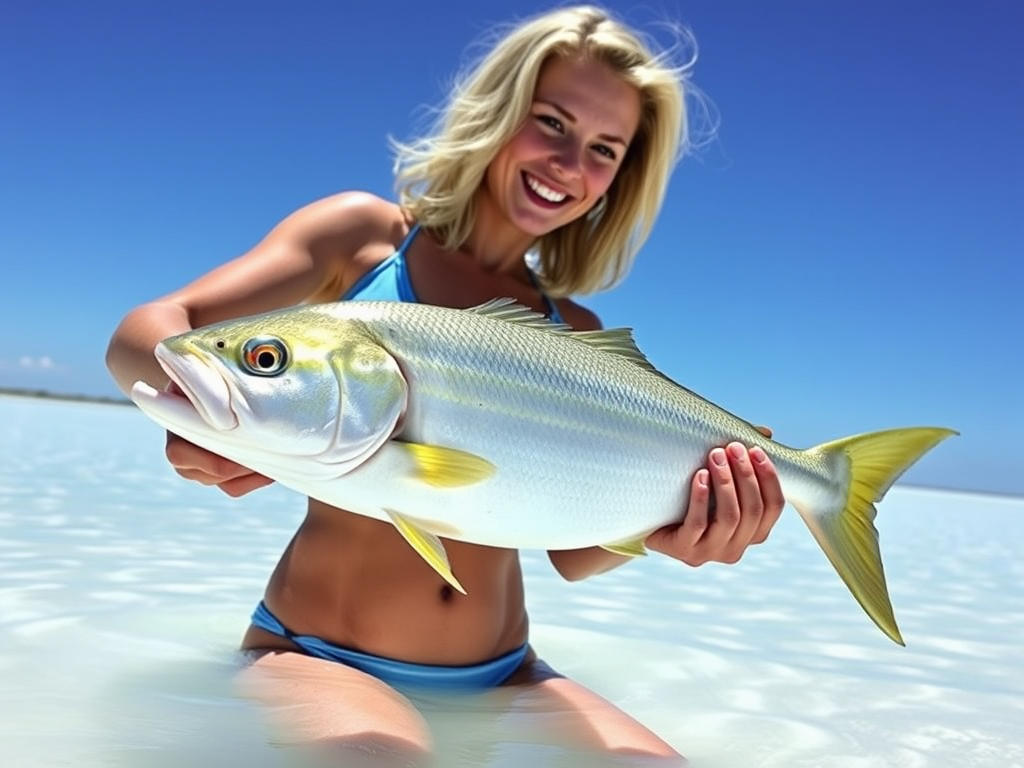
    The story featured color photos a pretty blond woman in a bikini wielding a spinning rod, waist-deep on the flats at Key Biscayne. The next photos showed her holding up good-sized Jack Crevalle that she’d caught. Pretty fish, pretty girl. Gorsh!

    Half a century later I remember those photos like they were yesterday. But in my early teens, the blue and green sea grass flats of Key Biscayne were a thousand miles away, while birds were diverse and abundant close to home. I switched from fishing to birding, a somewhat less male-biased activity, but only somewhat. The fields of ornithology and recreational birding are now, thankfully, well-mixed flocks, while fishing remains entirely too much a boy’s club. Even as a birder, it became clear that other social graces would have to be cultivated if I didn’t aspire to be a hermit.

    * * *

    In researching this post, I tried to find the original article so I could show you the photos that made such an impression. I checked the archives of Field and Stream Magazine from 1969 to 1974 with no luck. The story must have been in Outdoor Life Magazine, which I could not find archived from those years. 

    Could AI re-create the images? I haven’t tried AI image generation yet, so I figured I’d give it a go.

    I asked ChatGPT to create an image of a young woman with blond hair below her shoulders, standing waist-deep on a tropical salt flat, wearing a light blue bikini, and holding up a glistening Jack Crevalle about 20” long. ChatGPT responded that it does NOT make images of women in bikinis, with the implication that I should go take a cold shower and behave myself. The AI engine in WordPress, on the other hand, actually offered to help me produce such an image.

    Pretty close. The woman has shoulder-length hair, and is sitting, not standing as I’d described. For no discernible reason, the AI engine could not convincer her to stand up. The fish is very handsome, if somewhat plastic-looking. It even has the requisite yellow fins but it’s shaped like an Amberjack, not a Jack Crevalle. I’d call it an AI Hallucination Jack. The AI-generated lass is holding this invention the way you’d hold a plastic fish that had no interest in escaping or capacity to do so. A live jack doesn’t stop fighting when you land it so, so you’d best hang on tight to the skinny part near the tail (the caudal peduncle).

    This is a Jack Crevalle, one that I caught recently in Jupiter Sound, onboard the boat of former student turned fishing guide Mike Haines. Note the secure grip for a quick photo prior to launching it head-first back into the water.

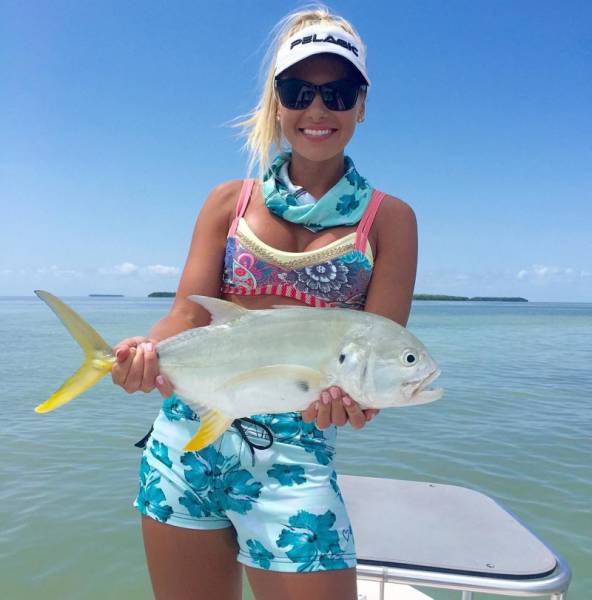
    Google is not so modest as ChatGPT and found half a dozen images that matched my description, though not the ones from the article in the early 1970s. From their genuine grins and their practiced grips on the fish, most of these young women appear to have caught their fine jacks themselves – congratulations!

    Pretty blond fisherwoman with the proper grip for catch-and-release of an equally pretty Jack Crevalle.

    My wife Gray advised me to limit the number of sexy fish photos in this post, so I just kept the one closest to the original. Still, even today, the ratio of online photos of men versus women holding Jack Crevalle is about 50 to 1.

    Since I moved to Miami 33 years ago, I’ve spent plenty of time on the flats around Key Biscayne and I have yet to see a woman do anything serious with a fishing rod. The famously gorgeous women of Miami are abundant on the beaches, picnicking, reading, sunbathing, taking selfies, even bird-watching. They can be seen doing all manner of things in the water – except fishing. When I wander past them, covered head-to-toe in SPF-50 outdoor clothing, as per the dermatologist’s orders, I look and feel like a different species. When I say “hi” to women I know, they are surprised to hear a familiar voice emanating from under the layers: “Oh, Mayor Stoddard! I didn’t recognize you! Can you join us for lunch?”

    The implication of that article from around 1971, that a fellow might be joined by pretty girls while wade-fishing the flats at Key Biscayne, fits the very definition of a bait-and-switch. Other social graces are still required.

  • Jimmy Carter

    Carter was both my favorite president and my favorite former president.

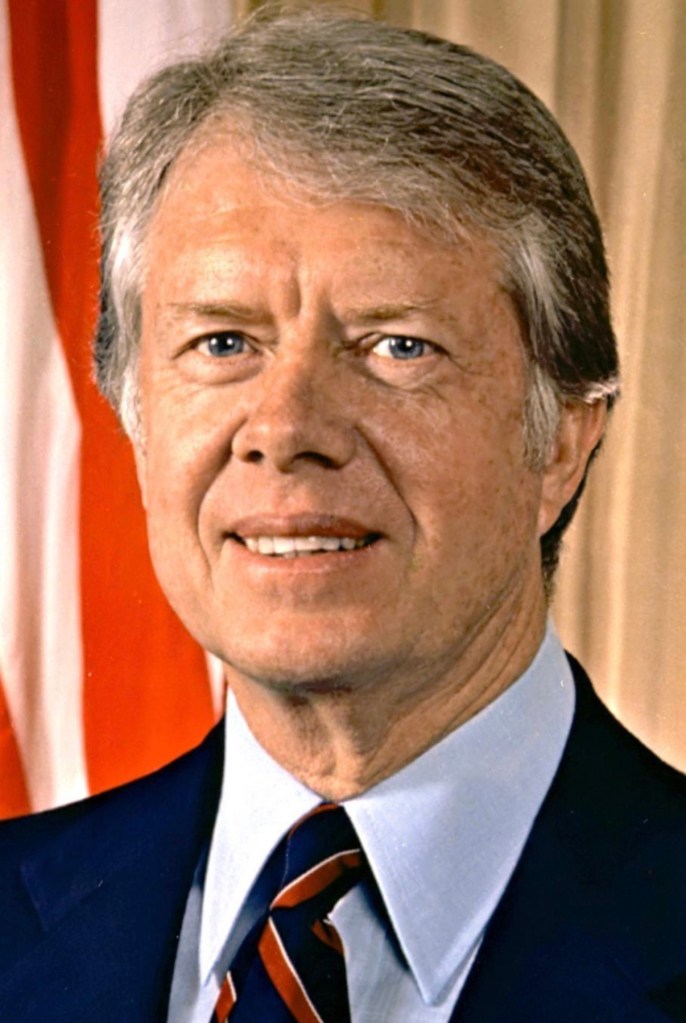
    James Earl Carter, Jr., 1924-2024, 39th President of the United States

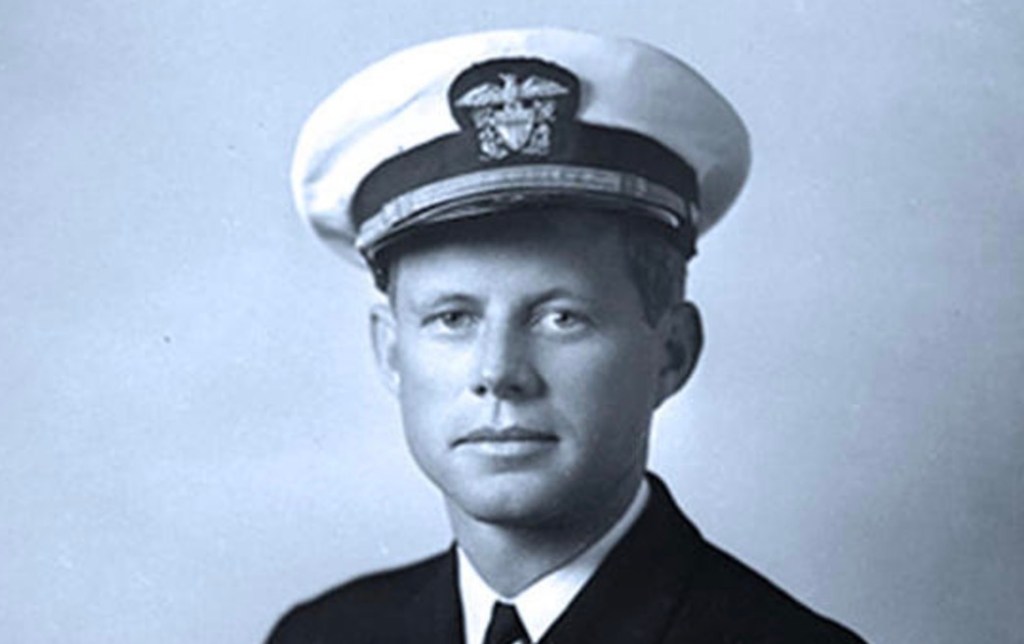
    Carter had served in the US Navy as a nuclear submarine officer and engineer. He not only knew how to operate nuclear subs, he knew how to repair them and their complex electronics.

    During his initial security briefing after being elected president, Carter greatly impressed the briefing staff with the insights in his questions and his ability to absorb and integrate complex information. My father told me that the Naval intelligence community considered Carter the smartest politician they had ever briefed.

    President Carter emphasized human rights as a guiding principle in American foreign policy. Critics said we should be more instrumental in our policy, but Carter’s stubborn implementation of his Christian values made me proud to be an American.

    Only when Carter was four decades out of office did it dawn on me how much inspiration I had drawn from his exemplary public service.

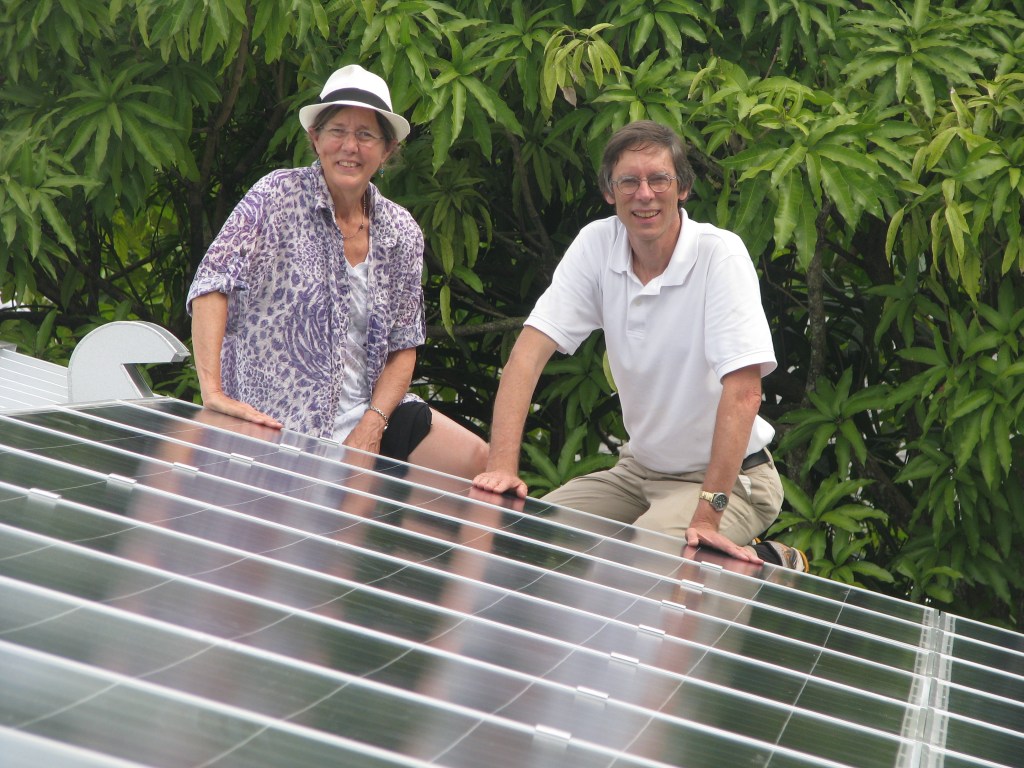
    President Carter installed solar panels on the White House. As a teenager at the time, that REALLY impressed me. I dreamed that someday I would be able to do the same.

    You can also explore my solar blog, SomiSolar.com where I explain solar home economics and how to run a house with solar + batteries when the grid is down.

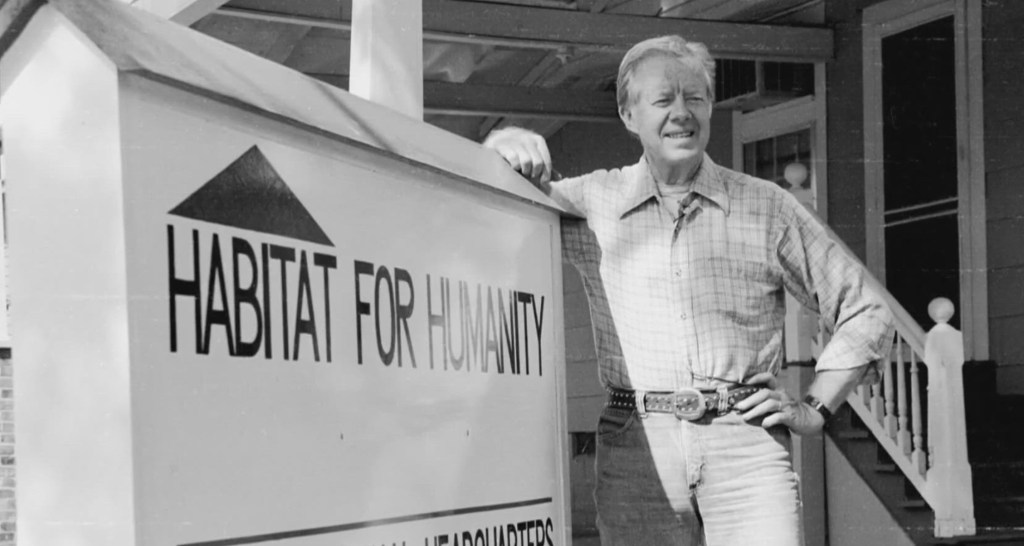
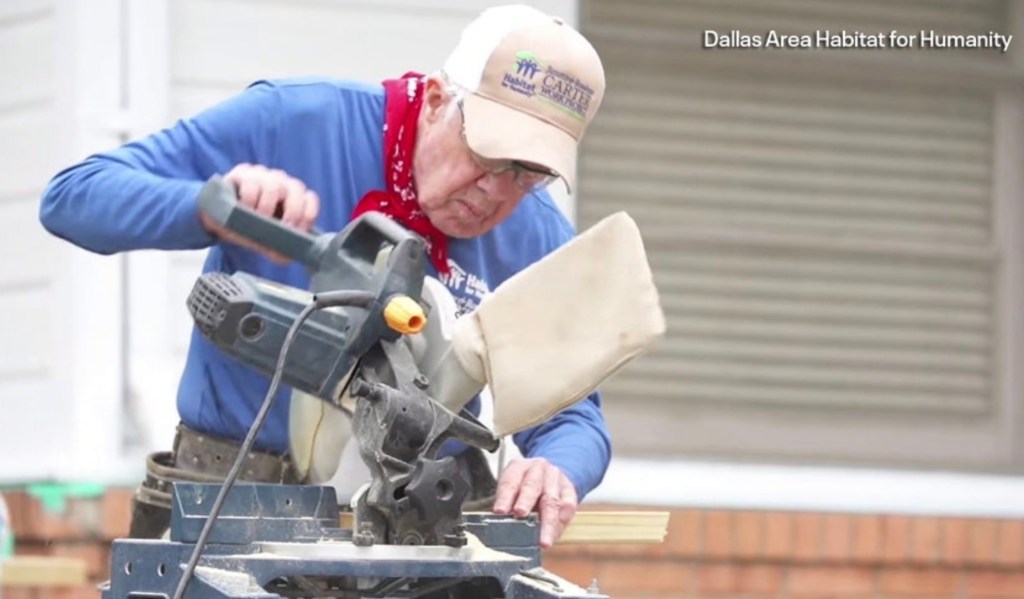
    Jimmy and Roselyn Carter were big supporters of affordable housing and worked closely with Habitat for Humanity for many years after leaving the White House.

    One frequently saw photos of them helping to build and refurbish houses for low income families. 

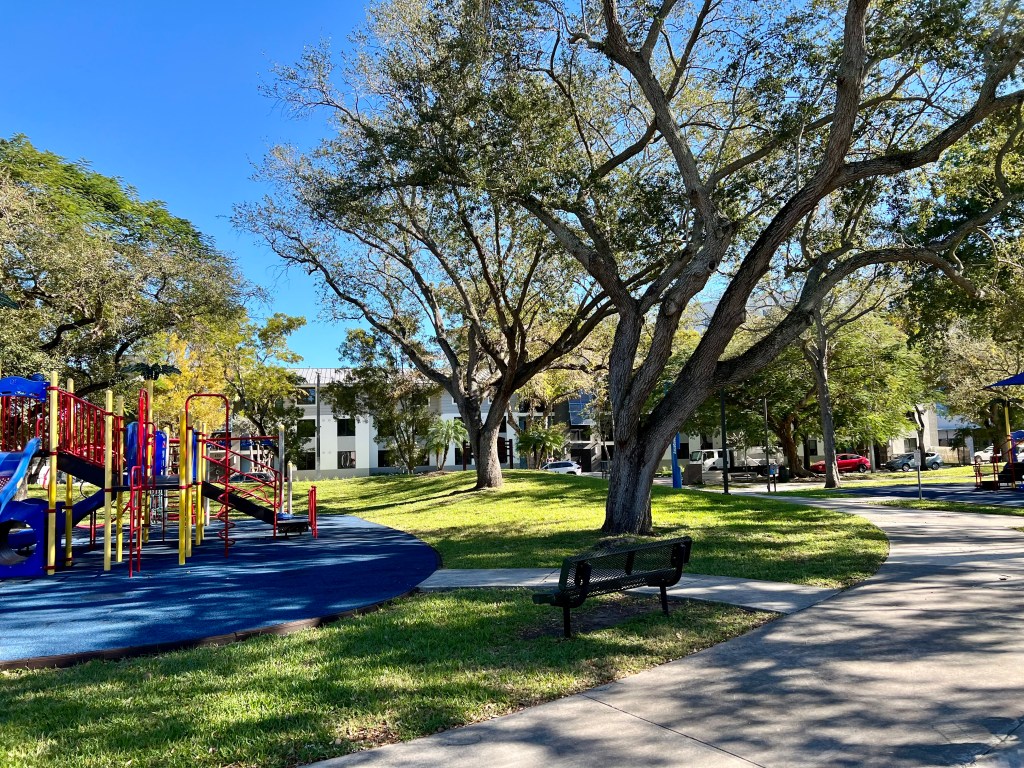
    Inspired by the Carters’ commitment to affordable housing, I agreed to serve an extra, 5th term as mayor of South Miami so I could lock in the zoning approval and funding for two major affordable housing projects, both of which were completed after I left office. Here’s one of them:

    SOMI Parc, South Miami

    After leaving office Carter championed democracy and protected election integrity throughout the world.

    I am writing this remembrance in a quiet moment as I volunteer as a poll observer, something I have done for the past two decades.

    For my non-Miami resident friends, 305 is our area code and thus greater Miami is often referred to as “The 305”. This year, two friends and I started an organization, We the People of 305, to coordinate events supporting democracy in greater Miami. You can check out our Pro-Democracy Events Calendar at wtp305.org/events. We will make our software available if you or someone you know wants to host your own local events calendar.

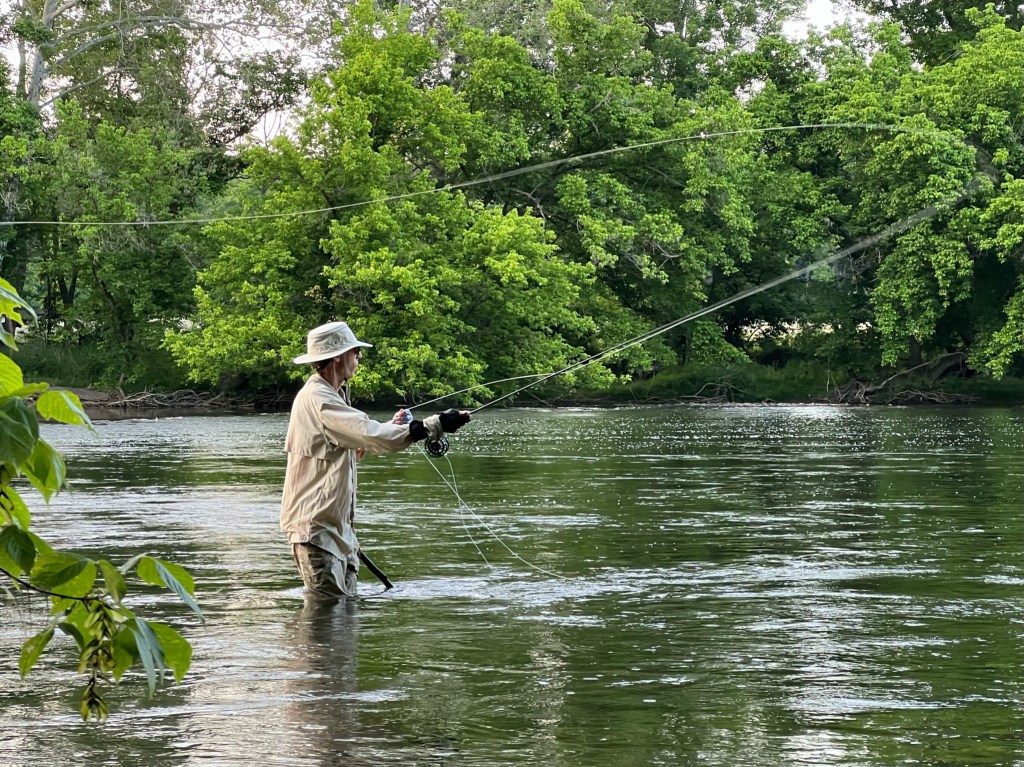
    During his presidency, the Carters would slip out the back door at Camp David to evade the press, whereupon the Secret Service would whisk them up to the clear mountain streams of central Pennsylvania where they would unwind by fly fishing for trout.

    As Carter was leaving office, a reporter asked the President what he would do next. Carter replied: “I’m going to become a really good fly fisherman.”

    Not there yet, but I’m working on it.

    © Philip Stoddard

  • mystery of the day, and a hint

    Powering artificial intelligence might involve constructing a fleet of new nuclear reactors, yet natural intelligence runs handily on organic farm waste, such as tofu and kale.

    If powering Nvidia chips to make fake videos is that important, nuclear power is still the most expensive way to add power to the electric grid, while renewables, wind and solar/battery, are the cheapest.

    The push to build more old-style nuclear reactors suggests that AI and data companies have made so much money from their stratospheric stock valuations that they and everyone around them are willing to waste it.

    Seems like a sign, and I am hardly alone in thinking so. Here, I believe, is a hint to how this mystery might resolve.

    Remember Michael Burry and Scion Asset Management from the film “The Big Short”? Scion is betting big on an AI stock decline, allocating 80% of its $1.1 billion portfolio to put options against the AI companies Nvidia (NVDA) and Palantir (PLTR).

    Why stop at shorting NVDA & PLTR? When was the last time any utility company failed to lose money building nuclear power?

  • How to respond to our open-carry grocer

    Open carry of firearms became legal in Florida on  25 Sept, 2025, though private property owners can still prohibit firearms on their premises. To the horror of many, the Florida grocery chain Publix responded by changing their own policy to allow customers to bring loaded firearms into their 900 stores.

    How should folks like us respond?

    A boycott seems appropriate, and we do have choices. Most Florida grocers DO NOT allow their customers to display weapons in their stores. Here are the ones I’ve found, in alphabetical order who do not: Aldi’s,  Milam’s, Sprouts Market,Trader Joe’s, Whole Foods, and Winn-Dixie. 

    Fresh Market does the same as Publix. Walmart prefers you not bring a weapon into the store, but does not outright prohibit open carry.

    If you boycott Publix over this policy, please amplify your power by letting them know:

    1) Call Publix headquarters at 1 800 242-1227.

    2) Go to their website and send a “contact us” message, http://www.publix.com/contact/contact-us.  

    The problem for my family is that we pretty much already boycott Publix over their dark money campaign to prevent single-use plastic bag regulation in Florida and their refusal to support the Immolakee farm workers with a penny-a-pound bonus for tomatoes.

    As an alternative to the open carry boycott, what if we give Publix what they seem to be asking for? Open carry.

    Engaging in open carry in Publix, to the extent allowed by their own policy and Florida law, would do far more damage to the Publix brand than by shaking our fists and shopping at Sprouts. 

    Go for it.

    1. Acquire an assault rifle, such as an AR15.
    2. Insert an empty ammunition clip, release the safety and dry fire once at the ground to make sure the rifle doesn’t have a cartridge in the chamber.
    3. Dress in black (trick or treat!).
    4. Strap the rifle across your chest.
    5. Stroll the produce isles at your nearest Publix. 

    For my family, that would be the sparkly new Publix that replaced the theater on US1 in Coral Gables. Knowing the Coral Gables clientele, I’m confident that a man in black strolling the produce isle with an AR15 would empty the place in a heartbeat. For a woman doing the same it would take several heartbeats – maybe snarl every few moments: “Publix – where shopping is a pleasure”. 

    My stomach isn’t strong enough (yet) to purchase an assault rifle, much less carry one, even for such a noble cause. When it comes to any type of firearm, the only civilian use I entertain is deer hunting (for conservation purposes, of course). There I draw the line at single-shot hunting rifles and I prefer to borrow cousin Jon’s crossbow. Oh yeah, and shotguns are useful for shooting down those pesky quadcopter drones.

    Still, I continue to entertain the AR15-at-Publix fantasy and hope someone with serious cojones is inspired to pull it off. 

    Publix deserves it.

    © Philip Stoddard

  • Tying Phil’s 100% loop knot

    This post is for the subset of serious knot nerds out there who fish using lures or streamer flies. If that doesn’t sound like you, I’ll see you next time with something less arcane.

    Fishers connect their leaders to artificial lures and streamer flies using nonslip loop knots to allow these bait mimics to move more naturally in the water. 

    It really irks me when a nice fish, typically a bonefish, black bass, or peacock bass, breaks my line at the loop knot. The Kreh Nonslip Loop Knot that I’ve used for years retains about 80% of the leader strength, which is pretty good, but a sharp tug can lower that strength and break the knot.

    Loop knot breakage is rarely an issue for the real inshore bruisers I fish, snook and tarpon, because we add a heavy bite tippet to resist their abrasive mouths, and the loop knot in that short segment is stronger than the thinner “class tippet” behind it. But the peacock bass in the lake where I fish them regularly have wised up to my leaders and won’t take my streamer fly unless it’s tied on a tippet thin enough for them to break.  

    In frustration, I devised a stronger loop knot, which subsequent testing showed was as strong as the line itself.  This knot is only the second known loop knot to retain 100% of the line strength under static loading. The first such knot is the Bimini Twist, a great knot, but too big for direct fly connection in most cases.
    Phil’s 100% Loop Knot fills the void.

    Phil’s 100% Loop Knot on a streamer fly. The loop allows a fly or lure to bounce around freely, better imitating the movements of an anxious or injured baitfish.

    [Addition since original post: Andy Mill on his podcast states that the Improved Homer Rhode Loop Knot retains 100% of the line strength. I tied and tested 14 of them, and found the Improved Homer Rhode Loop broke, on average, at 64% of the line strength compared to 79% for the Kreh Loop, and 100% for the Phil Loop.]

    Instructions to tie “Phil’s 100% Loop Knot”:

    Summary: tie a Kreh Loop with doubled line and 1.5 wraps.

    The working knot, like the one above, is tied in thin monofilament or fluorocarbon leader that is hard to visualize from a photograph. In the photos that follow, I tie the knot using parachute cord to make it easier for you to see.

    Steps 1-4 below. (1) The line is doubled, (2) an overhand knot tied in it, (3) the loop end is slipped through the hook eye, and (4) the overhand knot is positioned close to the hook eye.

    (1) Double the line. You can fold the line over on itself, or lay another segment of the same material along side if you don’t want to shorten your leader as much. In a thin line, make this doubled section 3” long (try 4″ the first time you tie it).

    (2) Tie an overhand knot in the doubled section,~2” from the tag end. Don’t snug it tight yet, but keep it open 1/8 to 1/6”.

    (3) Slip the doubled end through the hook eye.
    With hook sizes #6 and smaller, that loop won’t fit through the hook eye without a fight, so I cut the line to make two ends and slip them through one after the other.

    (4) Slide the line through the hook eye until the overhand knot touches or comes close to the hook eye, and lay the loop beside the doubled reel-ends of the line.

    Half wrap around – keep going…
    One and a half wraps around. That’s enough for full strength.

    (5) Wrap the loop end (or 2 cut ends) 1.5 times around the double reel-ends of the line.

    Loop pulled through the overhand knot.

    (6) Slip the loop end (or 2 cut ends) back up through the overhand knot.

    Knot pulled tight.

    (7) Pull the knot tight, being sure to tug all involved strands. 

    Finished knot.

    (8) Cut the 3 tags short.

    The knot typically consumes 6 inches of my tippet or leader. To conserve the original leader, you can tie the same knot with a second piece of line instead of folding over the tippet on itself. Here’s an example where yellow parachute cord is the 2nd piece of line:

    Here it is holding an 18” peacock bass on 1X tippet. Let me know how it works for you: pkstoddard@gmail.com

    Tight knots!

    © Philip Stoddard
  • TV-B-Gone

    Today I am volunteering as a poll-watcher in the City of Miami elections. Early voting is in progress. 

    I’m stationed at a polling site in a community center in the north end of Miami on the edge of the area known as Little Haiti. The conversation among the elections staff alternates sentence-by-sentence between English and Haitian Creole, both with the same Caribbean cadence and accent.

    The Elections Clerk at this polling site is delightful, a nutritionist by trade and a proud alumna of FIU. She shares with me her recipe for the sauce she applies to snappers before she fries them. 

    This morning, the large TV in the hall of the community center is playing Fox News, highly political and inappropriate for a polling site.

    The young elections worker sitting nearby would prefer to see the football game, however the TV controls are in a locked-off area so the Clerk cannot change the channel or even turn off the TV. While she ponders the problem, I trot to my car and return with my TV-B-Gone, an electronic device the size of a matchbook that turns off any television.

    The TV-B-Gone contains a microchip that cycles through all the TV “off” codes. Aim its infrared LED at a TV, press the button, and wait… it never fails. The IR beam will also bounce off reflective surfaces and light-colored walls, so you can use it surreptitiously.

    One click, a brief pause, and the offending TV goes dark.

    Are you wondering why Phil carries a TV-B-Gone in the glove compartment of his car?

    I deploy the device in restaurants where TVs are interfering with the table conversation, or, on rare occasion when the devil gets into me, to create havoc in a sports bar. Never during a FIFA soccer match, though. The Argentinian fans are so spirited they might break something… or someone.

    The Elections Clerk wants to buy her own TV-B-Gone ($15 on eBay) and maybe a cell phone jammer as well to use on her husband’s phone.

  • A New Secret Navy Knot?

    My new dad, Ted Stoddard, was a Naval Intelligence Reserve officer. At the age of 4, I knew the Navy had ships, that ships had lots of ropes, and ropes had to be secured with just the right knots. Since Ted’s work was classified, I determined that he had to know the US Navy’s trove of secret navy knots. Under questioning, he admitted this was true. I set out to learn as many of these knots as I could, but of course they were secret so he couldn’t reveal them.

    My favorite bathtub toy was a 3 foot length of India rubber tubing. I’d sit in the tub at bath time and tie a complex knot in the rubber tube then ask: “Is THIS one of the Secret Navy Knots?” 

    Lt. Commander Stoddard would gravely inspect the knot and answer “No, not that one.”  After inspecting half-dozen of my intricate tangles he’d bend down closer to the splash zone and whisper, “Yes, that’s one.”
    That was in the 1961, around the time of the Cuban Missile Crisis. Most of the Secret Navy Knots have been declassified since then, but I suspect a few remain secret. I can’t know for sure.

    Some knots are named for their inventors. My favorite named knot is the Crazy Alberto knot, invented by Alberto Knie, who is intense, high-spirited, and very funny, but not crazy. Alberto is an unusually astute observer of wild fish, a great fisherman, and a lovely guy. His knot is terrific.

    I’m a fan of Alberto and I use his knot to attach the bite tippet in every leader I tie for snook or juvenile tarpon. As of my writing, Alberto is recovering from a massive heart attack – if you are also a fan, you can help him out at https://gofund.me/4b854b908

    I’m not in Alberto’s league as a fisherman, but I’m good with knots and I’ve long aspired to have a knot named after me. Of course, I’d have to invent a knot so good that a lot of people would use it, and the knot would have to be so unique that a graphic name like “figure-8 knot” wouldn’t capture it.

    I do have a candidate.

    On days I want to fly fish but I don’t feel like messing with boats in heavy winds and/or heavy rain, I often grab my 5-weight fly rod and head over to a local lake to fish for Butterfly Peacock Bass (“peas” for short).  There, if the sky opens up on me, it’s a short dash to the car and not too far home to change into dry clothes.

    Peas aren’t the hardest-pulling fish I catch, but they’re gorgeous and they fight plenty hard, leaping into the air or diving and delivering a series of sharp body snaps. Here’s a big male in action:

    If the line has enough tension, the pea’s body snap can break the monofilament tippet that joins the leader to the fly. The tippet breaks at the weakest point, usually the loop knot that connects the tippet to my streamer fly. The pea’s other trick is to head for the nearest submerged branch tangle where it will break off for sure. It takes a lot of line tension to keep a big pea out of the branch tangles, to which it responds with – yes – sharp body snaps, breaking the line at the loop knot.

    The obvious solution is to use sufficiently heavy tippet to resist breaking, but the peas in this lake have become educated and won’t eat a fly if they can spot the tell-tale tippet. When I upsize to thicker, stronger tippets, the peas stop eating my flies. When I downsize to thinner, less visible tippets, I get bites once again but the peas break off at the loop knot. This trade-off has only arisen recently, a byproduct of the fish education that arises from my catch-and-release fly fishing. The peas have learned to watch for my tippets and I’m stuck.

    Earlier this week I hooked a not-so-big pea on my special mosquitofish fly, and the pea broke off at the loop knot once again. Dang! I can’t go up in tippet diameter and I’m tying the strongest known loop knot, the Kreh Loop, invented by Lefty Kreh. The Kreh Loop is slightly stronger than another great loop knot, the Duncan Loop, invented by Norman Duncan. I need an even stronger knot.

    I sat on the bank for a few minutes and pondered until I hatched an idea for a new loop knot, a cross between the Palomar knot and the Kreh Loop. If I was lucky, this new loop knot would combine the best traits of both, the enhanced strength of the Palomar and the non-slip property of the Kreh Loop.

    I tied on my fly with a prototype of the new loop knot. Here’s it is, photographed against my shorts:

    In a few minutes I’d hooked a scrappy, medium-sized peacock bass and the knot held despite the pea’s snapping tugs.

    The next fish was a much larger pea that put up a long and vigorous fight, and again the knot held. 

    Lucky coincidence?  As a scientist I can tell you that empirical testing can never rule out coincidence entirely, but with enough tests one can reduce the likelihood of coincidence to a very tiny number. One percent is the standard comfort level for most scientists.
    METHODS

    First thing when testing knots is to test the line to make sure it performs as expected. I tie one end of the line to a digital archery bow scale with peak hold function ($18 on Amazon). Obviously securing the line to the scale requires a knot, so I use a Bimini Twist, one of the rare “100% knots”, that retains 100% of the original line strength. The other end of the line I keep on the spool. I put on gloves to protect my hands from being cut when the line breaks (learned my lesson there), grip the spool and scale in my two hands and pull slowly and steadily until the line breaks. This is a static line test.  Admittedly, the fish breaks the line with faster dynamic loading, conditions under which even the Bimini Twist is no longer a 100% knot, but for now a static load test will do.

    My original tippet that was breaking at the knot, Rio Powerflex 1X, is rated at 13 pounds, but my spool was breaking around 10 pounds. Oops. That’s an issue right there and explains part of my break-off problem. Next I tried Rio’s 16 pound fluorocarbon tippet material but it also broke well below its rated strength.  Hmm. Does Rio have production problems? If single strand line stays too hot during production it can lose strength.

    Next I tried Yo-Zuri Hybrid 12# line, a nylon-fluorocarbon mix. I have discarded spools of Yo-Zuri Hybrid that tested far below their rated strength, but other spools have tested fine. My open 12 pound spool breaks at 14.0 pounds (standard deviation 2.8 pounds), so that’s what I used for my knot testing session.
    I tied and broke a dozen Kreh Loop Knots, my standard knot for streamer flies. These I alternated with a dozen of my new loop knots. Why a dozen? With the variance in the strength of this line spool (mean=14, SD=2.8) a sample size of 12 per group gives me a decent chance of finding an effect if an effect exists (i.e., good statistical power). I could do the mathematical power analysis, but I’ve run similar statistical tests for 46 years, long enough to ballpark it.
    After each break, I pulled a foot of line off the spool and discarded it to get all fresh line for the next test.

    RESULTS

    All 12 of the Kreh Loops broke at the knot, and all 12 of my new loop knots broke in the middle of the line.

    The odds of getting a result this extreme by chance alone is the same as flipping a fair coin 24 times and calling it correctly in the air all 24 times: one in 16,777,216. A little better than one in 100? My best run of coin flips ever was 11 in a row, the odds of which are one-in-2048. I won’t waste my time trying for a run of 24 unless I achieve a life sentence in a prison with a coin but no library.

    Since the new loop knot never broke, I can’t know how strong it actually is. However, the Kreh loop knots broke, on average, at 79% of the line strength with a standard deviation of 2.2 pounds. A two-sample T-test comparing the peak breaking tensions of the two knot types showed that the new loop knot is statistically stronger. The P-value of this statistical test is 0.005, meaning that a pattern this extreme or more extreme  would occur by chance in only 5 of 1000 similar knot break-off contests using 12 knots of each type. That’s 1-in-200 odds, twice as good as my 1% criterion.

    [31-Oct-2025, Addition since original post: Andy Mill on his recent Mill House podcast stated that the Improved Homer Rhode Loop Knot retains 100% of the line strength. Competitive tarpon fishers swear by this knot. I tied and tested 14 of them, and found the Improved Homer Rhode Loop broke, on average, at 64% of the line strength compared to 79% for the Kreh Loop, and 100% for the my new knot. The standard deviation was 2.1, similar to the Kreh Loop. The Improved Homer Rhode is significantly weaker than either the Kreh Loop or my new knot. Woof woof, it’s a dog.]

    DISCUSSION

    The two statistical tests are good enough for me to have faith that the difference is real. The fact that in tests of my new knot the line always broke in the middle and never at the knot, means this new loop knot is at least as strong as the line itself, making it the first 100% line-to-hook loop knot. That’s a knot worthy of a name.

    Hey, this is exciting!

    Oops. Can’t say that. Successful scientists might pop the cork on a bottle of good Champagne to celebrate a major discovery, but it’s considered unprofessional to fully convey our excitement in print. Even Watson & Crick, in their original publication about the structure of DNA forced themselves to remain understated when explaining how a double helix structure could facilitate DNA replication: “It has not escaped our notice….”

    This study also helps explain my break-off problem. My original 13 pound-rated tippet was functioning at 10 pounds, and the Kreh Loop was reducing that strength by 21% to ~8 pounds. The standard deviation was 2.2 pounds which means that in over a third of my knots the functional strength is reduced to under 6 pounds static load, and maybe half that under dynamic loading. The peacock bass are having a much lighter task breaking that tippet than the nominal 13 pound strength I might have thought I had going for me. I will switch to the Yo-Zuri Hybrid 12 pound spool for now, and use my new loop knot to tie on the streamer flies.

    This new loop knot might be a Secret Navy Knot. If it is, the US Navy’s PR office certainly won’t tell me. After illegally blowing up several boatloads of Venezuelans, some of whom now appear to be fishermen, the US Navy will be too anxious about media shit storms to field a loony call from an American fisherman inquiring about “secret knots”. I might do better calling the Office of Naval Research.

    My father Ted will turn 99 next month, having retired long ago at the rank of Captain. I will ask him about this knot for sure.

    I’d call the National Institute of Standards and Technology (NIST) to find out if my knot is in their collection of Standard Knots, but they’re closed during the government shutdown, stemming from a dispute as to whether Americans, such as my brother’s family, should be able to afford health insurance, versus rich people getting a big tax break. My wife and I are on Medicare now, but we think all families should have access to affordable health care. We support the goals of those in Congress holding out to restore affordable health care to middle and low income Americans, and to keep community hospitals from closing.

    * * *

    Returning to the prosaic, I have simplified the new loop knot slightly, to make it easier to tie while retaining its strength. I will explain how to tie this knot in another post, but first it needs a name.

    Phil’s Pea Knot?

    Forget Me Knot?

    Eye Kid You Knot?

    Other suggestions? (thinking of you, Rex)

    Let me know your preference.