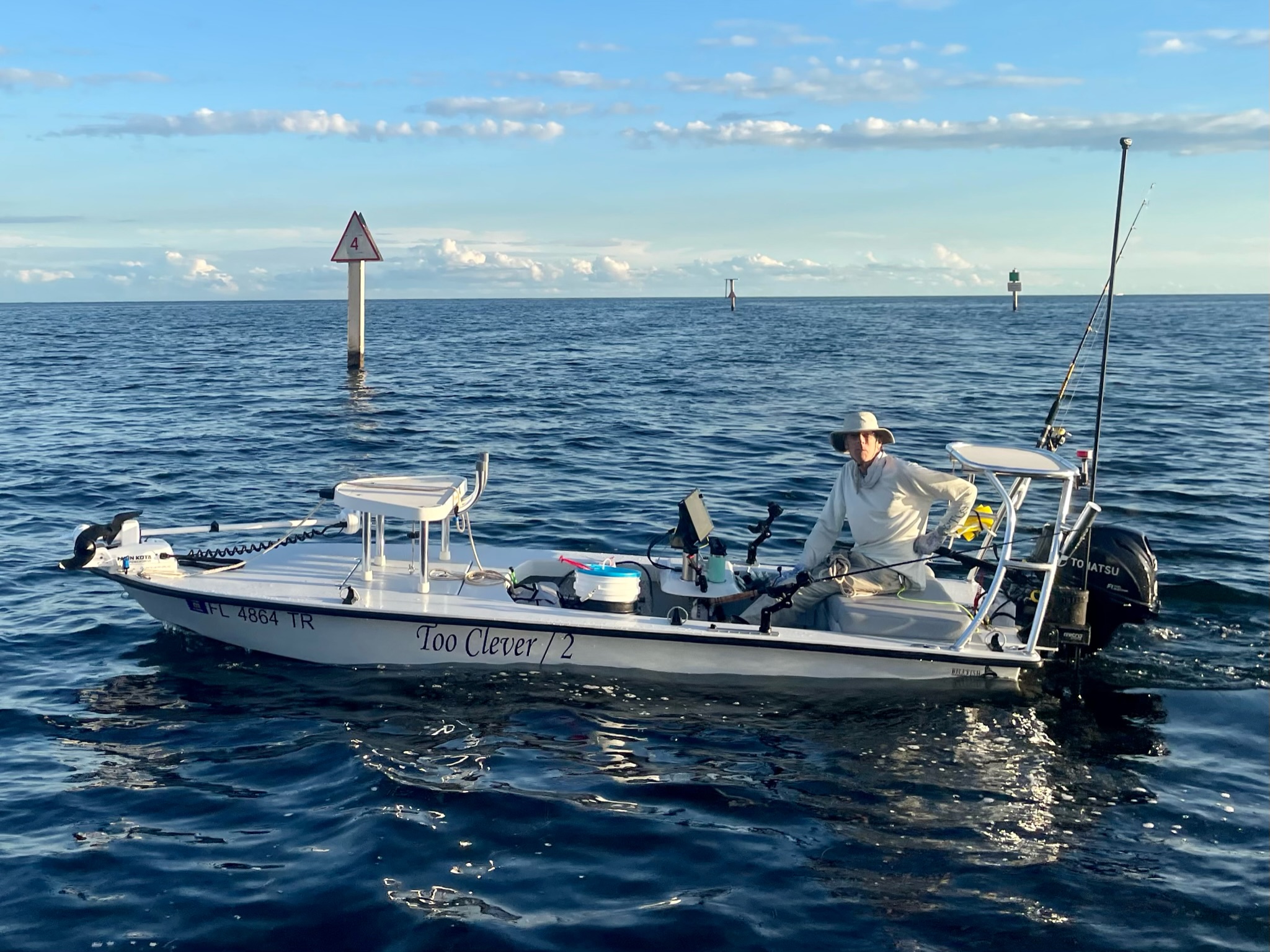
Here’s a stupid story that also explains the name of my little flats skiff.
* * *
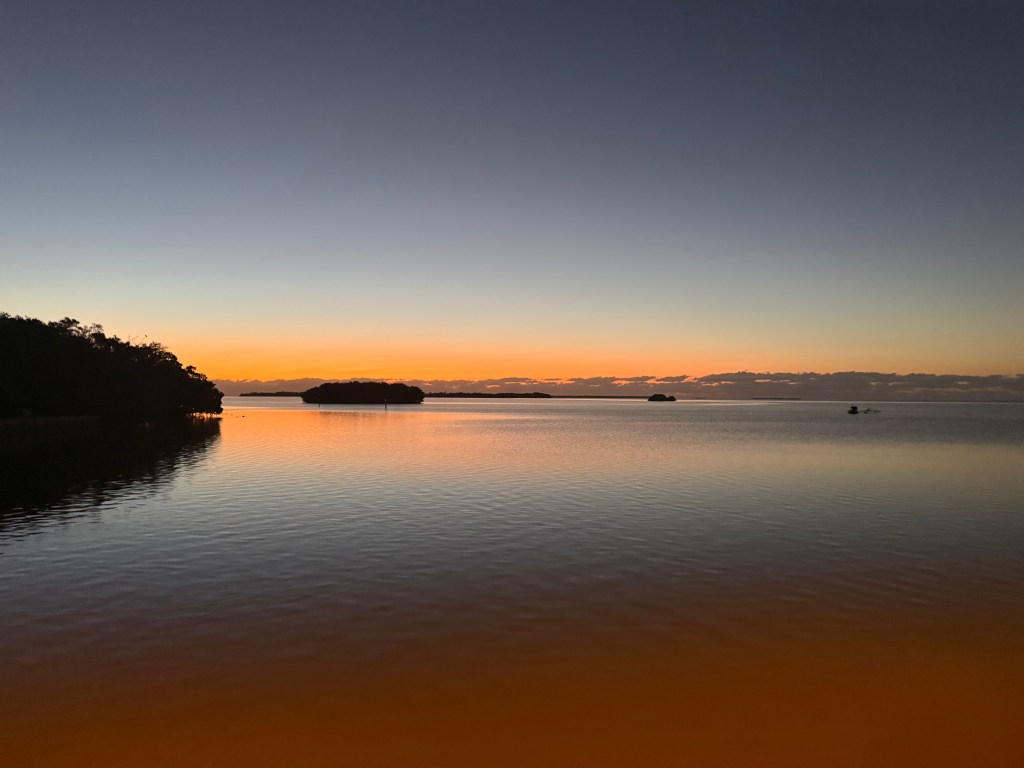
Monday morning before sunrise, I launch my skiff from the front boat ramp at the marina at Flamingo in the south end of Everglades National Park.
When launching the boat solo, I secure the loop of a dock line rope to the cleat on the front of the skiff and tie the other end to one of the two vertical PVC posts at the rear of the boat trailer. Then I back the trailer into the water and stop abruptly. The boat floats off the trailer into the water, tethered to the rear of the trailer by the dock line.
Dock lines come in 15’ and 25’ lengths, so when I got my 14.5′ skiff, I bought a pair of 15′ dock lines, one for each end of the skiff. Fifteen foot dock lines are the perfect length if I’m backing the trailer down the boat ramp and someone else is guiding the boat along the dock. Launching solo, however, a 15’ rope is just long enough to tie a clove hitch around one of the 2.5” diameter PVC pipes enclosing the risers on my boat trailer. The clove hitch is not the most secure knot one could tie onto a slick PVC pipe, but it’s the only snug hitch knot I can manage given the limited length of the dock line.
Launching solo this morning, I remove the safety straps, tie on the dock line, back the trailer into the water, and the boat floats backwards off the trailer as planned. I ease the car forward to bring the back of the trailer onto the dry part of the boat ramp, placing the rope within my reach.
As the rope comes taught, its tip pulls free of the clove hitch on the trailer’s riser, the knot unwinds, and the skiff continues its backwards drift untethered.
Expletives fly as I leap from the car. It’s early on a chilly weekday morning and nobody is on the water nearby where they might grab my skiff before it floats across the cove.
The air is 47°F, the water is 59°F, and I am not up for a frigid swim in my fishing clothes. More to the point, I am not up for a half-hour run to Cape Sable in soaking-wet fishing clothes. I scamper down the adjacent dock, hoping I might find a way to intercept the skiff as it floats past.
The boat’s drift takes it close to the end of the dock. Jumping from the dock into the small skiff looks possible.
Now is a good time to tune in to my two inner voices, akin to what Terry Pratchett dubbed “first sight” and “second sight”.
The first voice says:
“I should make this jump OK … but it’s a moving target, I might miss, and the boat has many sharp angles and no soft surfaces.“
“If I miss the jump and break a bone, neither my wife nor my orthopedist will show me any sympathy, and that’s assuming I don’t break something then fall in the cold water and drown.”
“The internet has a thousand videos of people who injure themselves attempting to jump from docks into boats.”
Not everybody tunes in to their second inner voice, but I heard mine state clearly:
“Did you hear the part about broken bones and drowning? Listen to the first voice.”
Heeding the sage advice, I abandon the jumping idea posthaste.
Instead, I climb down from the dock onto a wooden beam just above the waterline, wrap my right arm around the nearest piling, and extend my left leg over the water as far as it will go. My toe catches the errant skiff. Whew! I ease the skiff close to the dock step onto the deck, and motor to the closest tie-up spot. My car is waiting for me on the boat ramp, the driver’s door still wide open.
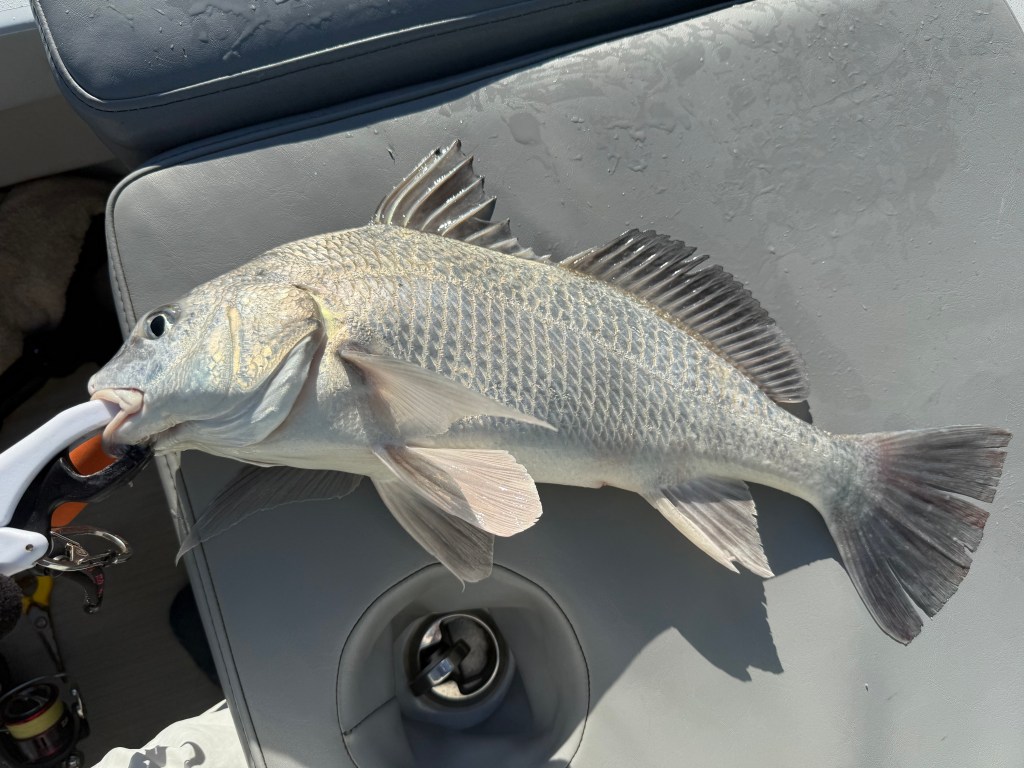
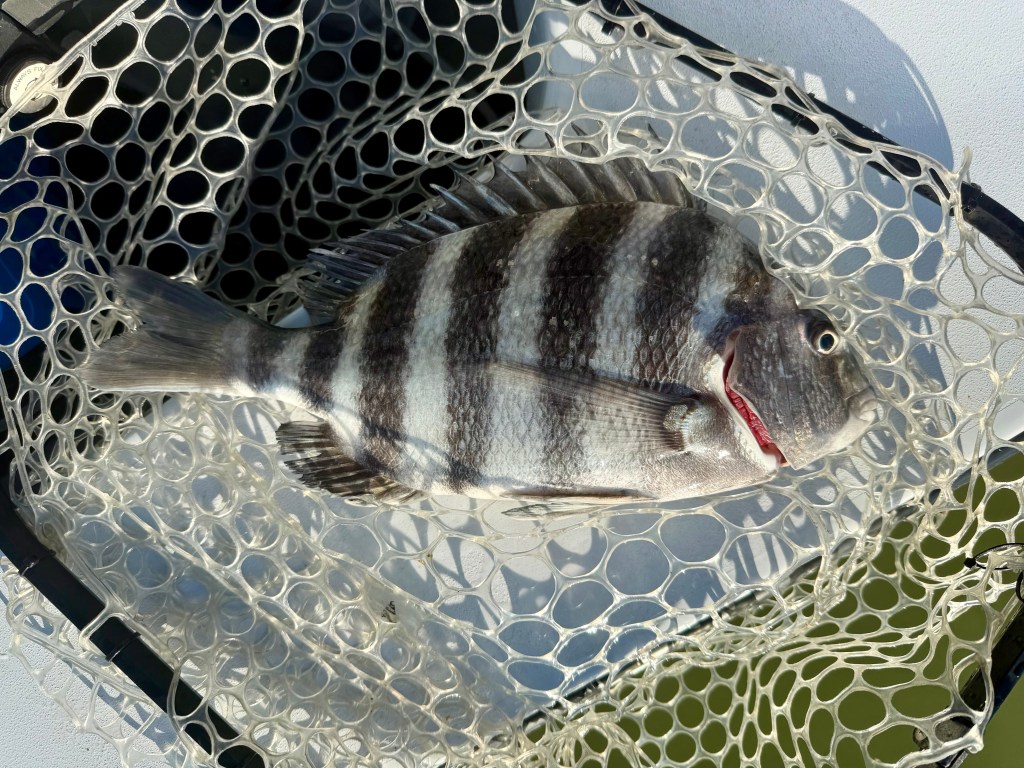
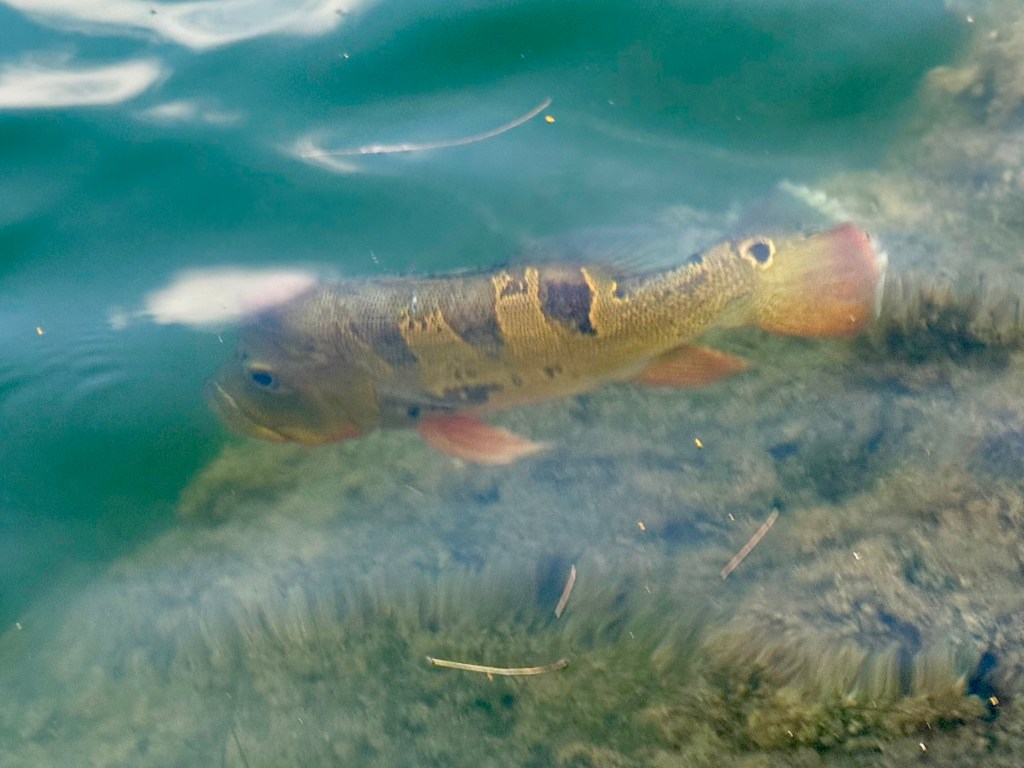
Half an hour later, I’m 10 miles away. The water is too cold to catch fish on flies or lures, but the fish will bite shrimp soaked on the bottom. I bought three dozen live shrimp on my way to the marina this morning. Here are some of my catches:
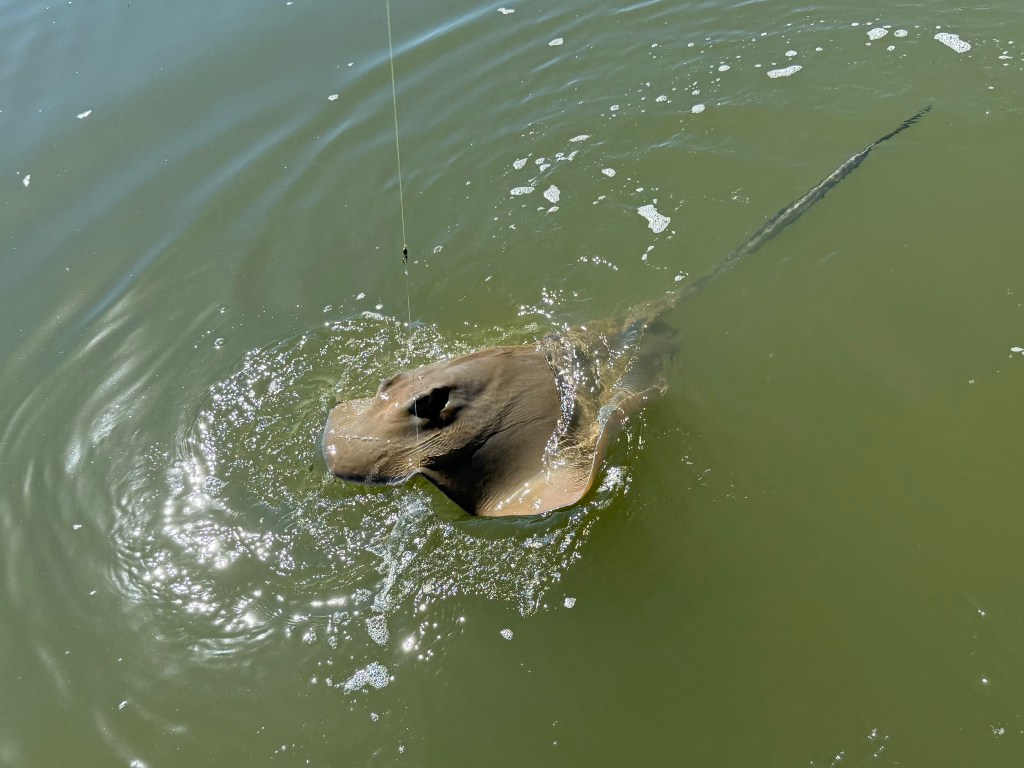
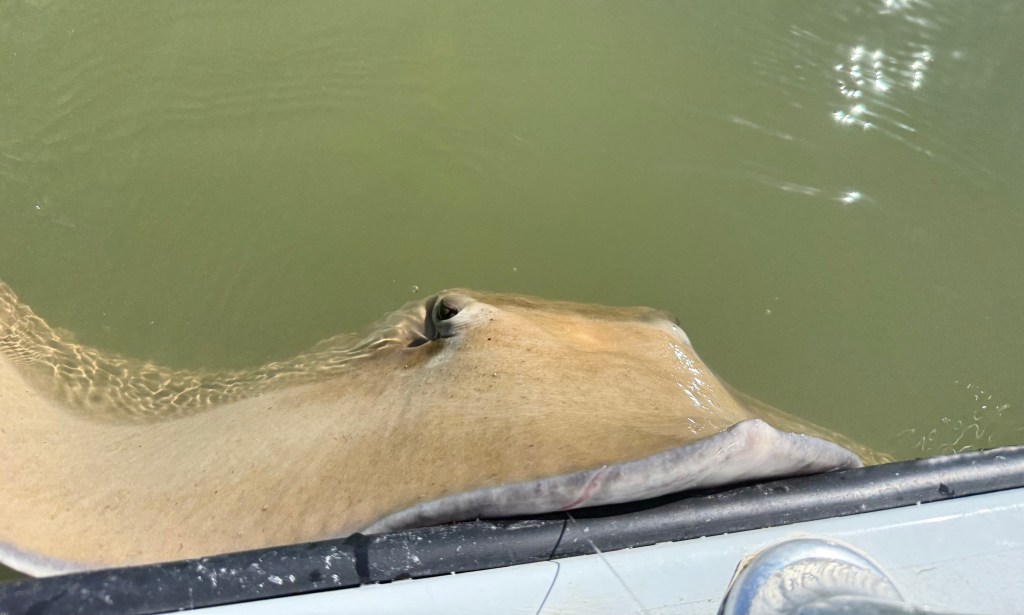
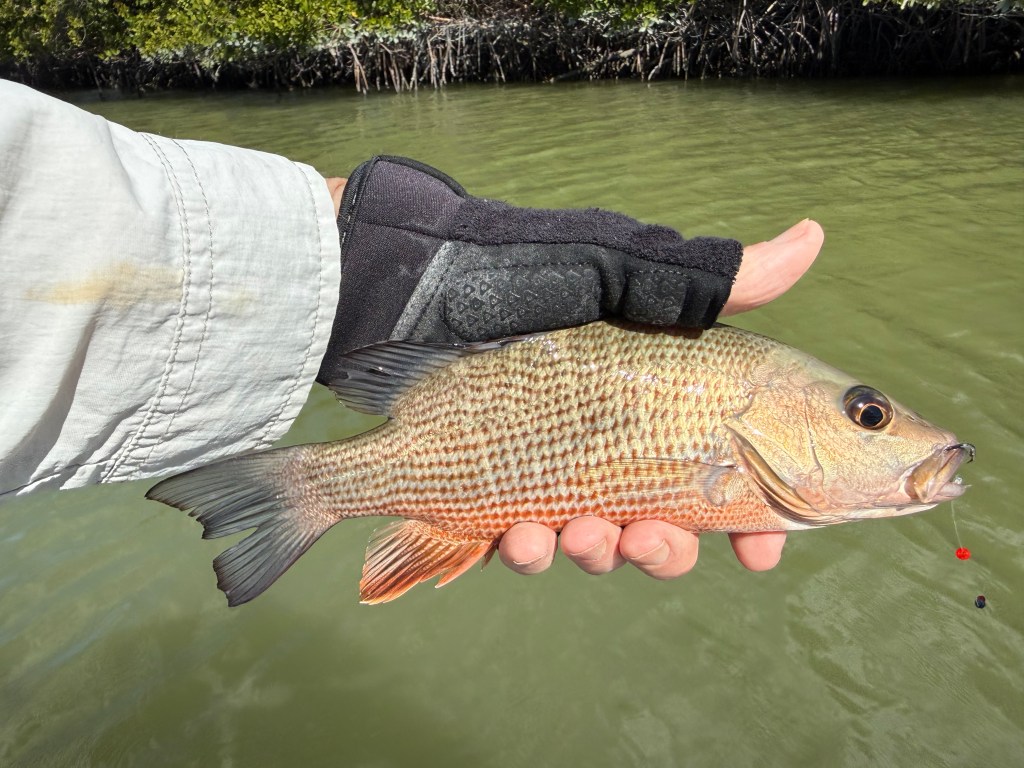
I hear a song of rising buzzes, my first Prairie Warbler of the year. A crocodile that slid from the sunlit bank is now eyeing me jealously, but keeping its distance. Good croc. A pod of dolphins spout spray as they venture past, chasing their own fish and not pestering the ones in my vicinity.
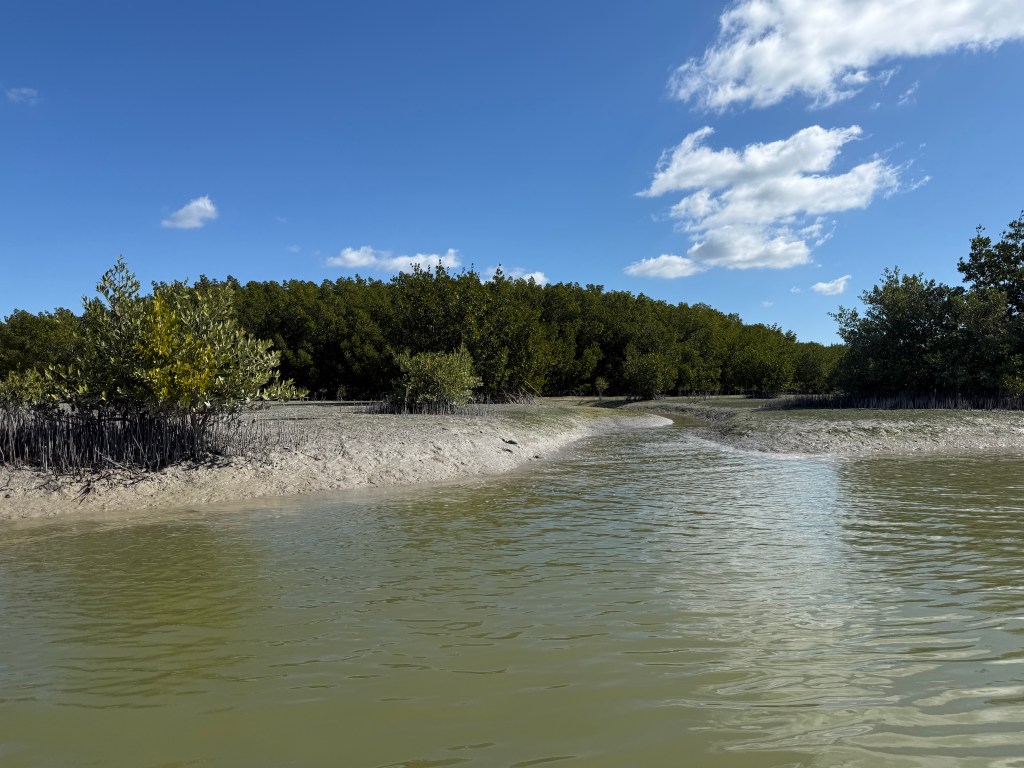
When the fish stop biting, I watch birds and explore my way a couple of miles up a tidal creek where I eat lunch in a wild place with egrets, ibis, and rails for company, but no humans.
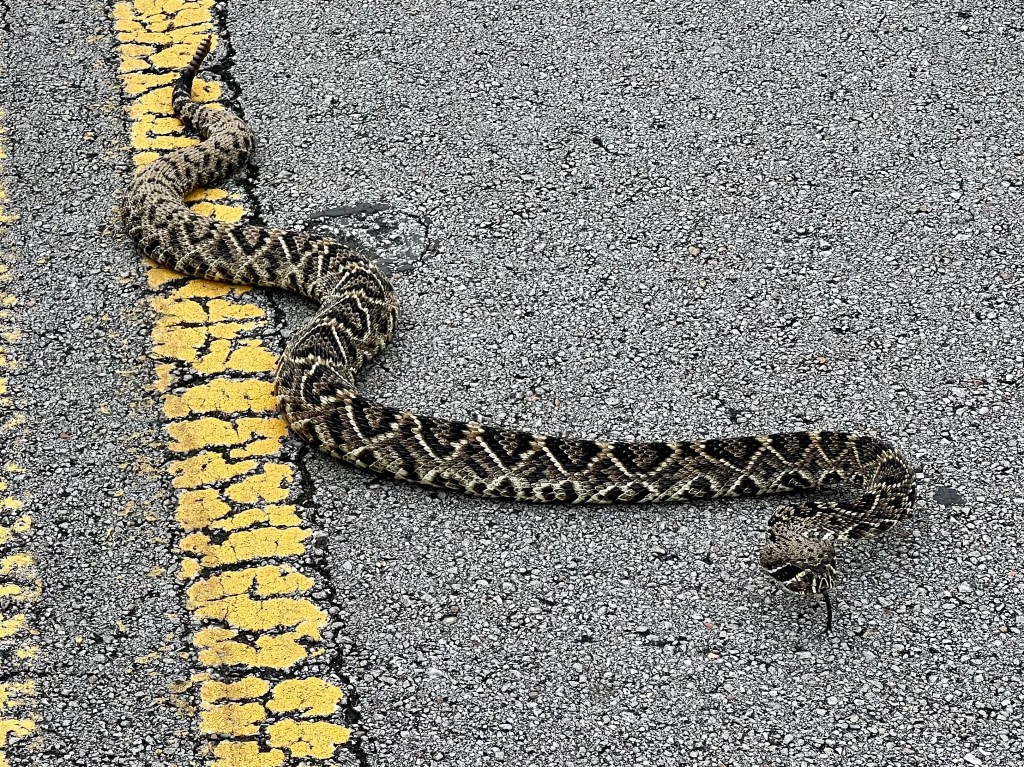
Driving home from the marina, I spot a large Eastern Diamondback Rattlesnake crossing the Park Road.
Monday morning would the SECOND time that my over-extended dock line has freed itself from the trailer during a solo launch.
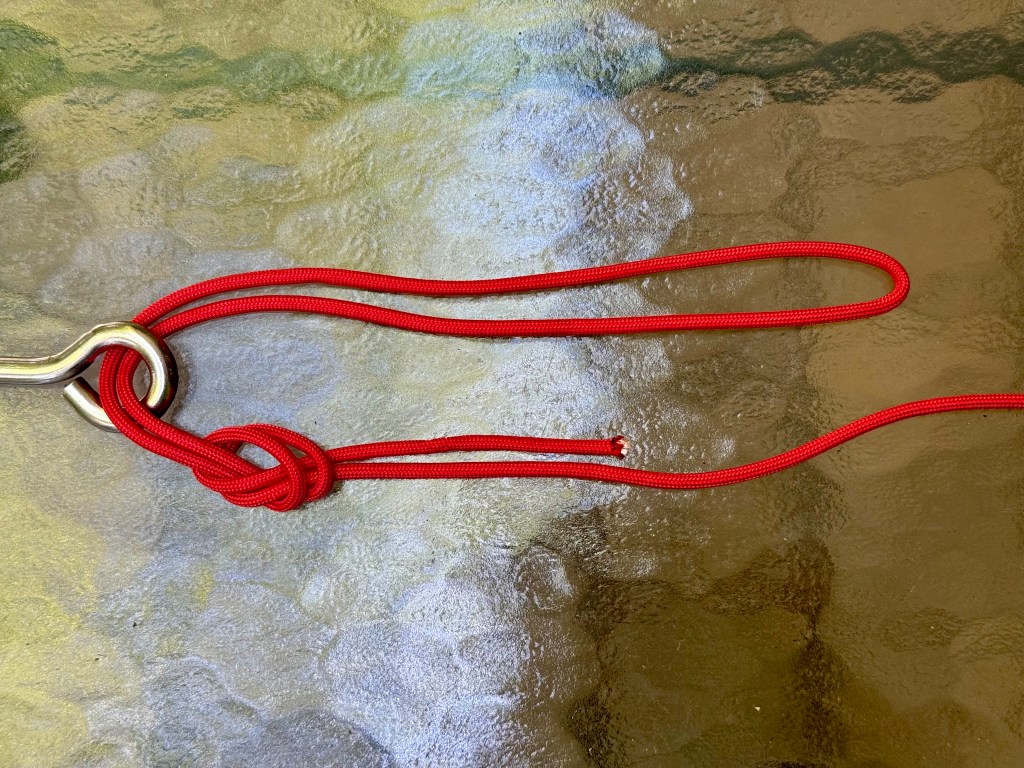
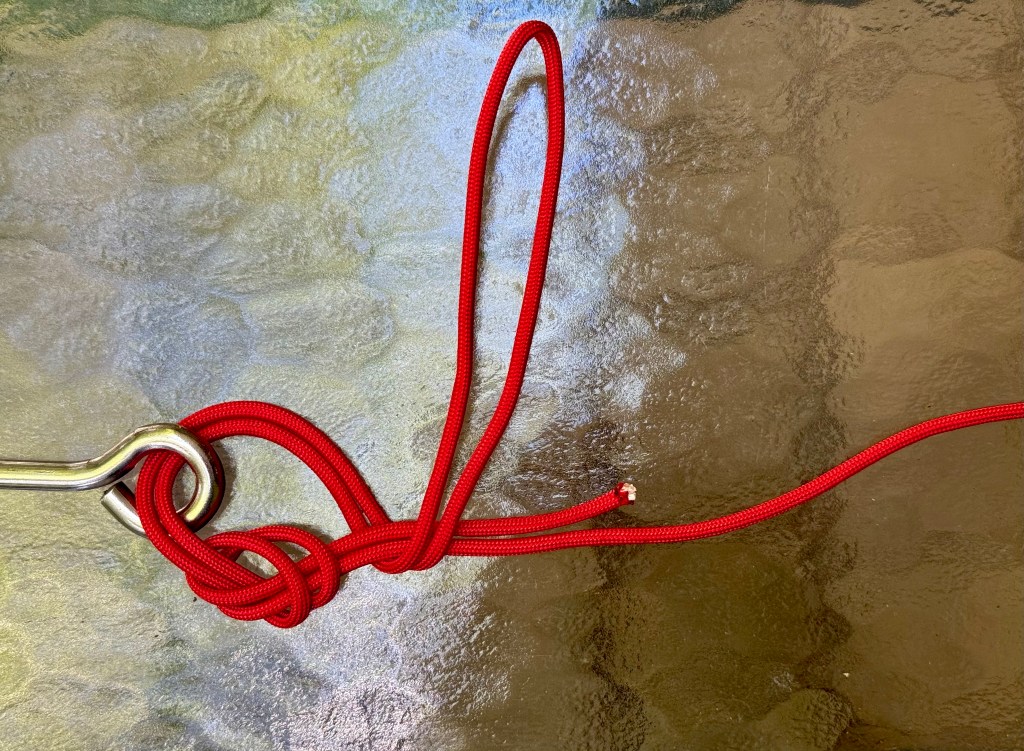
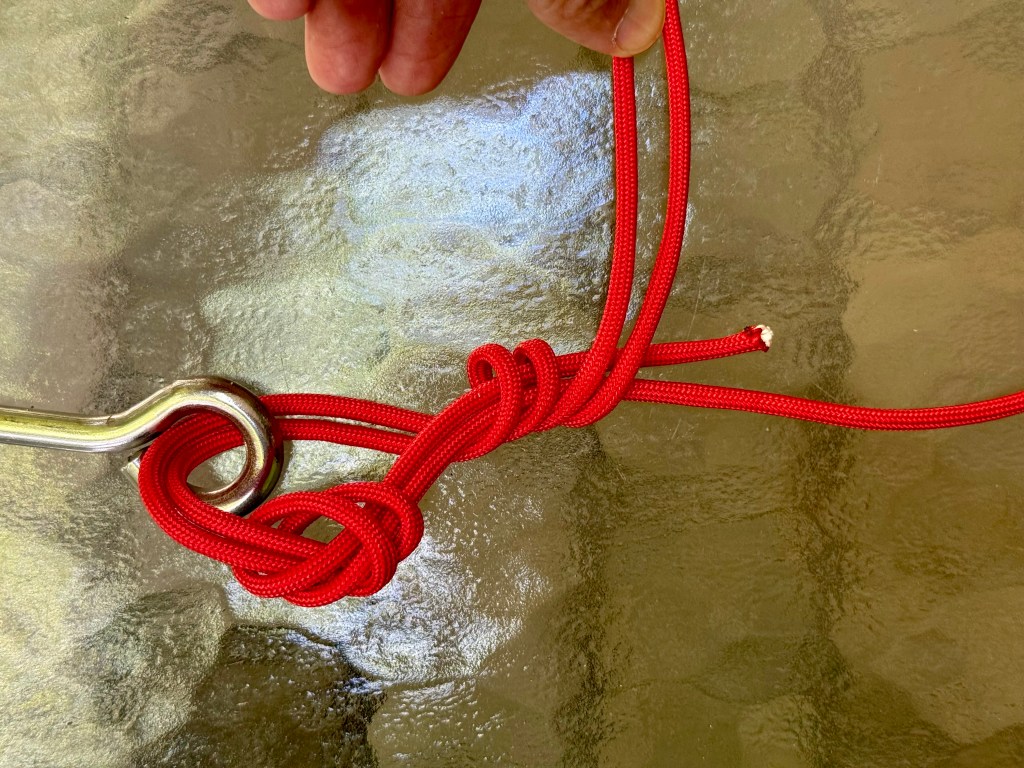
A quick trip the marine store and I am the proud owner of a 25’ dock line, long enough to tie the securest of Secret Navy Knots and then some. Of course I coulda-shoulda purchased a longer dock line the first time the boat escaped, or gee, maybe even before that.
Too Clever / 2.



 Eye of the Cormorant