We’ve all had the odd day in which few things go right but it works out and still counts as a good day. Here’s mine.
I rise at 3:10 am to fish the Ten Thousand Islands, where Everglades National Park meets the Gulf of Mexico. The weather forecast includes low hourly odds of light rain throughout the day, with 45% cumulative odds overall.
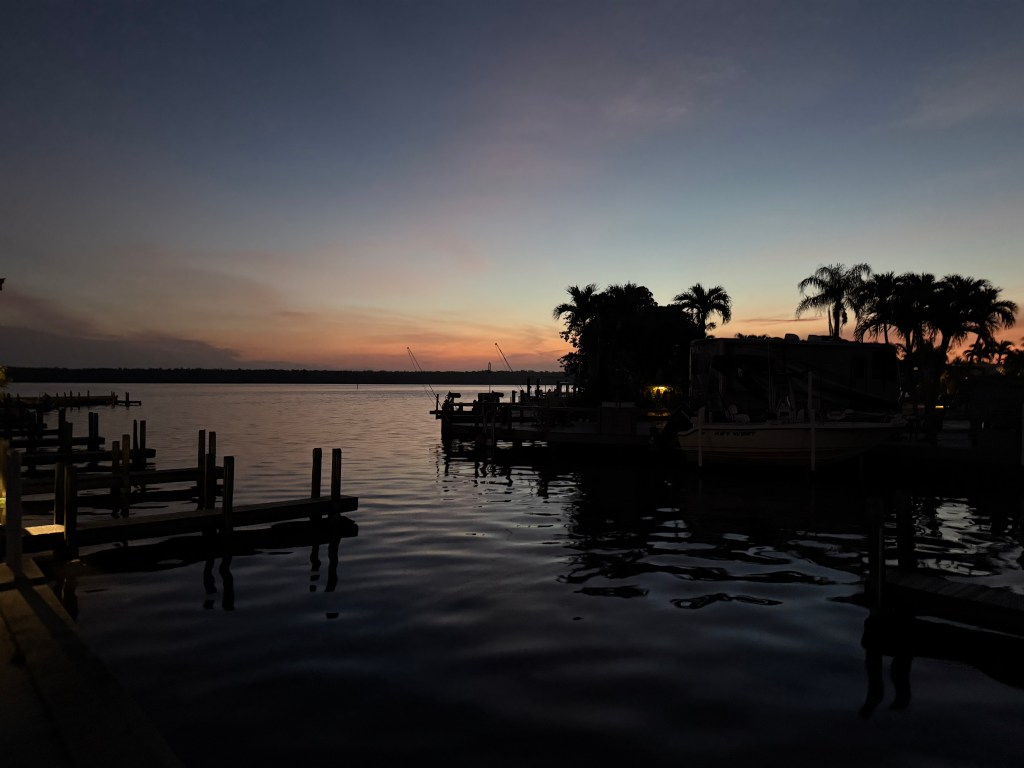
Predawn boat check at the marina in Chokoloskee reveals the waterproof controller for the trolling motor isn’t working. I carry tools in the boat and the fix proves simple: disassemble, remove and reinsert batteries, reassemble.
My first destination is Pavilion Key, a 12-mile run to the south through the maze of islands. About halfway there the wind comes up, raising waves that break on the deck of my little skiff. I turn on the bilge pump and head for the closest of approximately 10,000 mangrove keys in the vicinity. Then the sky opens. The rain is warm but I throw on my rain suit so at least my underwear stays dry.
The mangrove key occupies less than an acre, so I entertain myself fishing back and forth along the lee mangrove edge while I wait out the squall. I know a rainbow is coming. In this wind the fly rod is outgunned, so I slum it and take out the spinning rod (oh, the shame). A small ladyfish pecks at my lure but I find no “serious” fish.
And so goes fishing throughout the morning, substituting small saltwater catfish on the open flats for the small ladyfish near the mangroves. Whenever I feel the catfish’s telltale quiver as it nibbles the lure’s tail, I yank the lure away. In all, I catch only two of these swimming mucus bombs. In time, the storm moves north, and my clothes dry out in the sun and wind. A faint rainbow appears. I have no complaints.
Fast forward through the morning to a nameless mangrove creek I’ve been wanting to explore, situated 15 miles south of the launch. Tight creeks like this one are buggy this time of year. Somehow the storm added a cup of saltwater to the ziplock bag holding my mosquito head net. It’s fine – wind is keeping the mosquitoes at bay, mostly.
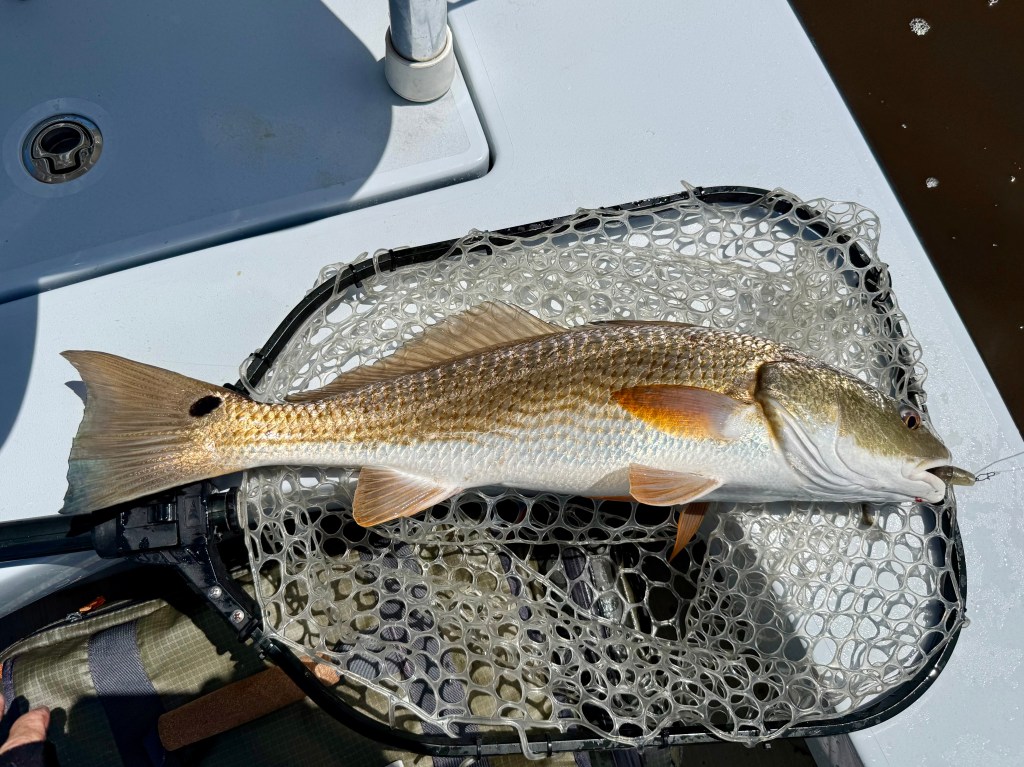
I get out the push pole and head in at the start of the incoming tide, the wind at my back. I drift up the creek, pausing with the stick anchor to cast in front of the boat. A handsome 22 inch redfish (aka Red Drum) inhales the lure and roars down the creek for open water. A redfish counts as a “serious” fish.
Proof of concept. I stow the spinning rod and take out a fly rod. Fly casting in a mangrove creek is like doing cartwheels through a yarn store while wearing a Velcro suit. The wind adds a stochastic element to the fly’s trajectory that wipes from the game my last vestige of skill. I pole out against the wind and current and get a proper workout.
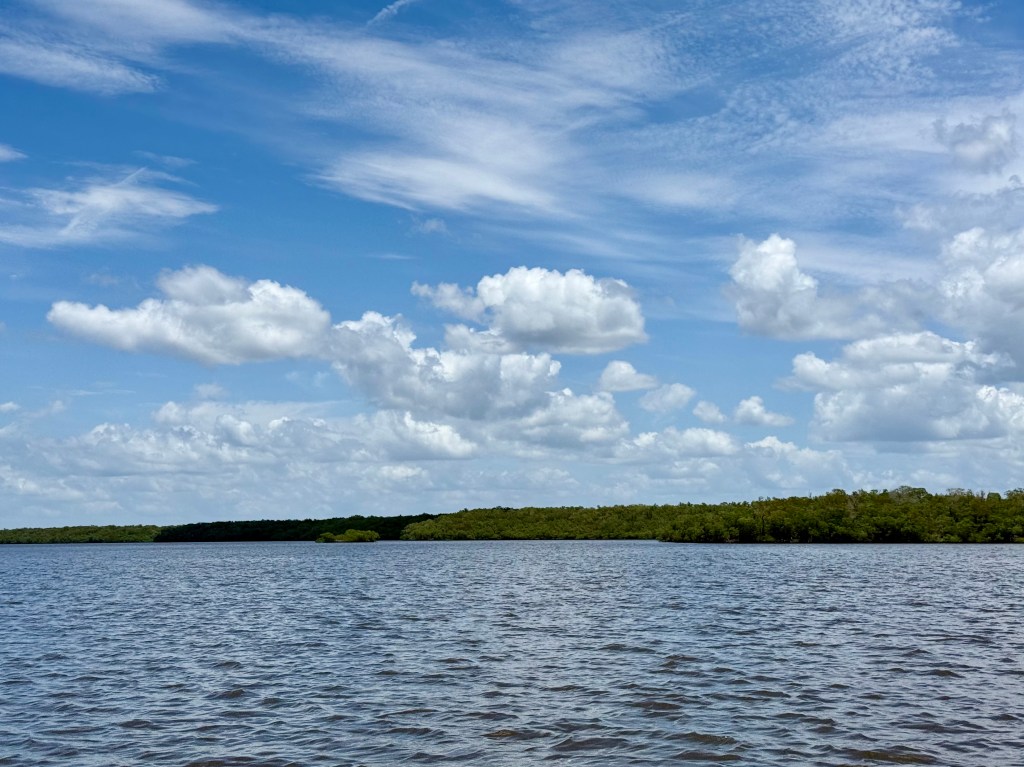
It’s sunny now but wind still riles the open water of the Gulf. I take the long way back, winding through the sheltered bays and rivers of the back country.
The day has been a tour of the places in Peter Matheissen’s books Killing Mr. Watson and Shadow Country.
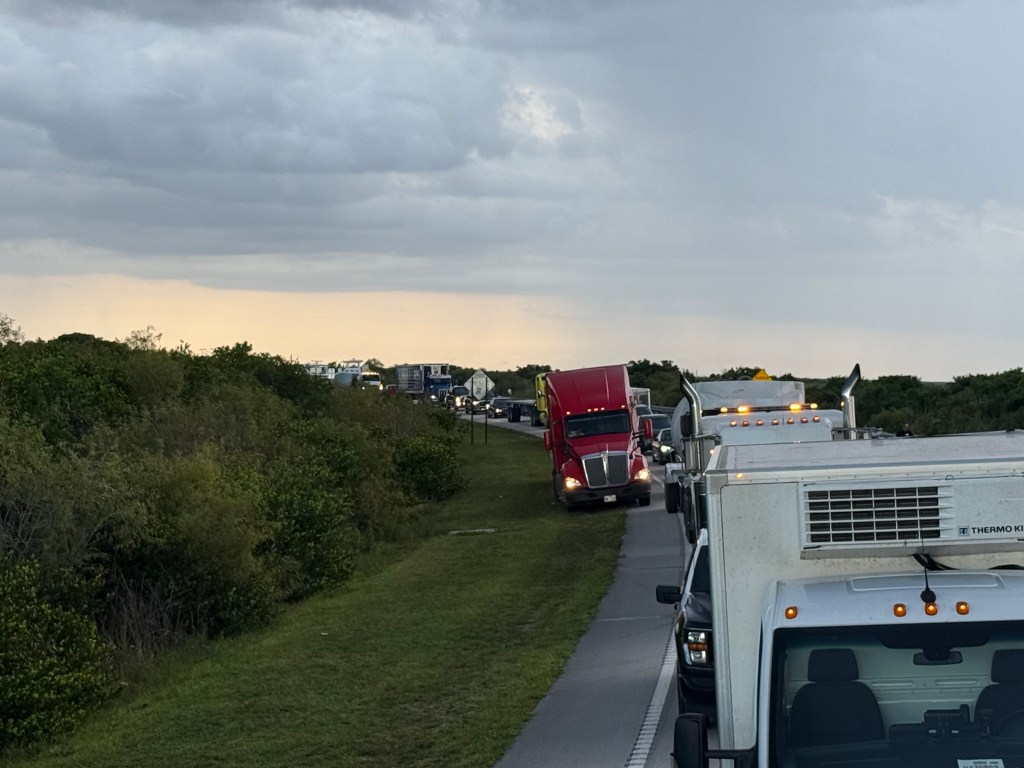
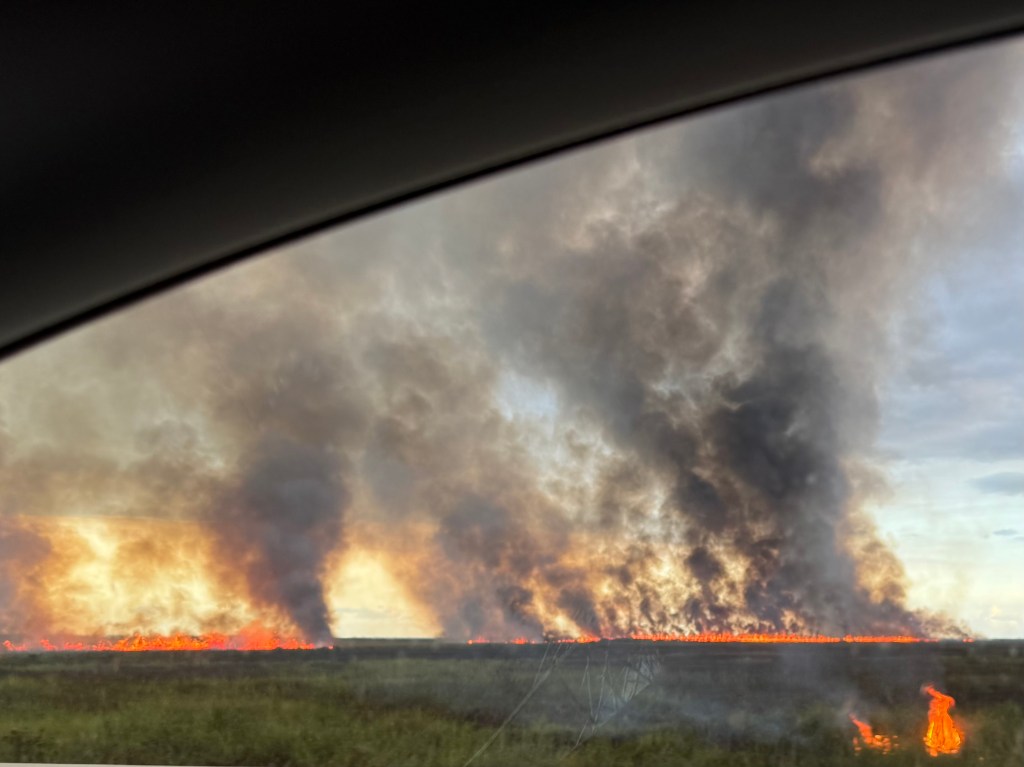
At 3:30 pm, the Miccosukee Police stop all eastbound traffic on the Tamiami Trail. I am car #11 in a line that will, in time, extend back for miles as wildfires in the east Everglades force closure of road after road.
A storm forms to the north, but the wind is still pushing from the south and will not direct it over the fire.
We are parked near the Valuejet Memorial, about 40 minutes from home. I know this area – it’s a good spot for bass. I’m tempted to pull out the fly rod again, but two large alligators get the same idea, so maybe not.
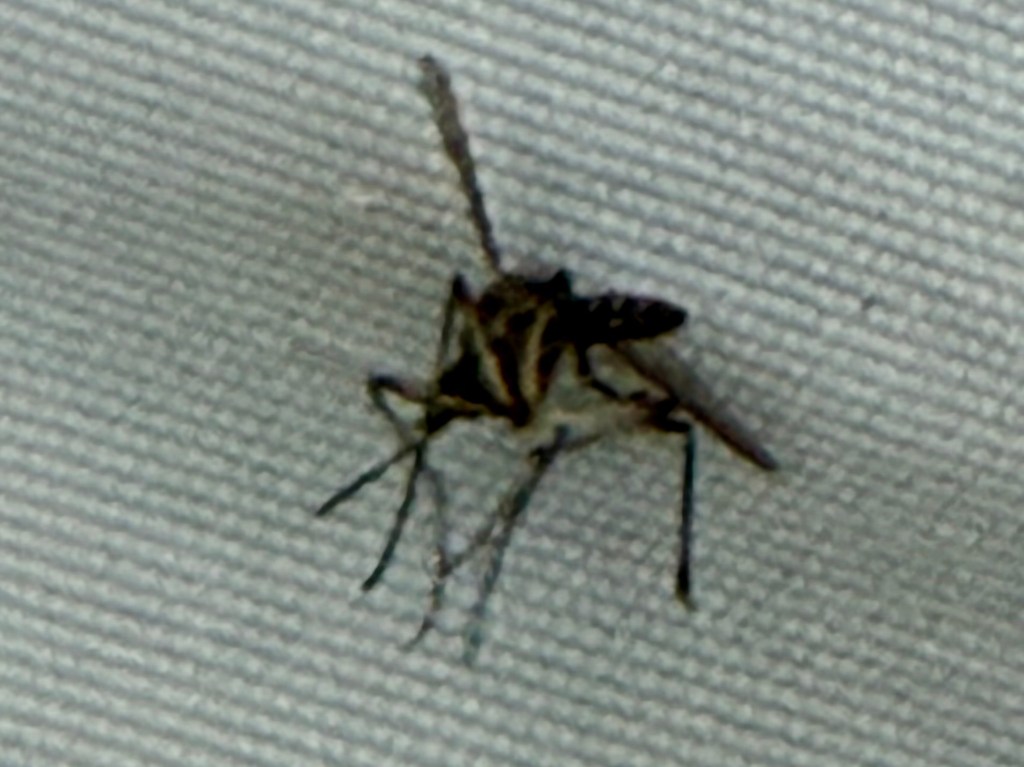
We are told our wait will be at least six hours. I invite some friendly Everglades mosquitoes into the car to keep me company.
A mere four hours later the wind changes direction and the police let us through. The fire is impressive.
I roll in at 8 pm. Expecting a 6+ hour wait, I had consumed an emergency granola bar for dinner, but Gray has a better menu ready for my second dinner. Bless her.
May 15, 2026. Low winds are predicted through noon with no rain forecast for the day. Ideal weather to fly fish for snook on the beaches in the SW corner of the Florida peninsula.
When the tide starts to come in, small bait fish congregate along the shoreline. In May and June, snook move in to hunt these baitfish along the beaches of SW Florida before heading offshore to breed. In turn, Lemon Sharks ply the water a few feet out from beaches to hunt the snook.
Sea level rise is a real thing here, and snook make the most of it, seeking out the beach stretches with “ghost forests”, woody remnants of drowned mangroves. I presume snook find some protection from hungry sharks and ospreys among the submerged stumps.
* * *
Mosquito season has returned to south Everglades. I don a second shirt and my head net in the car before heading outside to ready the skiff for launch. As I step out, a swarm of mosquitoes rushes inside the car to amuse me on the drive home. No kayak today; my destination is 17 miles from the put-in.
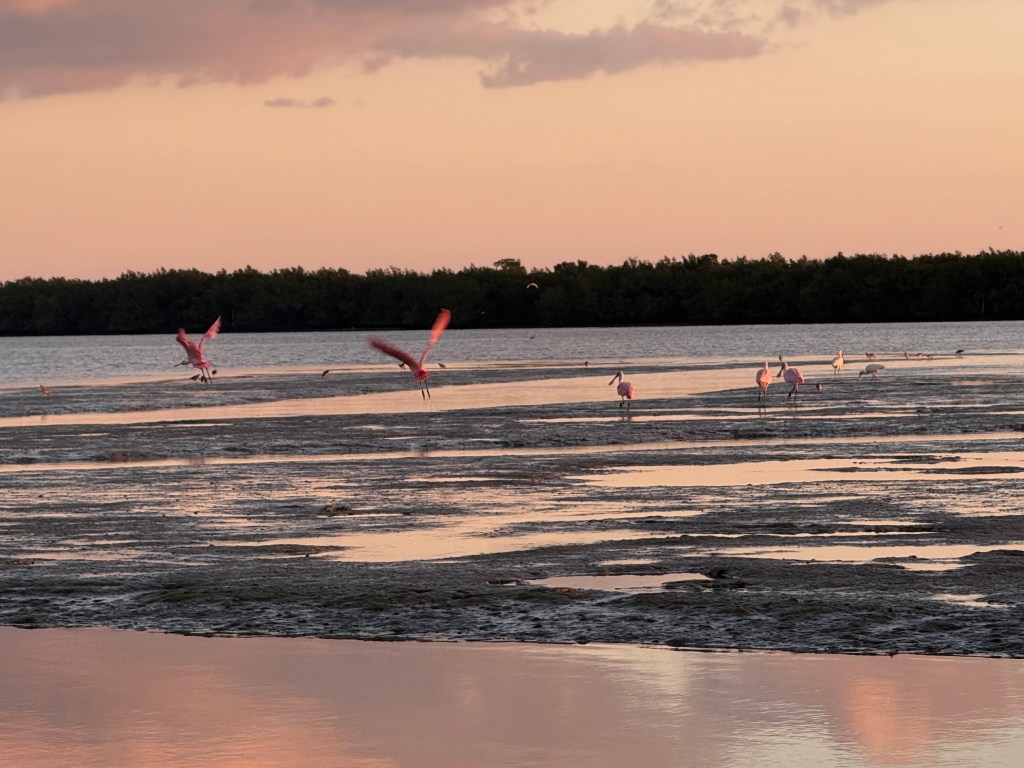
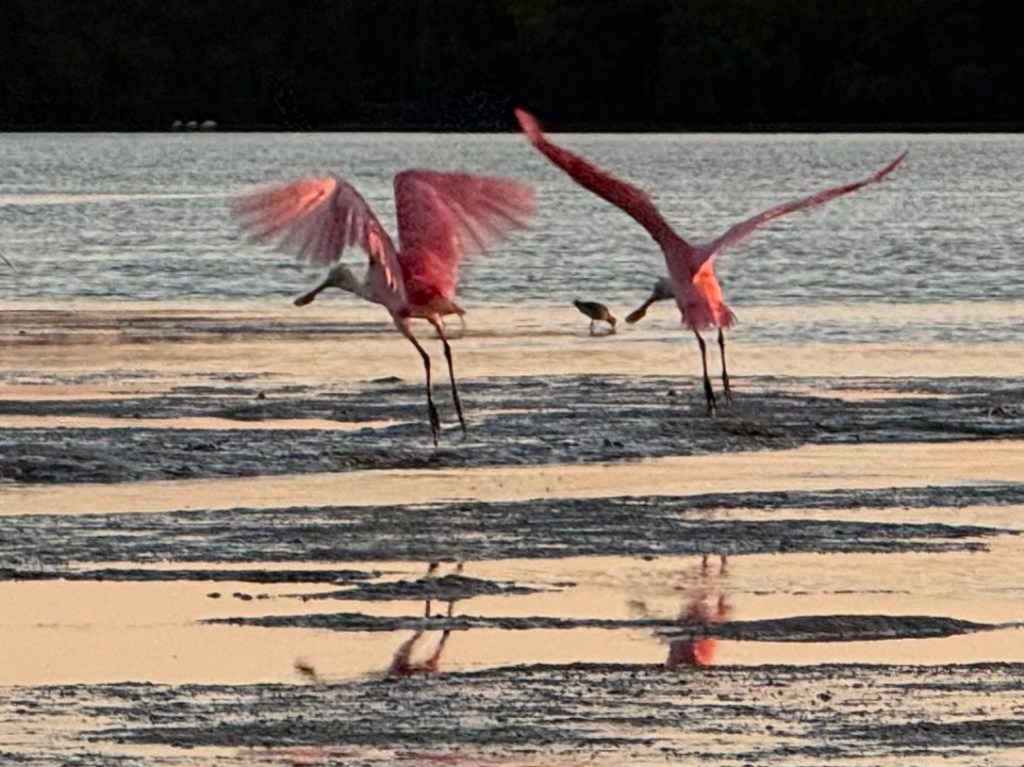
A Chuck-Will’s-Widow sings nearby as I launch in the dark. Something splashes, but my flashlight detects no crocodile eyes. The sun peeks over the horizon turning the sky and water pink as I take the shortcut through Lake Ingraham. I stop to watch pink birds.
Roseate Spoonbills on Lake Ingraham at low tide. They’re pink at all times of day.
The tide is still going out when I arrive, so I check out the shoreline of a nearby tidal river, a spot just outside the strong current where I have found snook stacked up as they wait for the tide to change. Someone else has arrived before me to hunt for snook, with no intention of releasing them:
Feeding caught or released fish to Lemon Sharks is against my religion, so I move on to the beach. The wind is low, as NOAA predicted it would be, and the tide chart says the tide will turn in an hour. I bide my time watching a Swallow-tailed Kite hunts lizards and dragonflies as it courses back and forth over the low coastal scrub. I never get tired of watching kites.
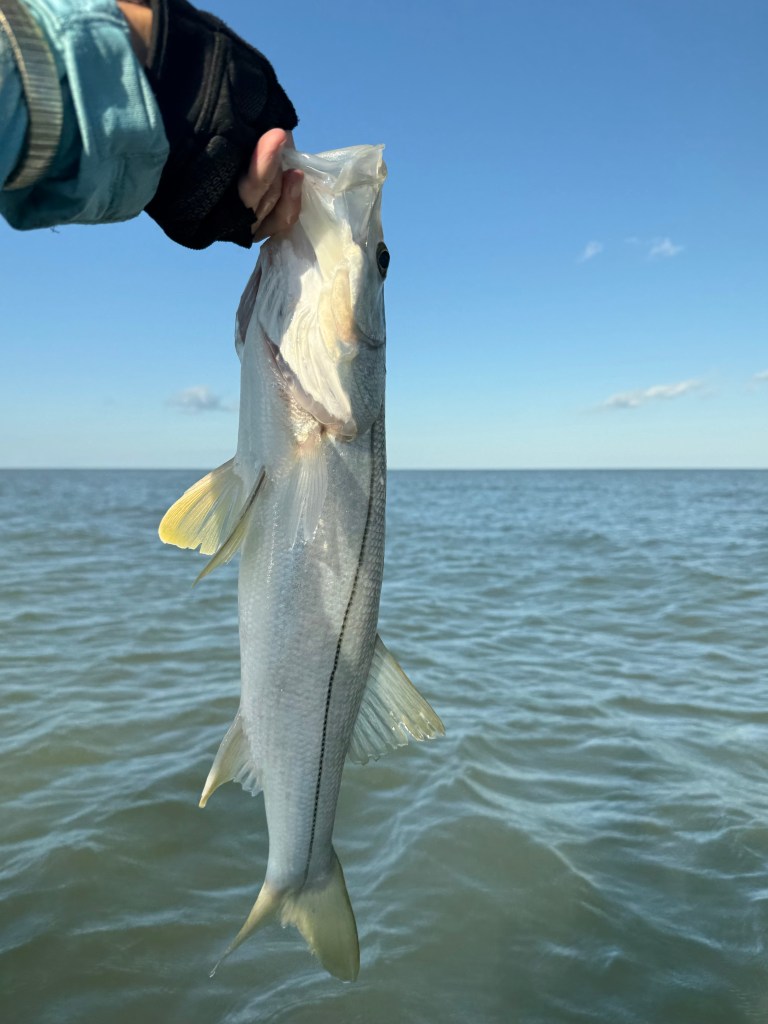
I assemble my long, two-handed “Spey” rod, tie on a proven fly, and begin casting to the water’s edge, trying not to hook remnants of the mangrove ghost forest. At 8:30 am a snook grabs the fly and leaps into the air. It lands with a splash and leaps again. A great fish, but commotion like this broadcasts a loud “EAT ME” signal to any nearby sharks. A couple of years ago at this same spot, I broke a fly rod playing “keep away” with a Lemon Shark. I buy used fly rods, but they’re still inordinately expensive, and that particular rod was a treasured gift from my former student Manny. I have devised a plan to avoid a repeat:
As soon as the snook hits the fly, I open the drag on the fly reel and let the fish run while I maneuver the skiff away from the beach into deeper water. When I spot-lock the trolling motor, Mr. Snook is still on the line. The ruse works – I play in the snook and net it up with no shark interference.
With sharks on the prowl, it’s unwise to reach your hand into the water to unhook a fish.
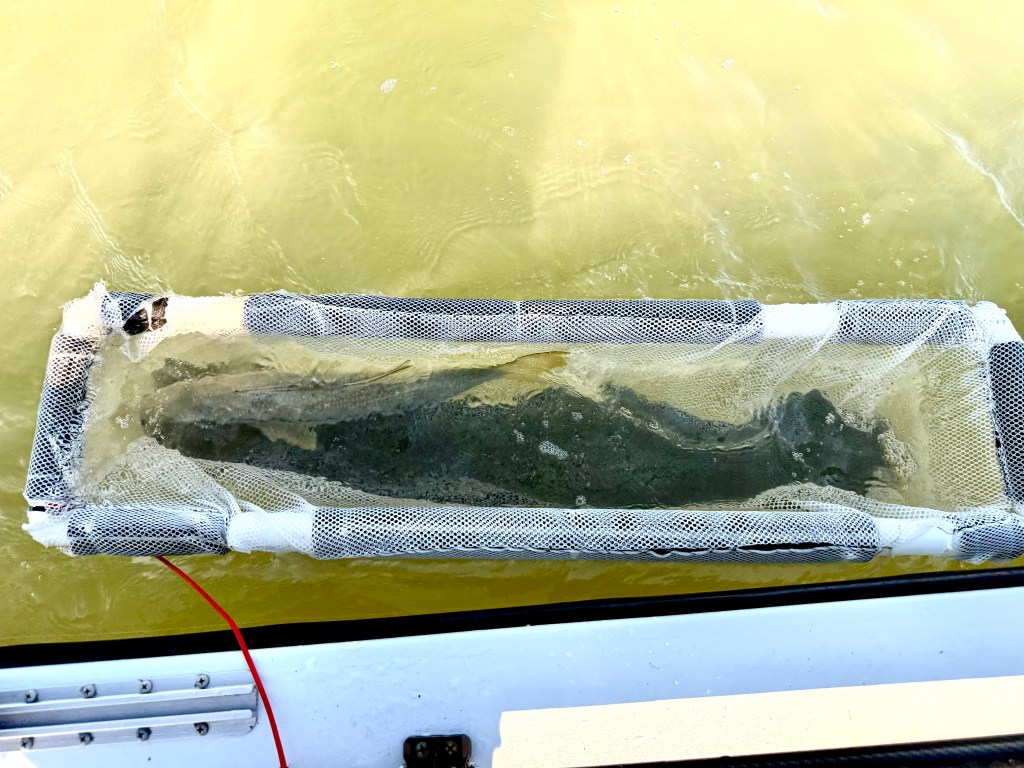
According to a paper I read, giving caught fish a few minutes to recover before release greatly reduces the likelihood of a shark chasing them down. I unhook the snook and put him into a homemade floating recovery pen where he rests calmly for a few minutes until I release him 75m from shore.
The snook is the gray fish-shaped thing with fins and a yellow tail on the left side of the floating pen. The long black thing is a strip of shade cloth to keep a shark from seeing the resting fish’s silhouette from below.
The wind is picking up three hours earlier than predicted and surf is now pounding the shoreline. I fish another hour, bobbing around in the waves, but no more snook are to be found. I disassemble the rod, fold up the floating pen, and make the return run. Retracing my path through Lake Ingraham and Florida Bay I’m happy to find the water is much flatter on the lea of the peninsula than the on the windward Gulf side.
* * *
So where are rest of the snook today?
With the strong offshore wind and crashing surf, perhaps the bait fish left the shoreline so the snook went elsewhere.
Rains bring snook down from the rivers to the beaches where they congregate before heading offshore to breed. Perhaps the spring has been so dry the snook are still up-river.
Maybe the recovering Lemon Shark population has reduced the snook numbers – I hope that’s not it.
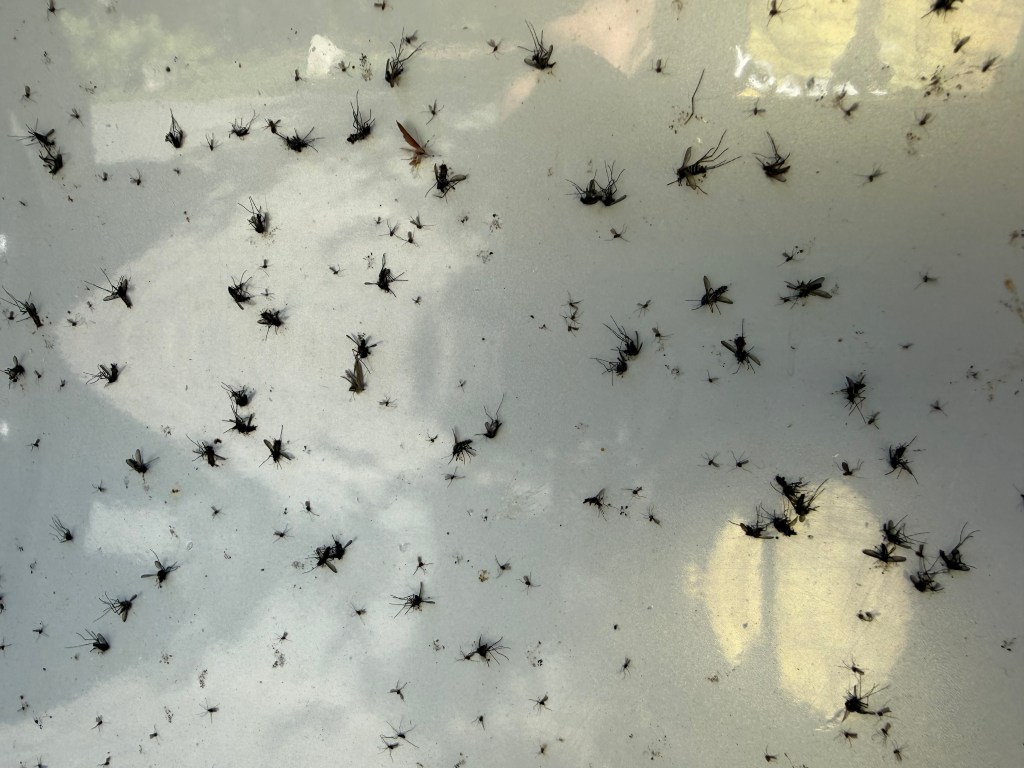
Here’s the car’s front bumper when I get home. Even as the beach snook are missing today, Black Salt Marsh Mosquitoes have faithfully resumed their time-honored role as defenders of the south Everglades.
Bill and Maggie Stone were not trying to be funny when they named their seventh child Jewell. Mostly they called her Judy.
Jewell grew up in Graniteville, a mill town in the pinewoods of the South Carolina Piedmont. There she developed her love of the woods, taking walks in the pine hills with her father when he visited his friend, a long-bearded hermit named Shag Jones.
Jewell’s father Bill Stone ended his career advancement at the town cotton mill by refusing to join the Klan. He instilled in Jewell a deep sense of decency. Bill would stop by the railyard during the Depression and bring people home for dinner. Once, their weekly groceries were stolen from the kitchen, but her dad refused to call the police, saying “Whoever took those groceries needed them more than we did.”
Thanks to the town librarian, Jewell fell in love with books. To avoid the family’s scorn, she read unseen in her hiding place behind the sofa.
No women in her family went to college but Jewell’s determination was likewise inspired by the subversive town librarian. Jewell bewildered her family further by insisting on heading north to Washington DC so she could attend a racially integrated college. Teased for her southern accent upon her arrival at American University, Jewell lost it post haste. She graduated with a B.A. in English Literature.
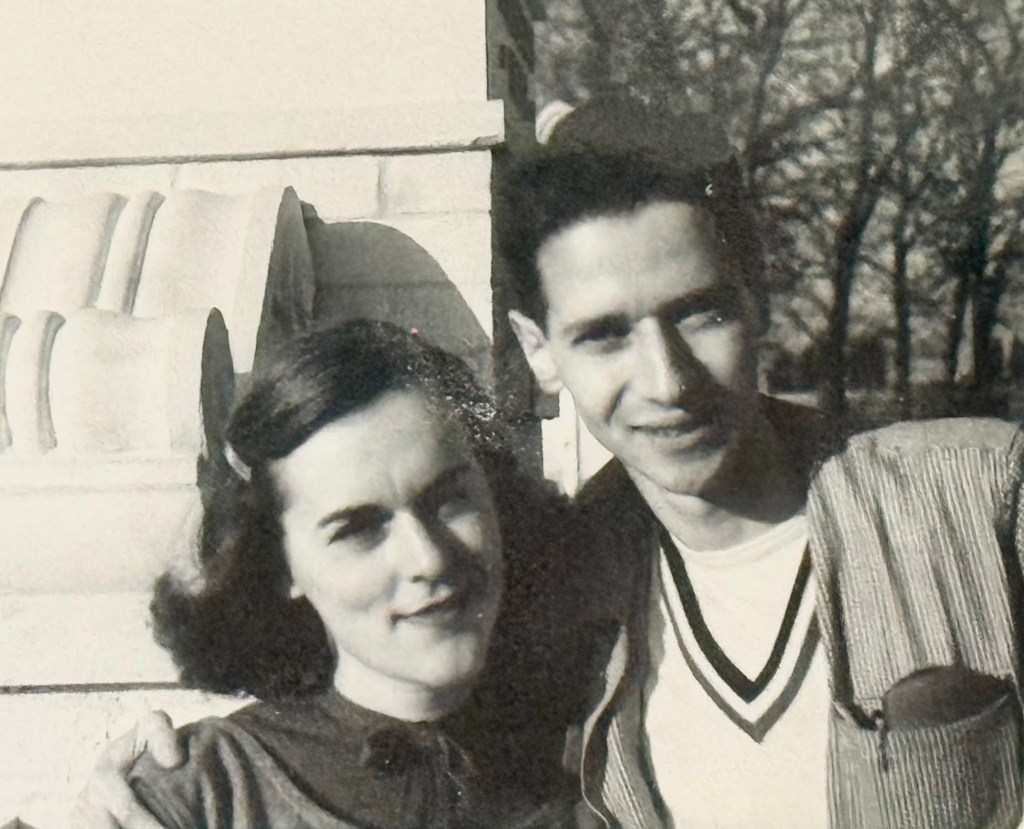
Jewell married Arthur Kraft, a journalist who covered international trade for MacMillan. Art’s family embraced Jewell, and the Krafts became her new family.
Jewell Stone & Art Kraft, 1954
Arthur died on Christmas Eve 1958, leaving Jewell widowed with a toddler son, Philip. Jewell’s oldest brother Carl reached out to tell her “the family would be willing to take her back”, apparently ready to forgive her triple sins of moving north, getting educated among Blacks, and marrying a Jew. Jewell recounted, “I told him to go fuck himself.”
The Krafts remained our core family, looking after Jewell and me during the rough times following Arthur’s death.
To support the two of us, Jewell got a job assisting DC Circuit judge David Bazelon with his work on legal rights for the mentally ill. Judge Bazelon urged Jewell to attend law school, but she declined. She took me along to Civil Rights marches in Washington DC and I joined her walking door to door collecting funds to support Democrats running for office.
My Grandpa Lou, known in the Kraft family as “Pop”, gave Jewell money to buy a car. A VW Beetle would have been an economical choice, but Jewell knew these cars were built with Nazi slave labor during the war, and she would not disrespect Pop with such a purchase. Instead, she bought a small British Ford, a total lemon that often failed to start, a trait that filled our lives with serendipity.
One snowy morning in 1961, a nice man who lived in our apartment complex helped Jewell get our little car started. I took to asking Jewell “When are we going to see the nice man again?”
In time I learned his name was “Ted Theodore Stoddard”. Sometimes as I peered from the window of our 3rd floor walk-up, eagerly awaiting Jewell’s return from work, she diverted from the direct path to stop by Ted’s flat in the adjacent apartment block for “a drink” – HEY! They fell in love and married on the Ides of March in 1962. The Kraft family embraced Ted as well.
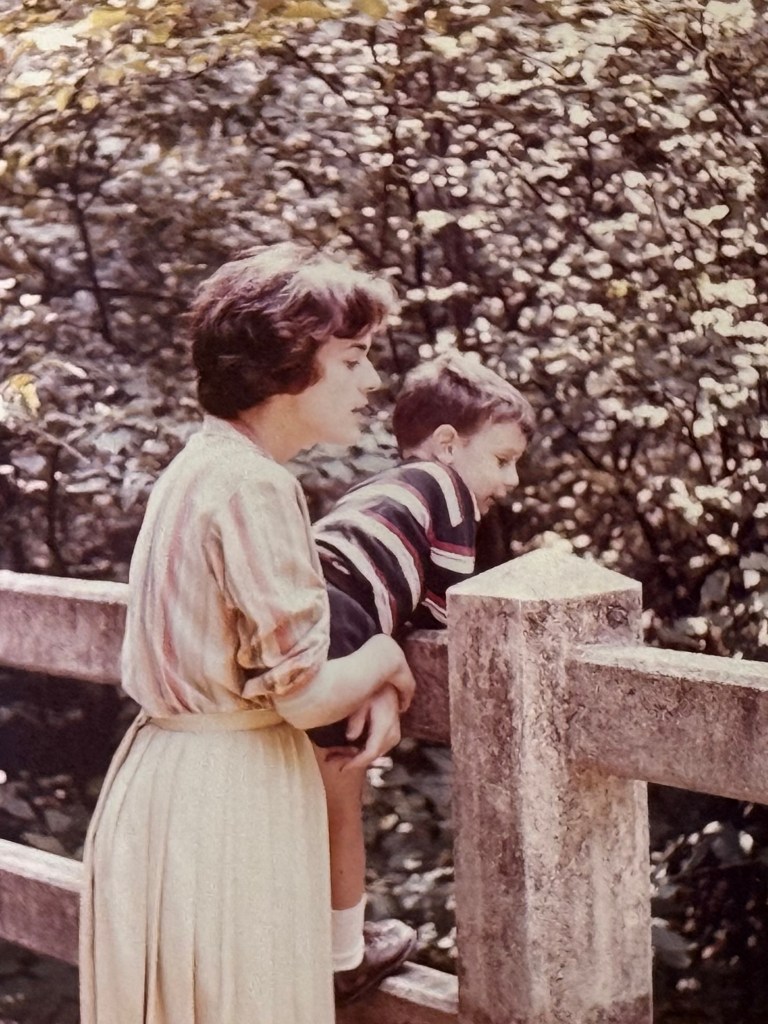
Ted also turned out to be a good photographer.
Jewell stopped working to travel overseas with Ted, me in tow. We had a great time exploring Cyprus, Egypt, and Ethiopia. Eight months after our return from Ethiopia, Andrew was born in 1964.
In 1968, Jewell found a new career teaching third and fourth grades at Green Acres School. Her former student, Professor Manuel Lerdau, describes her as ”… one of those rare grownups who talked with kids as though we were adults, and we responded as if we were. I still remember talking with her, when I was a third grader, about a hagiographic [look it up] biography of Andrew Jackson that I had read. Jewell used it as a chance to point me toward books with different viewpoints. She taught me to think of reading as both an end and a means.”
In 1977, Jewell and three colleagues from Green Acres started the first children’s bookstore in the U.S., Cheshire Cat Children’s Books, on Connecticut Avenue south of Chevy Chase Circle. Book industry experts told the partners that a bookstore could not succeed selling children’s books alone. The store thrived and became a fixture in Washington DC. While Amy Carter shopped at the store, her Secret Service detail bought books for their own children.
Jewell befriended all the children’s authors; her favorites included Maurice Sendak, Tomie de Paola, and Allen Say. Jewell told me that when Jimmy Carter came by the store to sign books he could inscribe his name while talking to a customer and without looking down. She once joined Dr. Seuss for breakfast, who thanked his hosts for not serving green eggs and ham. Her shelves at home were filled with signed first editions.
Jewell’s children and grandchildren always received the best of children’s books, inscribed by the authors, for holiday gifts or because the author had been by the store with a new book and she thought a particular child would like it.
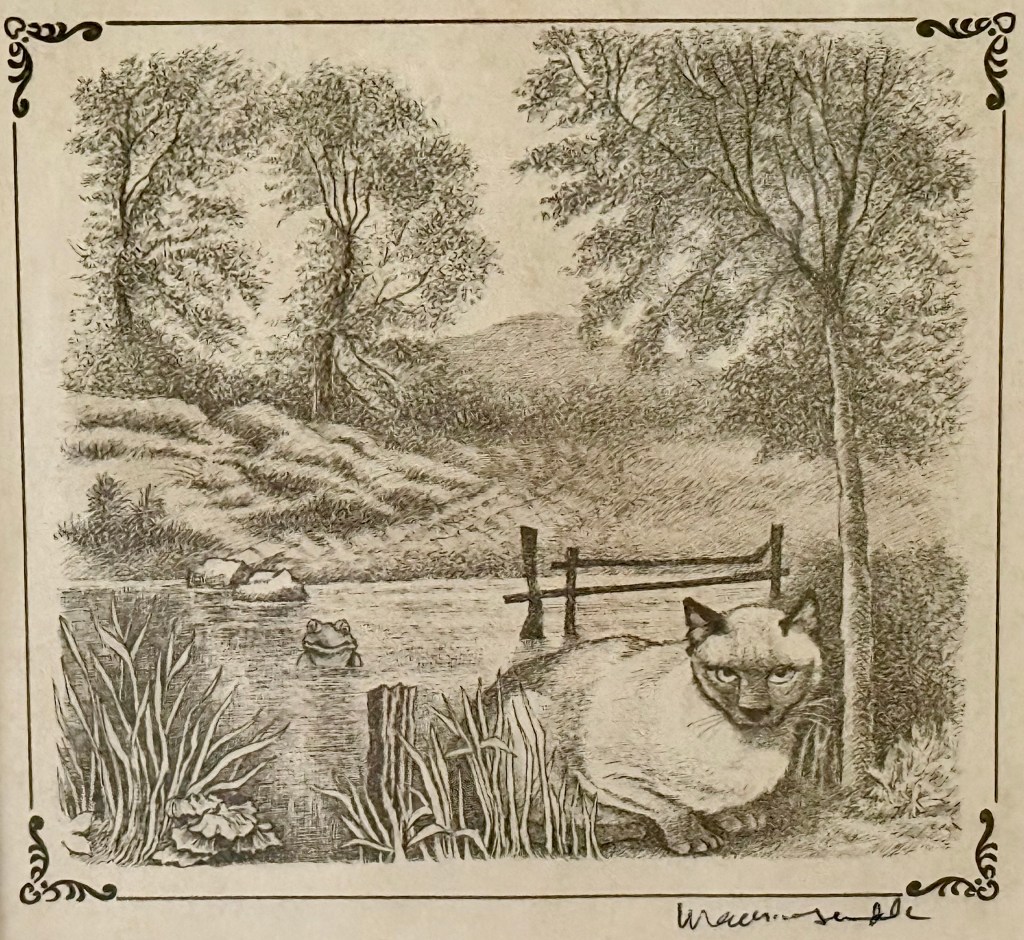
A gift from Maurice Sendak adorns my wall in South Miami, a favorite plate from his early book, “A Kiss for Little Bear”.
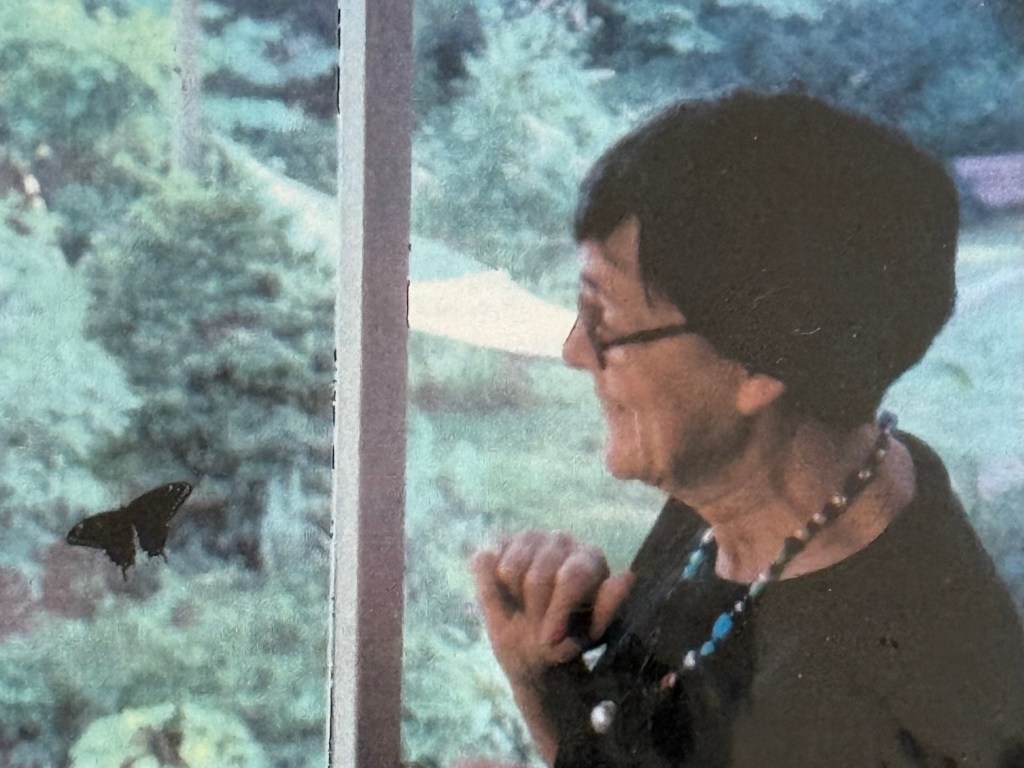
As an extra attraction for the store, Jewell raised monarch butterflies from the egg – when the caterpillars were ready to pupate she moved them to a tree branch in the front window. In a week, they would emerge as butterflies and be released. A flock of humans gathered on the sidewalk each morning to watch the butterflies emerge. Her butterfly window was featured prominently in the Washington Post.
Ted has all the good photos of Jewell with the Monarchs. This butterfly is a recently emerged Black Swallowtail that Jewell reared from an egg laid on the parsley in her herb garden.
Jewell served on all the children’s literature award committees including for the Caldecott and Newbery Medals. A master of digital bookstore management, Jewell carried five digital devices wherever she traveled.
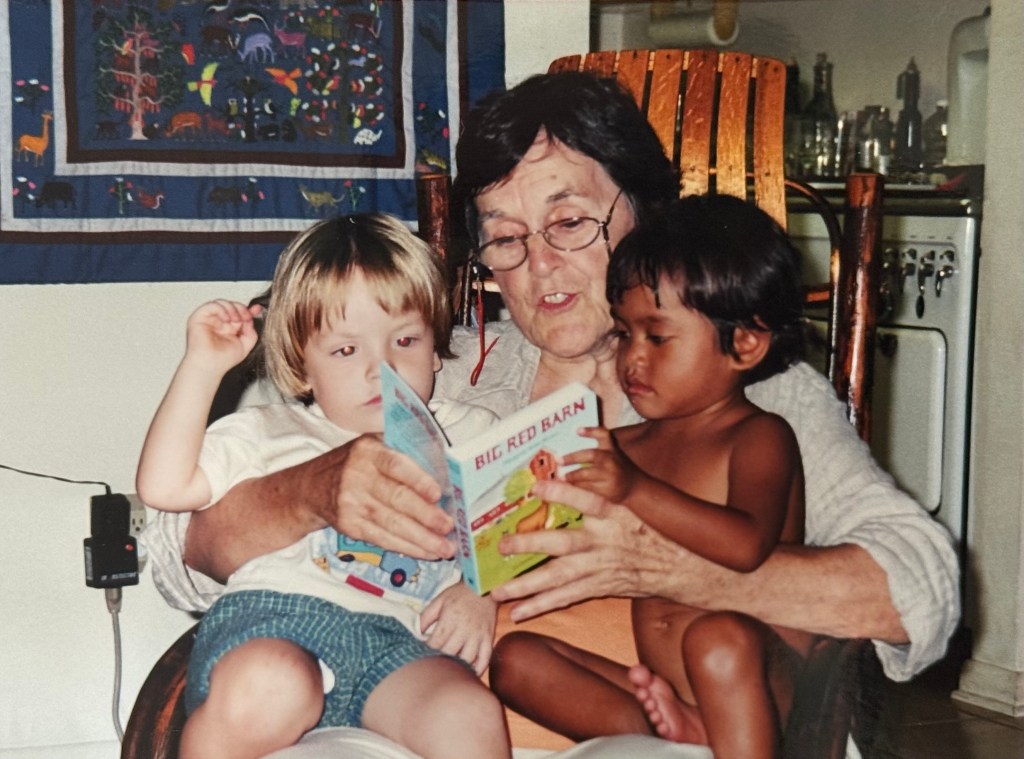
Jewell reading to her granddaughter Vannak and V’s friend Shawn. At two, Vannak greatly preferred books to clothes. In the lower left you can see the charging cords for some of Jewell’s assorted devices.
Jewell ran the Cheshire Cat for 22 years before closing up shop and moving her inventory and staff to Politics and Prose (P&P), farther down Connecticut Ave. In her first year in the basement at P&P she sold a million dollars’ worth of children’s books; the owners said “We’ll get you anything you need.” Jewell retired from P&P at the age of 80.
In her spare time, Jewell was a gourmet cook, a consummate gardener, and a voracious reader.
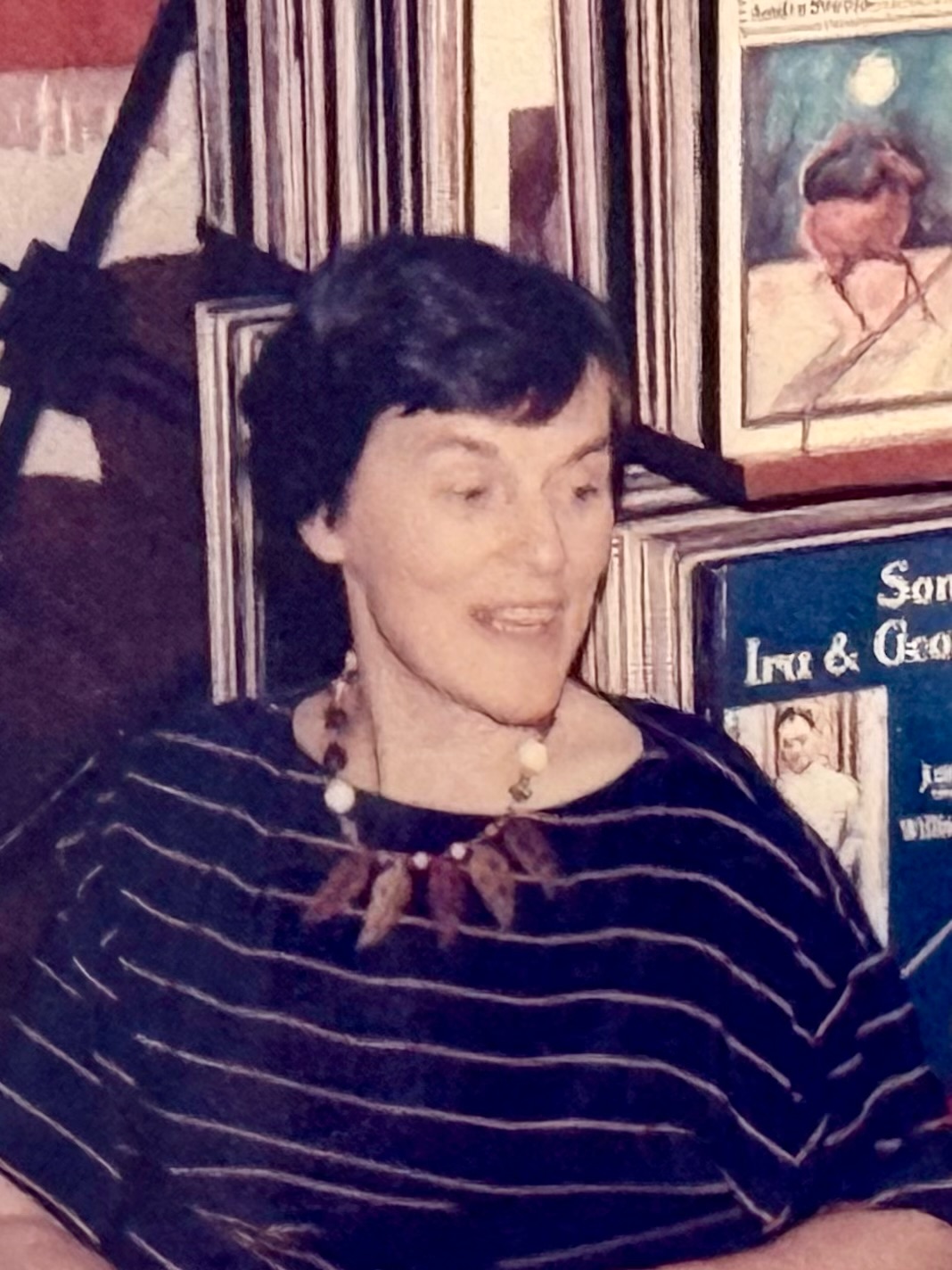
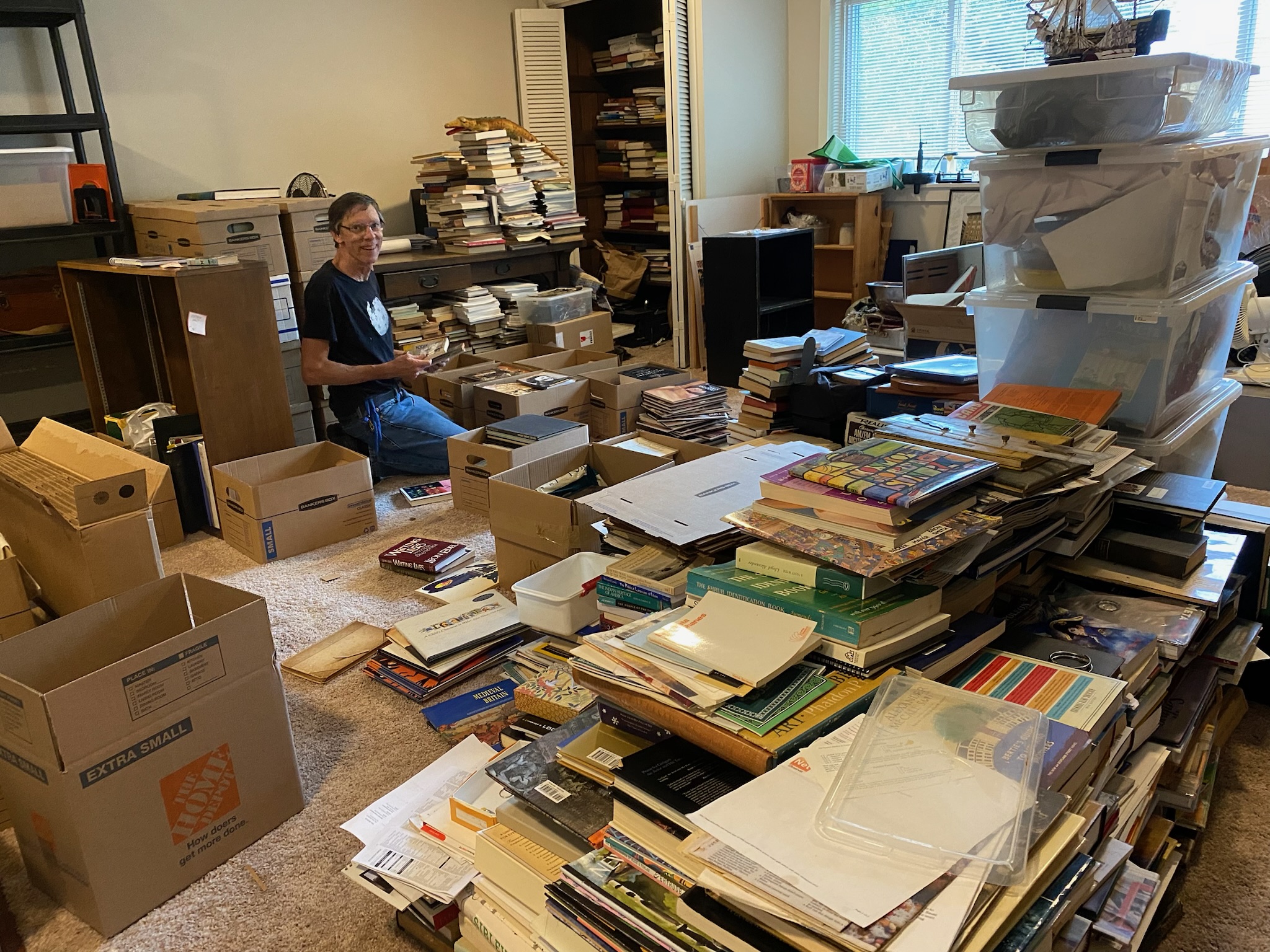
Here I sort just some of Jewell’s books after their move from Turner Lane to a single storey house in Silver Spring..
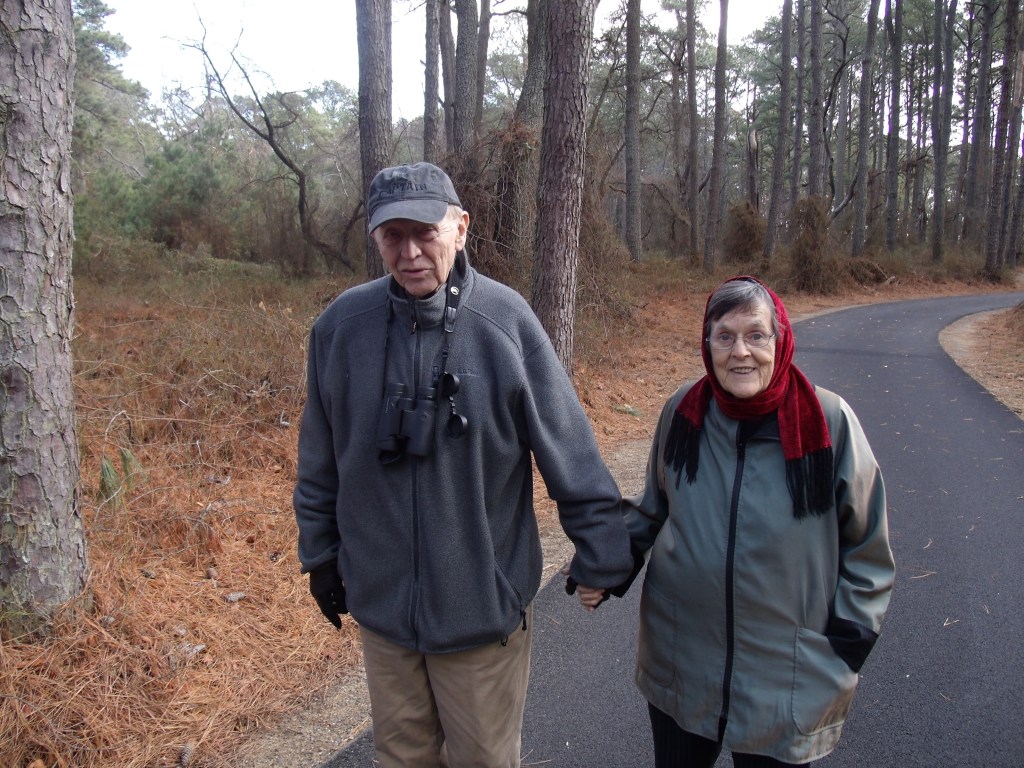
Jewell loved going for walks in Rock Creek Park, Hughes Hollow, Chincoteague, and her native South Carolina pine woods. In her back yard on Turner Lane, she created a wildflower garden of native plants that she salvaged from the immediate path of the Capitol Beltway through Rock Creek Park.
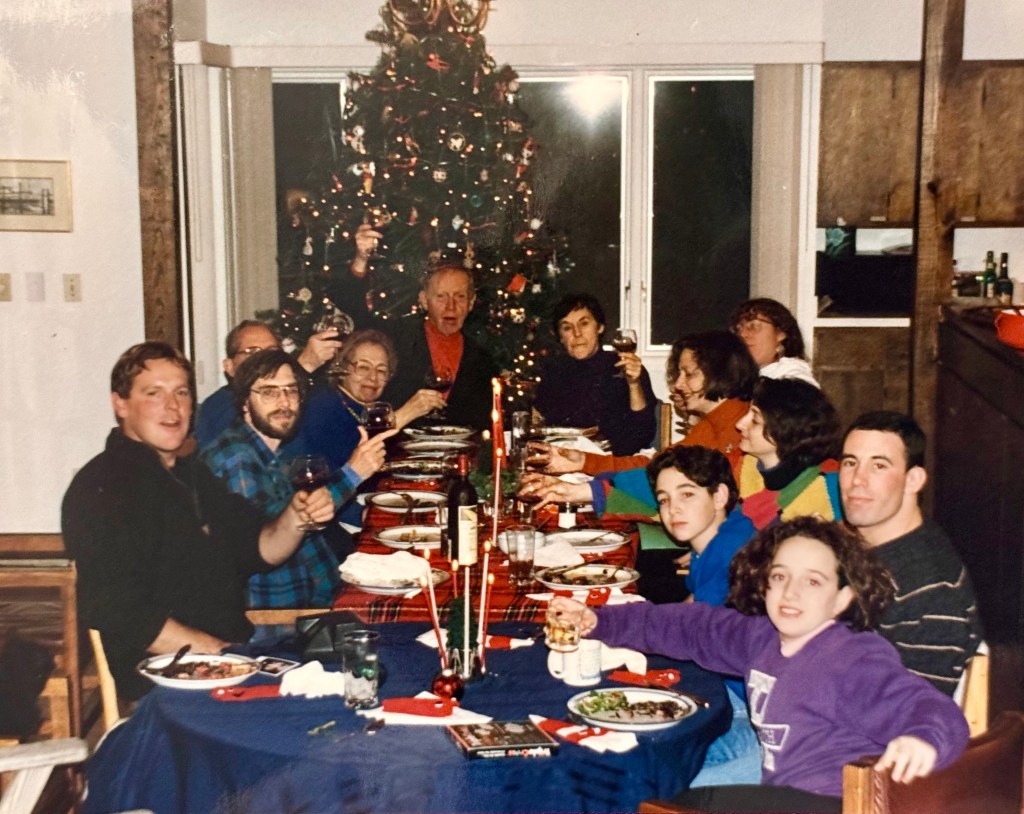
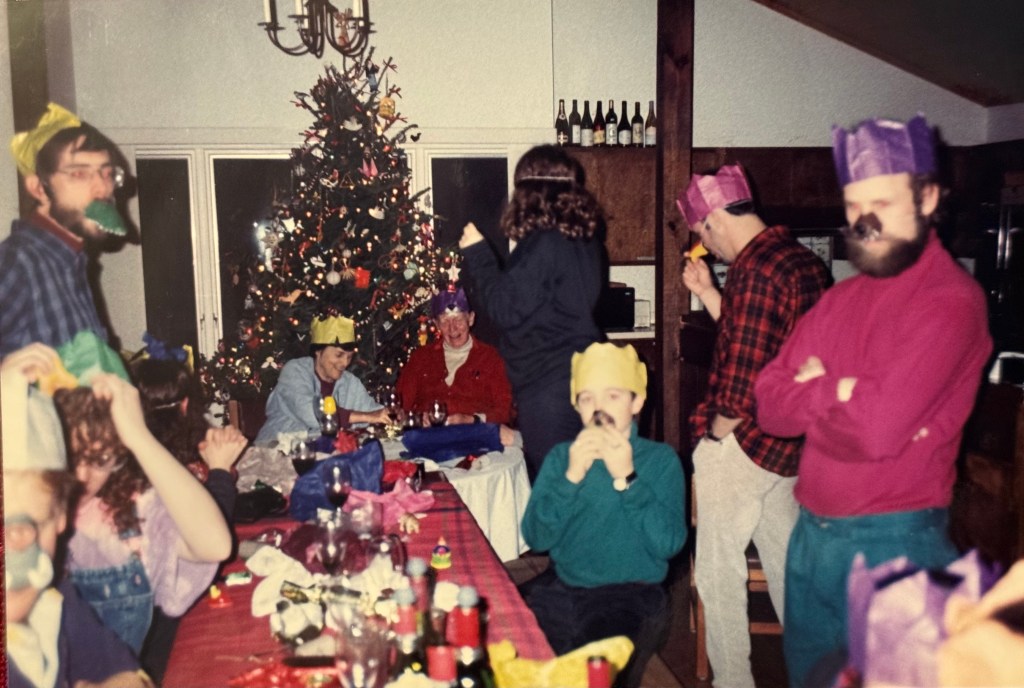
Sticking around Washington on Christmas Eve was hard for Jewell, so in 1967 she decided we should blow town and escape to Chincoteague Island for the holiday. Within a year, the extended family had joined us. “Chincoteague” evolved into special week of walks, feasts, and revelry, a tradition closing in on six decades.
Chincoteague Christmas feast, Jewell style.Jewell also facilitated silliness, providing everyone with tissue paper crowns and rubber animal noses. That’s her in front of the Christmas tree.Ted and Jewell walking at Chincoteage National Wildlife Refuge.
* * *
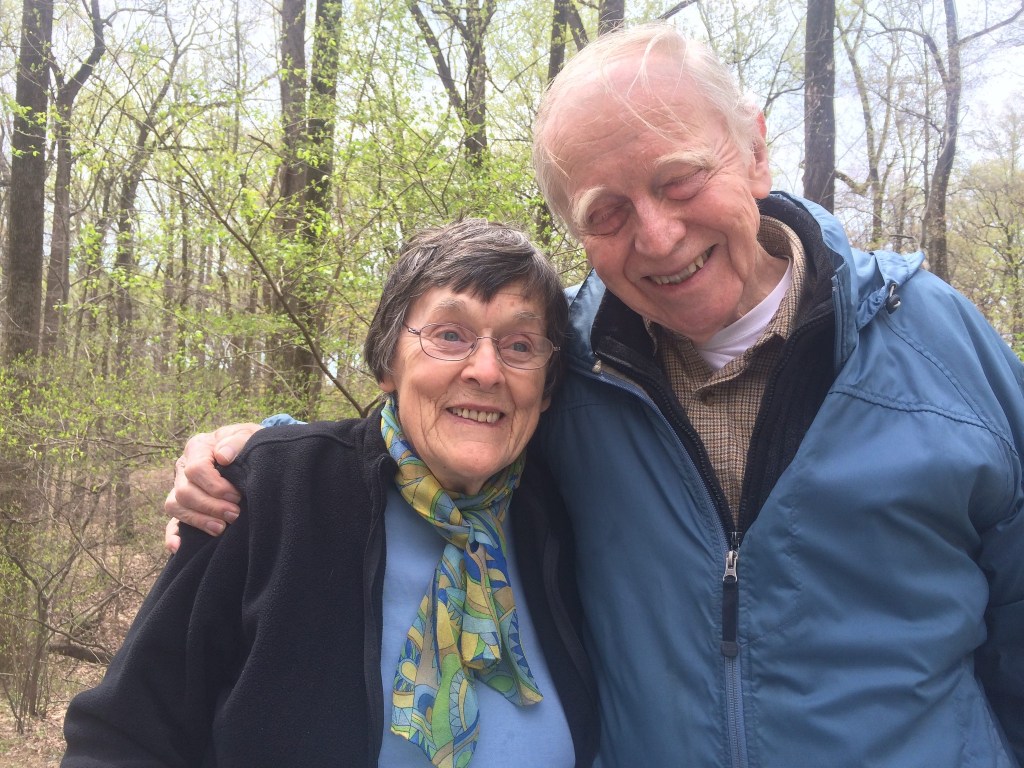
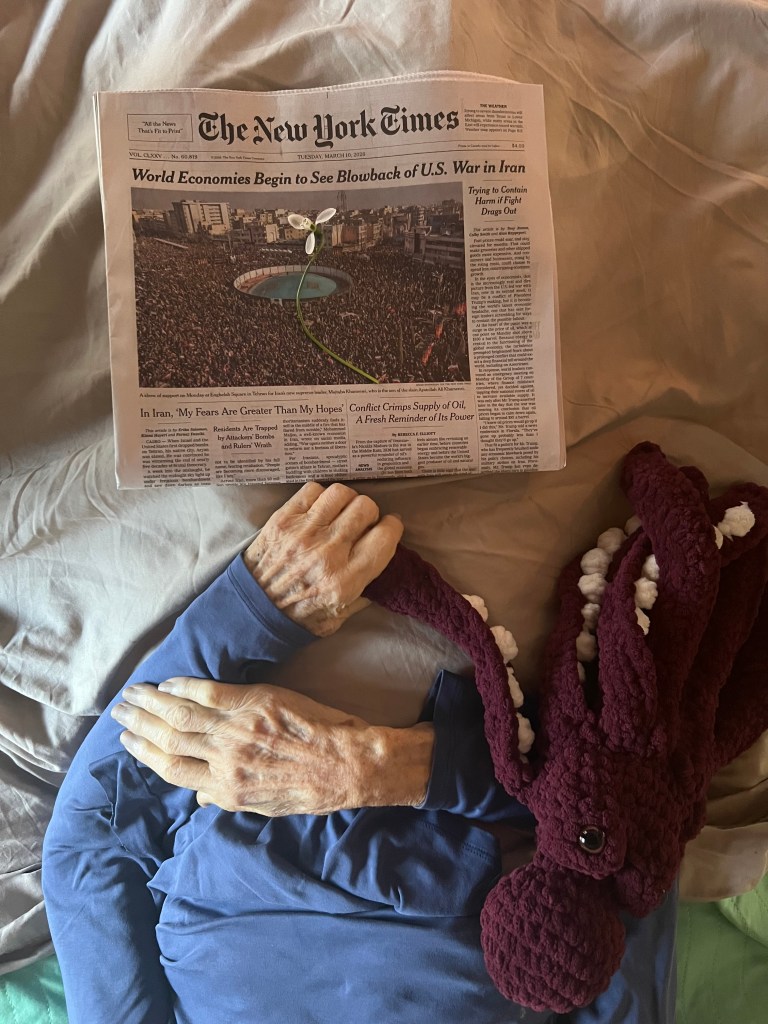
On March 10, 2026, Jewell passed away, surrounded by family in a house in the woods, a setting she described as “the best vacation ever”. She was 92, five days shy of her and Ted’s 64th wedding anniversary.
Jewell leaves behind her husband Ted (99), her two sons, me and Andrew, and a passel of well-read grandchildren, great nieces, great nephews, and so on.
Jewell didn’t want a funeral but we figure we can get away with a potluck remembrance lunch for family and close friends. Such is planned for April 12, 2026.
Jewell with her beloved NY Times and stuffed octopus, 10-Mar-2026

 Eye of the Cormorant