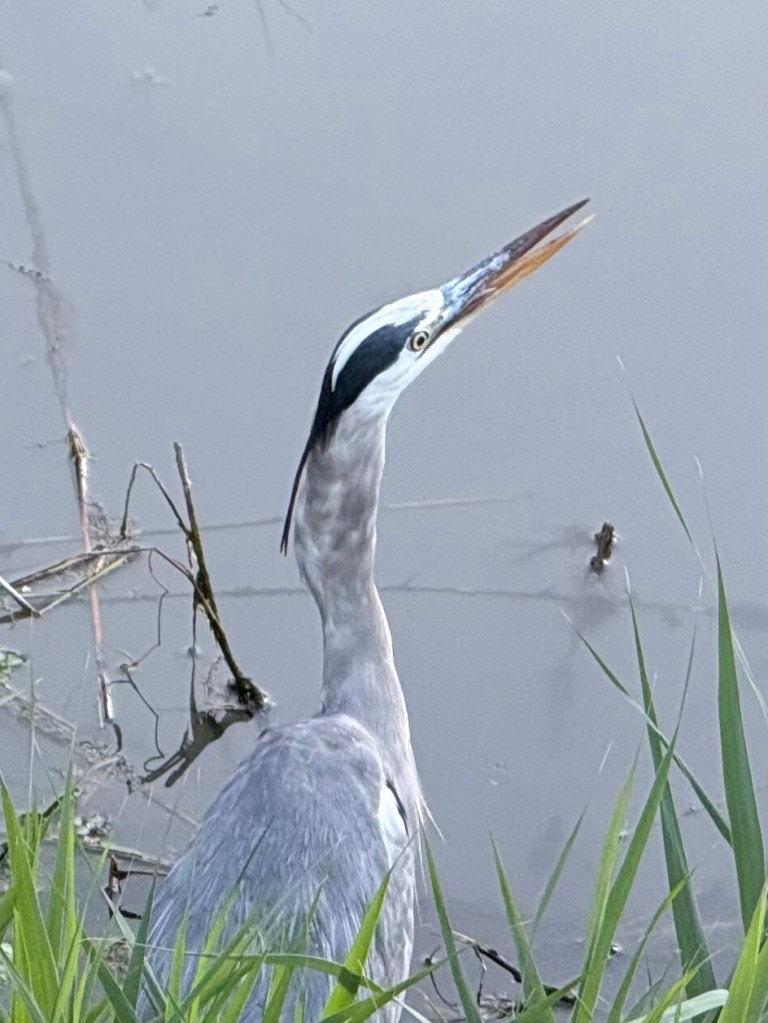
Eye of the Cormorant

another odd bird who chases fish.

Tag: birds

  • Yucatan 1: The Butterfly Effect

    Yucatan 1: The Butterfly Effect

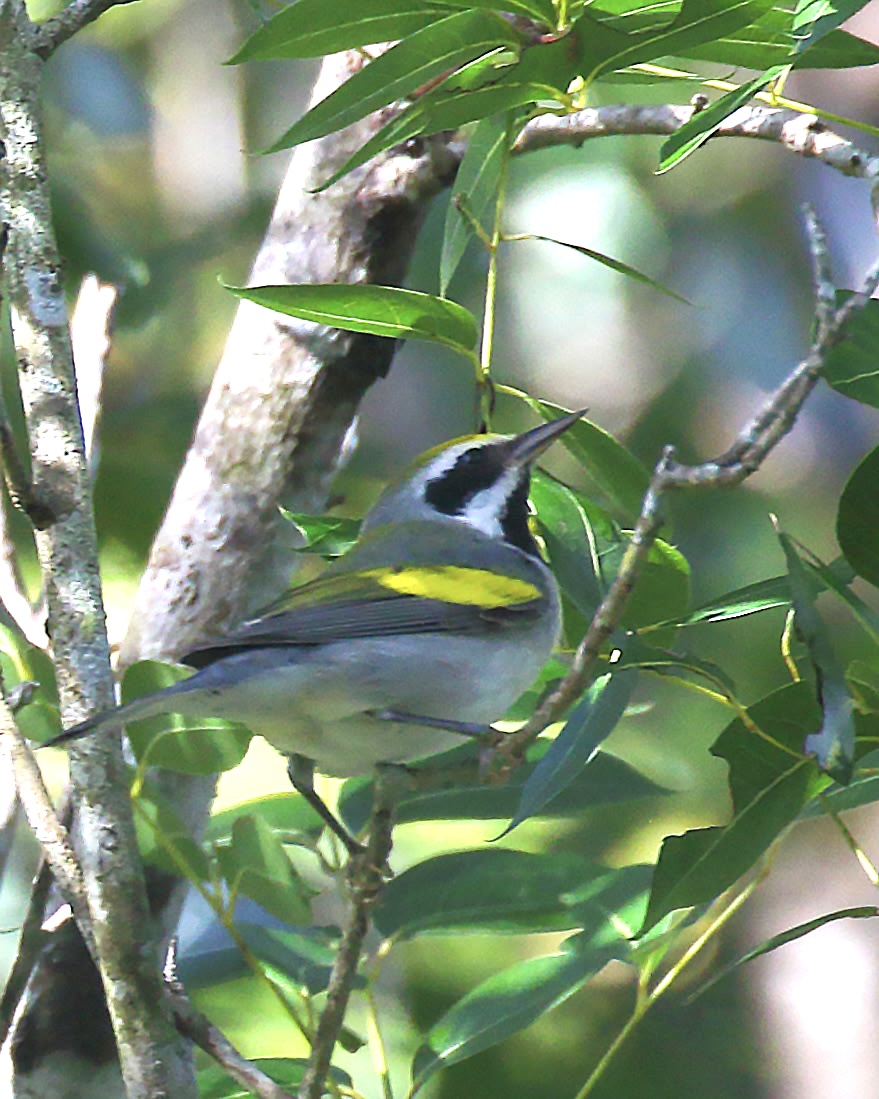
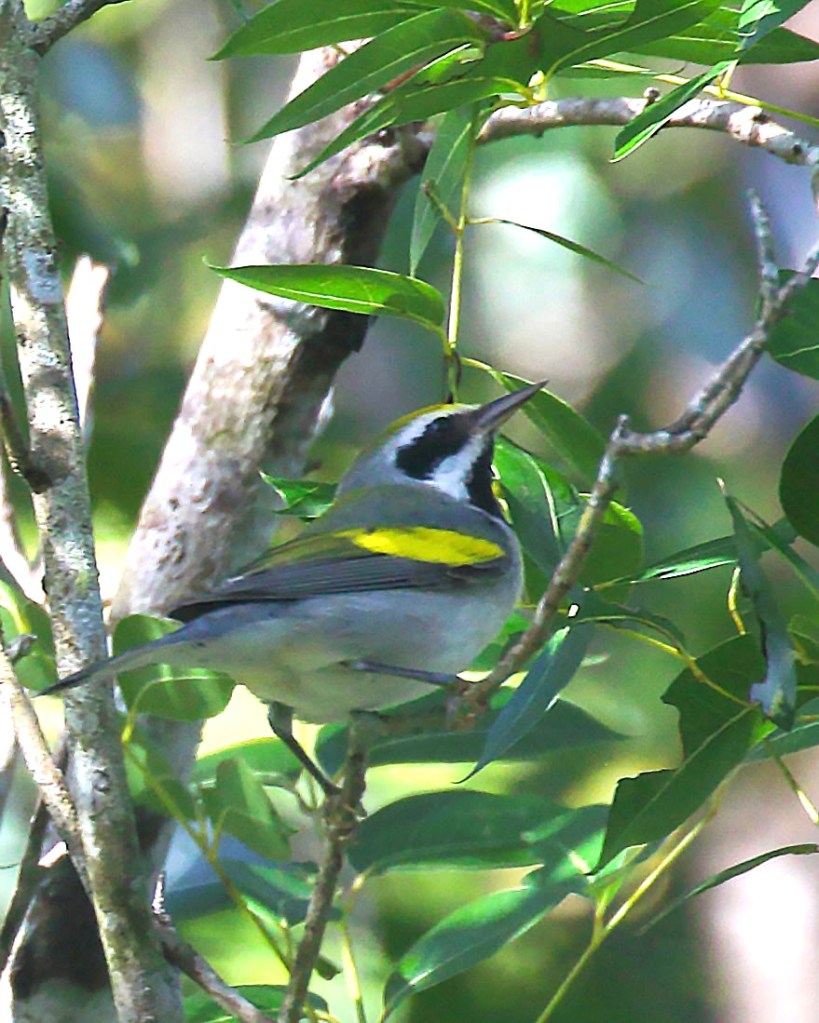
    On the morning of 3 October 2025, I spotted a woman alone in the park across the street from our house. A pair of binoculars hung from her neck and she cradled a camera with a long lens. I always say ‘hi’ to birders in the park. Andrea Diamond, bubbling with excitement, told me she’d just spotted a Golden-winged Warbler, the first rare bird she had discovered on her own.  

    I came to know this elegant songbird during my childhood summers at a wildlife camp in West Virginia, but I had never seen one in Florida. Andrea relocated it quickly and I renewed my acquaintance with an old friend.

    Golden-winged Warbler in All American Park, South Miami. Photo by local birder Himanshu Gupta.

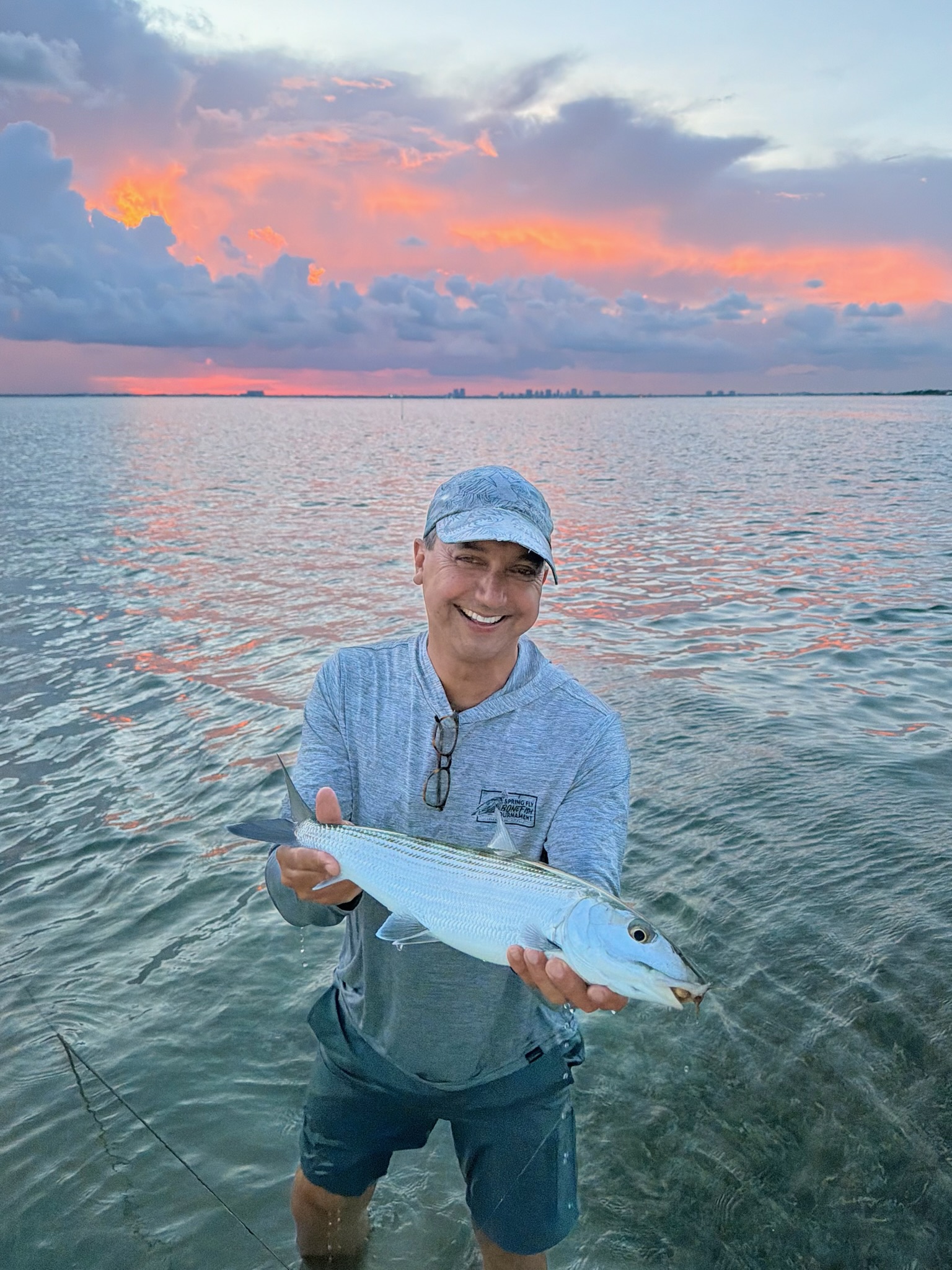
    For the next three days, South Florida’s birders flocked to the park and I became the Golden-winged Warbler Ambassador. Juan Valdez, one of the many birders who came to look for the warbler, also turned out to know the native plants. I learned that he works as an art museum curator and…wait… he fly fishes Biscayne Bay. Clearly my kind of guy.

    Since then I have entertained Juan through The Eye of the Cormorant and he has delighted me with photos and texts when his fly fishing skills produce a particularly splendid result.

    Juan with a bonefish caught on fly in Biscayne Bay.

    Fast forward to late June of this year. Juan phones me one evening to say that his friend Andy had booked a week at a fancy fly fishing lodge in the Yucatan, but cannot go. Andy offered the trip to Juan, but Juan can’t go either. In the unlikely event that I am free the second week of August the trip is mine.

    Playa Blanca Lodge is the sort  of place I read about online in the outfitter catalogs. I drool longingly over the descriptions, check the cost, then exhale and close the webpage. With this gifted package I just had to get myself from Miami to Cancún, cover one night in a hotel, and tip the lodge staff and fishing guides.

    I am definitely free the second week in August.

    Wow.

    Thanks Andy! Thanks Juan!

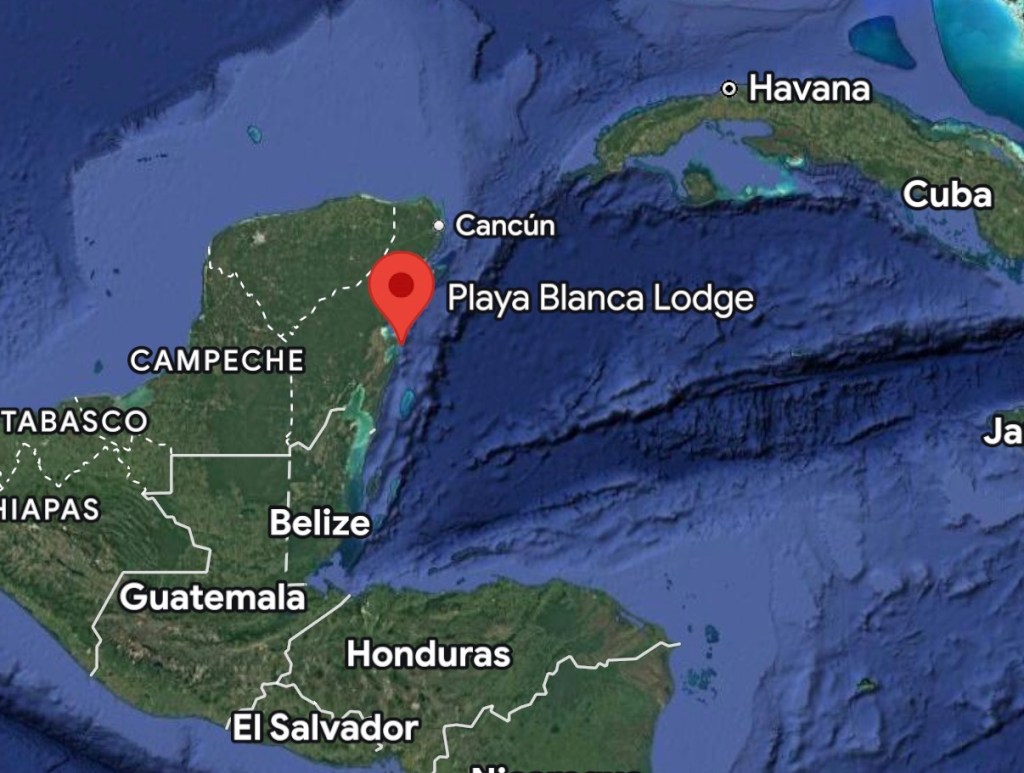
    Playa Blanca Lodge is situated in the Sian Ka’an Biosphere Preserve on the Atlantic coast of the Yucatan Peninsula, located here on Google Maps.

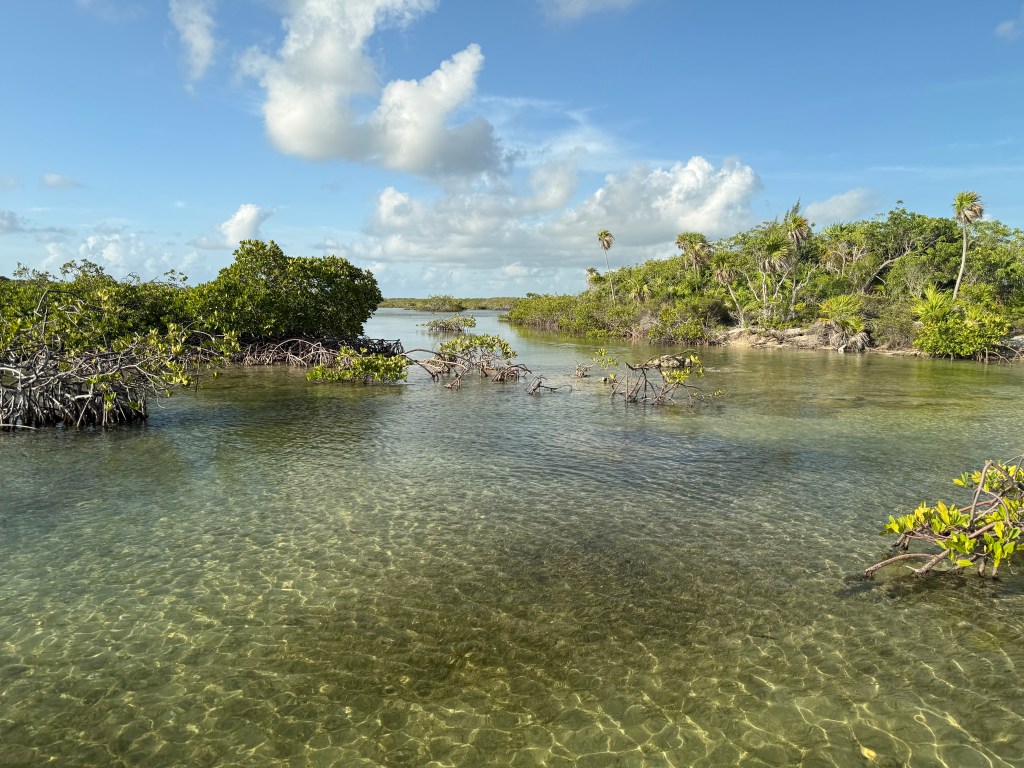
    My family visited Sian Ka’an twelve years ago while on vacation in Tulum. The Biosphere Preserve is a cross between the Everglades and the Lower Florida Keys before people made such a mess of things here in Florida. The Mayans, likewise, tried their best to screw up the hydrology of Sian Ka’an, but equipped only with stone tools and manual labor for chipping canals out of the limestone bedrock, and no artificial fertilizer to aid their agriculture, the harms they wrought were far less extensive than here in Florida.

    The lower reaches of Sian Ka’an Biosphere include Espiritu Santo Bay, home to a healthy population of Permit(Trachinotus falcatus), a game fish in the jack family. Permit are wary, strong, and fast. The Permit is infamous among fly fishers for its capricious behavior, often rejecting a perfectly delivered fly and, on rare occasion, grabbing a fly from a botched cast. Permit fight hard, and have a large repertoire of escape tactics: scraping off a fly on a coral, crushing or straightening a fly’s hook, or grinding through the nylon leader on the floor of the bay.

    A local attorney friend has been trying to catch a Permit for years with no success.

    The most accomplished fisherman in my local fishing club writes: 
    “I have presented over 1000 flies to Permit… caught one (winning a tournament in 1988) and been skunked ever since!!! There is no way I haven’t found to lose a hooked Permit!” 

    Juan recently caught a nice Permit in Biscayne Bay. He is amazing.

    With only four years of fly fishing under my belt, I consider Permit to be out of my league. I’ve seen Permit in Biscayne Bay and the Keys, but I’ve never caught one on fly or even set my mind to trying. Last spring I followed a massive Permit in my kayak for half an hour, but despite my advancing as slowly as possible, the Permit would never let me approach closer than 125 feet.

    My benefactor, Andy, who gave me his trip reservation, sent me a brief note: 

    “Catch a permit for me.” 

    Uh oh.

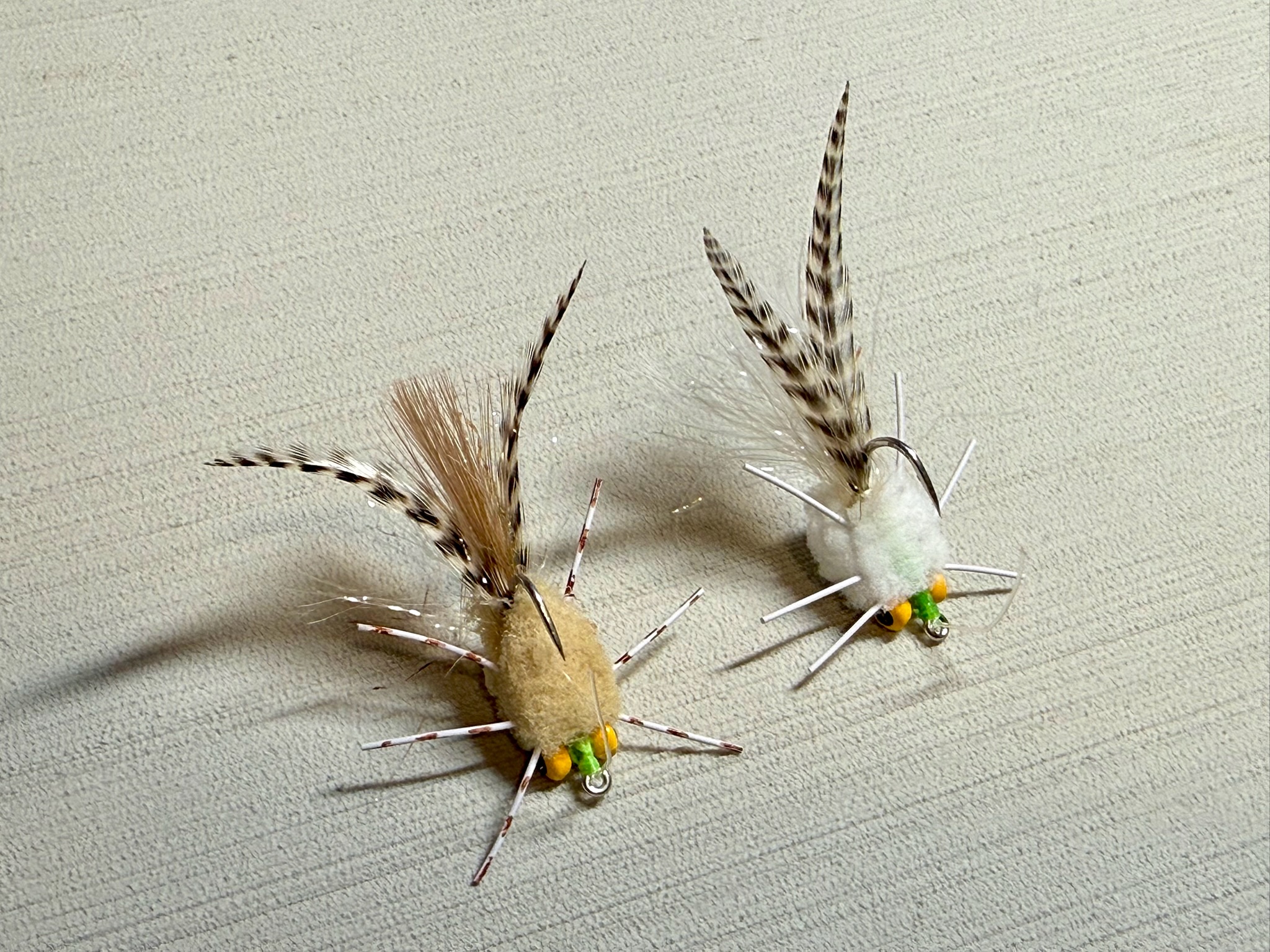
    I ordered materials to tie Permit flies, producing an assortment of weighted crabby and shrimpy things in proven patterns recommended by the trip outfitter.

    My ties of the Raghead Crab fly.

    The weighted crab flies that Permit favor are hard to cast, so I would need serious practice.

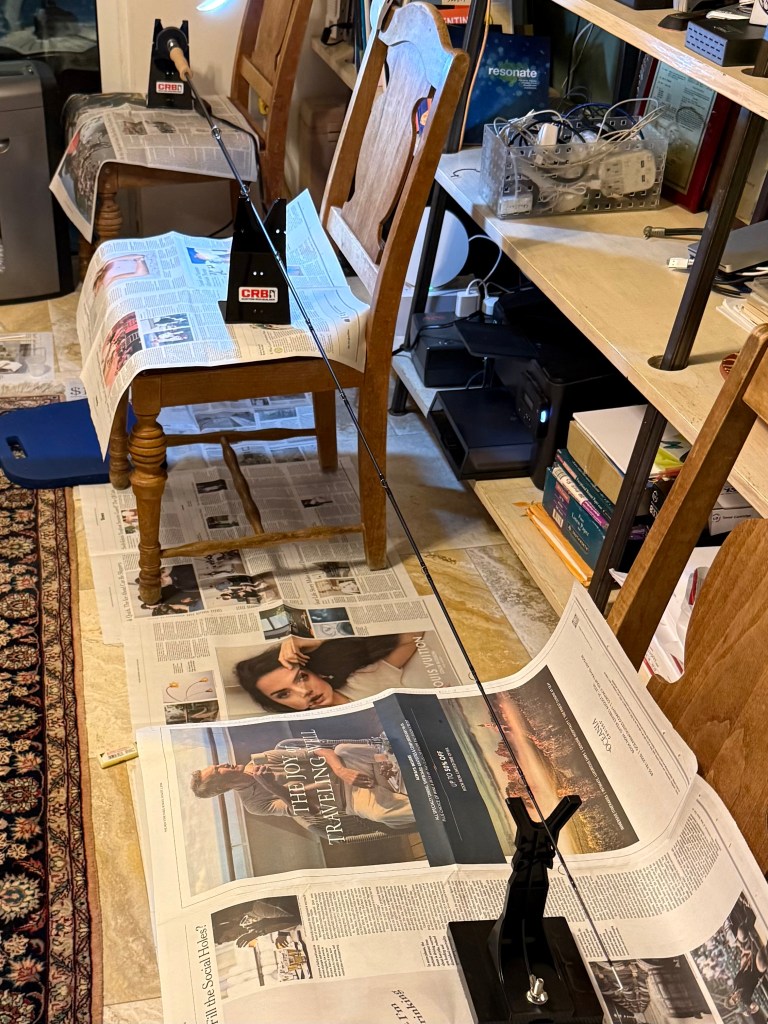
    In the vain hope of not trashing my right hand by excessively casting my fast-action 9wt fly rod, I sought a rod of similar weight but with a softer action. The company I picked had 8/9wt rod blanks available, but none assembled in the size I wanted. I had never built out a rod blank before, but I figured why would Al Gore invent the internet if not for instructing a novice such as myself?

    Here’s the newly built rod, getting its epoxy coating on a rotating machine that prevents drips.

    I left for the airport a few hours after the epoxy dried.

  • Summer yard critters

    Summer yard critters

    I seem to have sprained my hand, so no fishing report this week. I am taking this setback as a chance to see more of summer’s offerings in our wooded yard in South Miami.

    In between icing my hand and tying flies for an impending fly fishing trip to the Sian Ka’an Biosphere in the Yucatan, I have snapped opportune pics of some critters in the yard. An iPhone in the pocket favors providence.

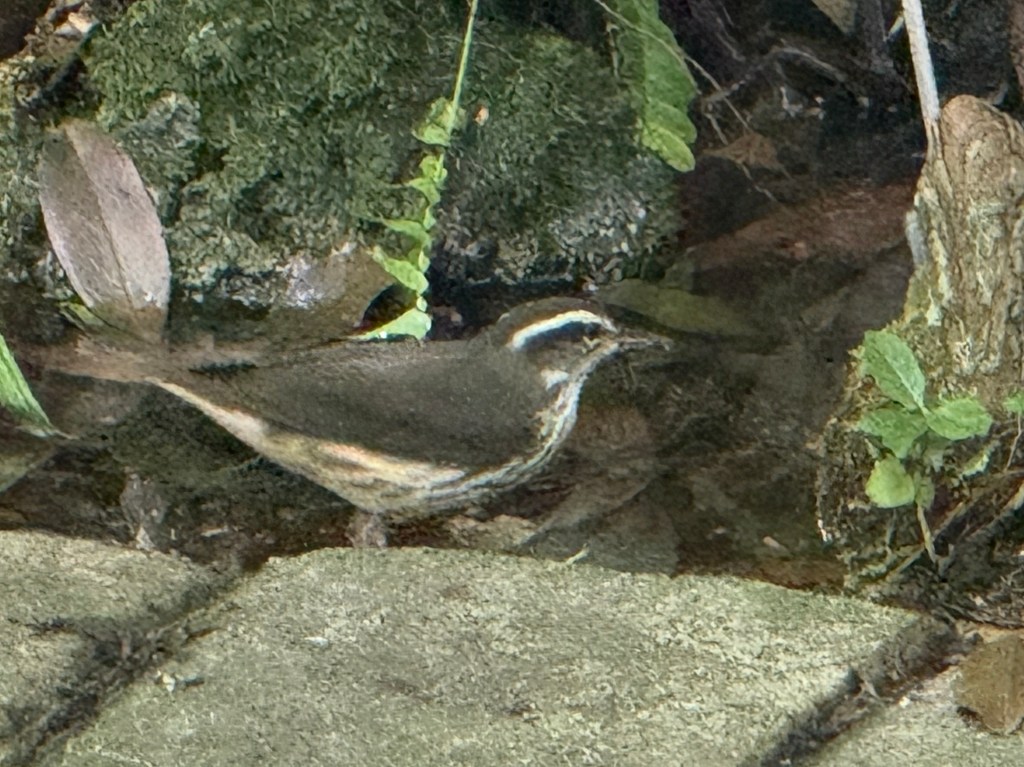
    Louisiana Waterthrush (Parkesia moticilla)

    The first fall migrant warbler in our yard is always a Louisiana Waterthrush, on their way south from breeding grounds along the Appalachians’ streams. The first waterthrush of this fall’s migration appeared during breakfast today, 30 July, alerting me with its characteristically loud and bright “chip” call. It landed on a small table by the grill, then flitted down to the water’s edge to hunt for bugs, too distant for a photo. I got this grainy shot (shade + high digital magnification) later in the morning through the glass door next to my desk. Waterthrushes constantly bob their back-ends up and down, which appears here as blur.

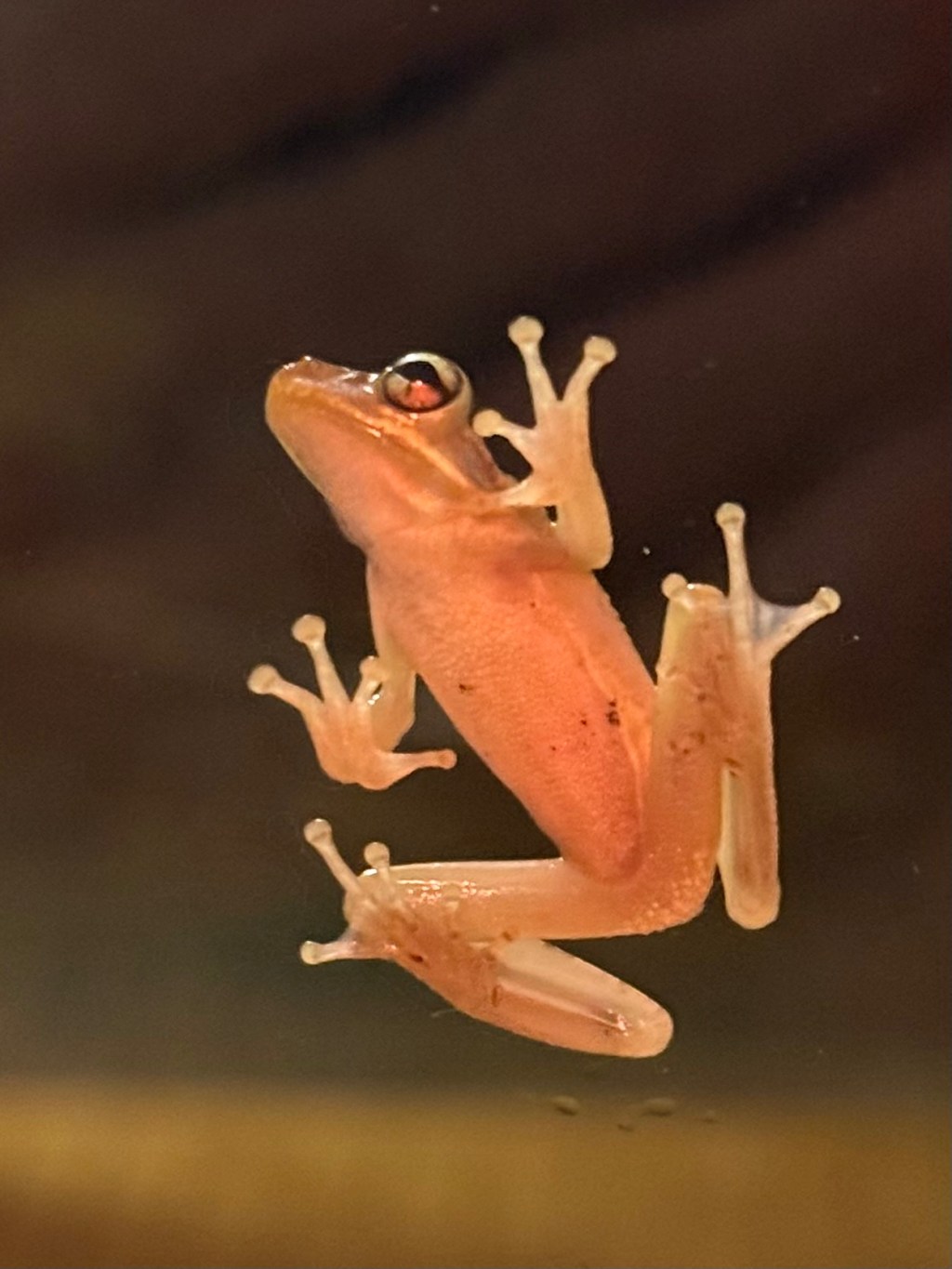
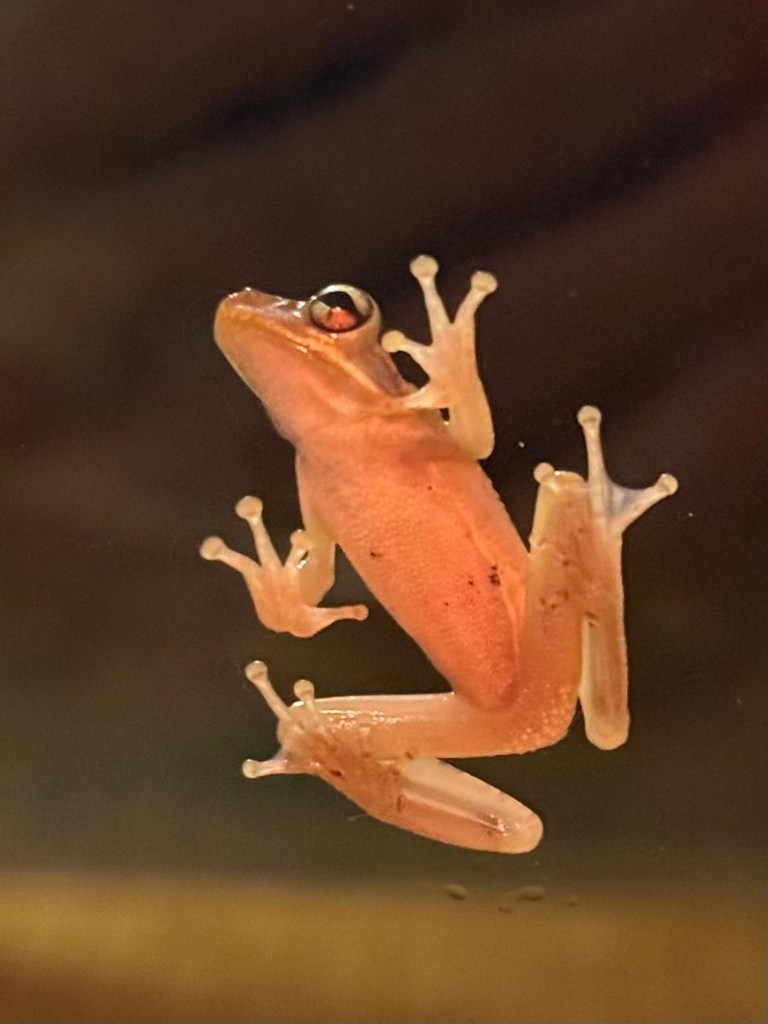
    Cuban Tree Frog (Osteopilus septentrionalis).

    A Cuban Tree Frog was spoinking around on the glass in our front door one evening, allowing this photo, taken from inside the house. These big tree frogs ate all the native tree frogs in the suburbs, so they’re all we’ve got.

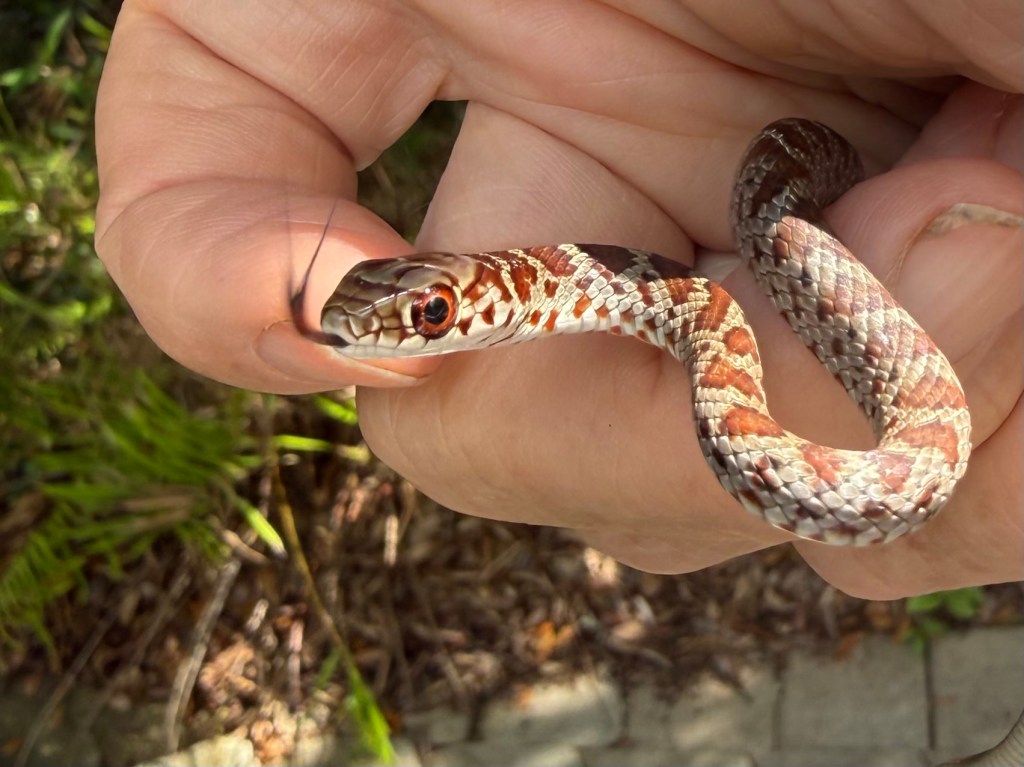
    A baby Florida Racer aka Southern Black Racer (Coluber constrictor priapus).

    I found this sweetie on the front porch hunting bugs and baby lizards. Wikipedia accurately describes its behavior:
    “Members of this species generally do not tolerate handling – even after months in captivity – and typically strike and flail wildly every time they are handled, often defecating a foul-smelling musk, a common defense against predators in snakes.”
    She chewed on my finger and made a stink, but since neither defense had any deterrent effect, she settled down enough to let me snap a photo, left-handed.

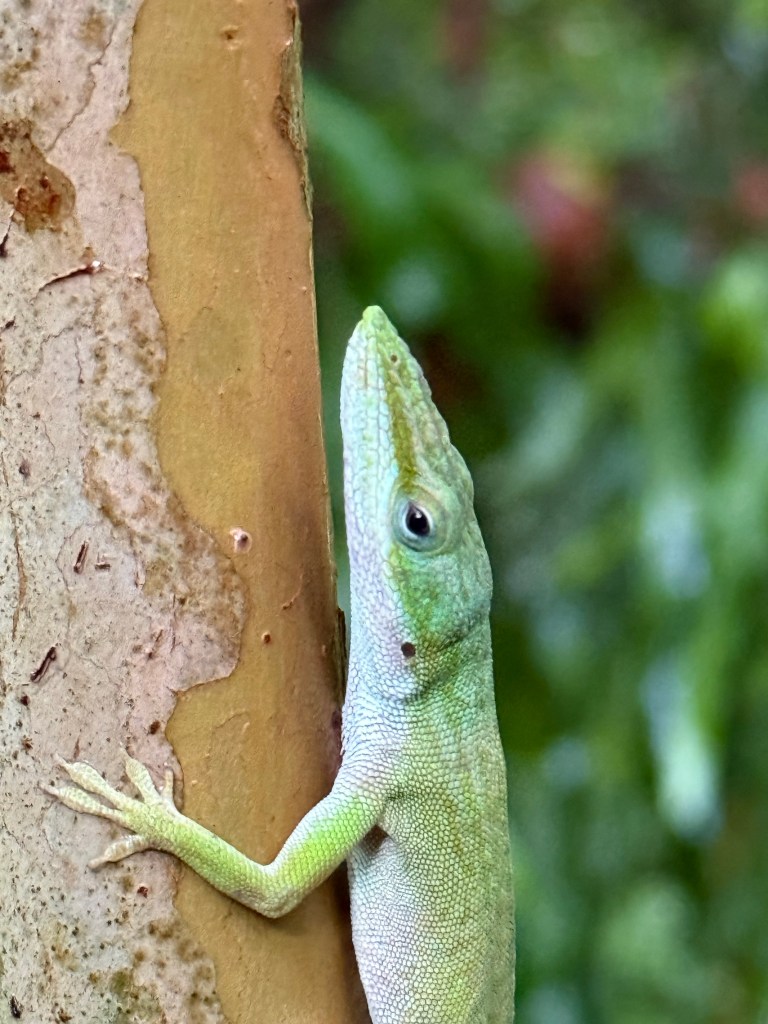
    Green Anole (Anolis carolinensis x porcatus)

    Green Anoles change color between green and brown. The Green Anoles in Miami are all hybrids between the Carolina Anole and its ancestor, the Cuban Green Anole. It coexists with the other invasive exotic anoles by holding a unique niche in the trees, often high up.

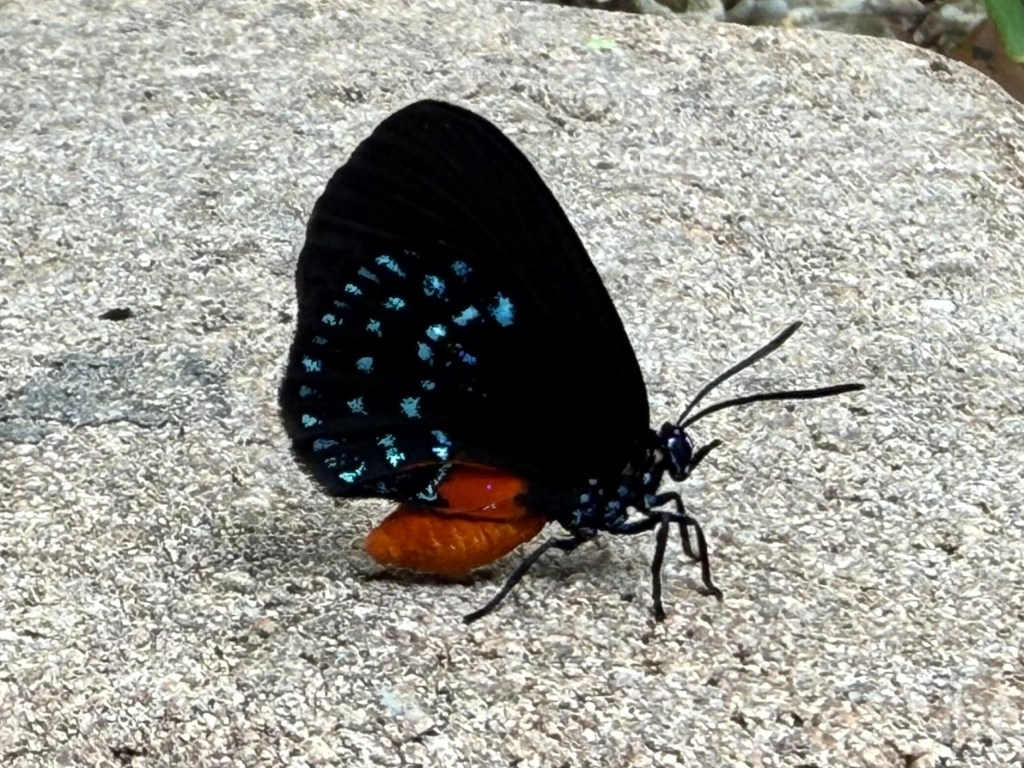
    Atala Butterfly (Eumaeus atala).

    Thought to be extinct, Atalas were saved by local naturalist Roger Hammer, who stumbled onto an unexpected pocket of survivors. Roger surreptitiously introduced their larvae into the cycad collection at Fairchild Tropical Botanic Garden, to the consternation of Fairchild’s Curator of Cycads. Atalas recovered and now lay eggs on the native cycad species, the Coontie, growing in our front yard. The larvae chew our lush Coonties to a tangle of brown stems while producing a cloud of small, colorful butterflies. The Coontie stores reserves in a big, starchy root and grows back.

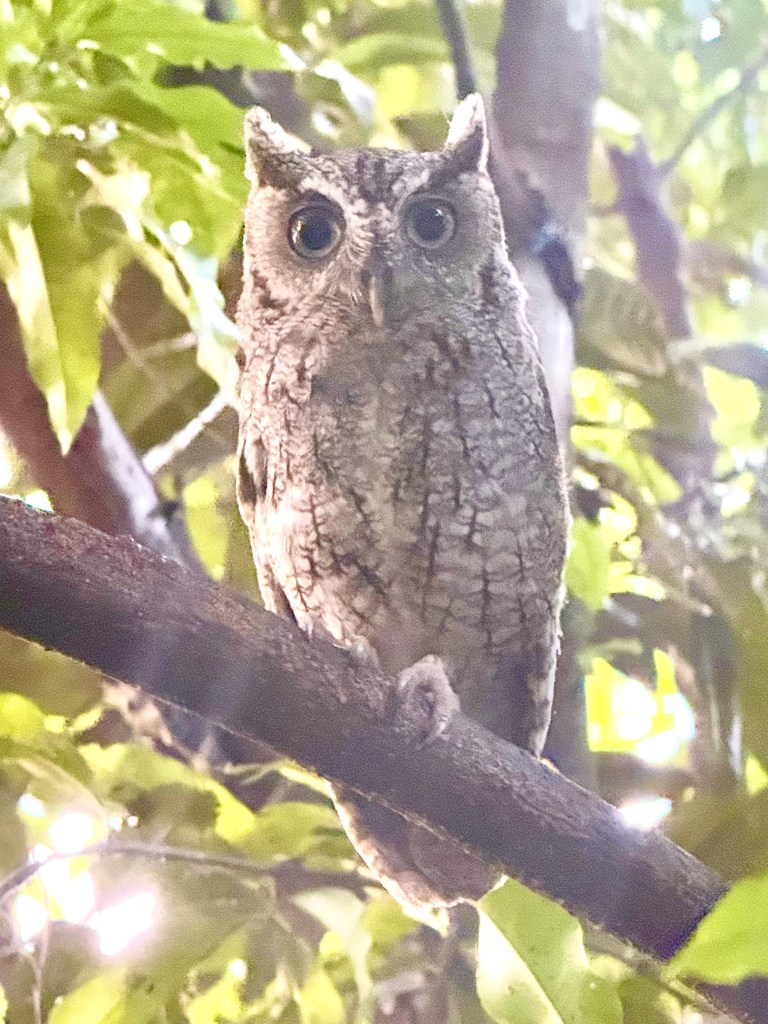
    Eastern Screech Owl (Megascops asio).

    Mr. Screech Owl revealed his location by singing in the late afternoon when I ventured behind a tree to, um, water the plants. The lighting was all wrong, but it kind of worked anyway – such is the chance encounter.

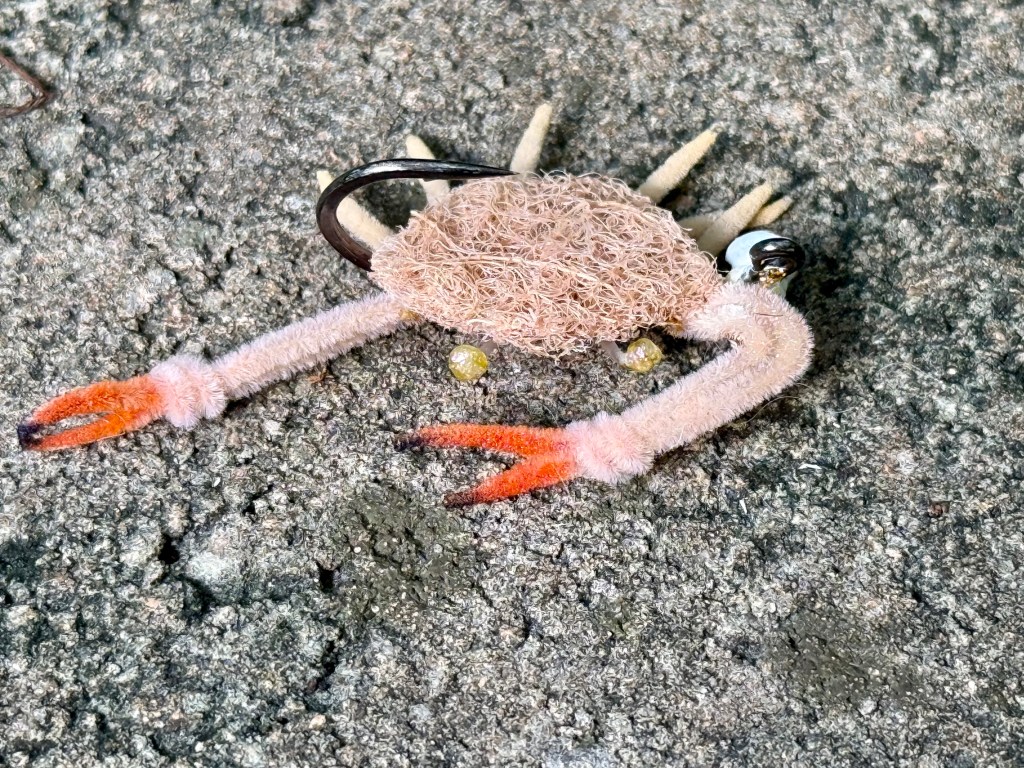
    Crab Fly

    I’ve been tying a variety of crabby-looking flies in the hopes of fooling a Permit, a big tropical fish that eats crabs but which is notoriously wary, persnickety, and difficult to catch on fly. This fly is a mix of patterns that I adapted from various tyers. The body is cut from a coconut fiber kitchen scrub pad, the legs & claws I made from a fuzzy cord called “ultra chenille”, and the eyes I made from nylon monofilament and sparkly nail polish.