Flying over the sea from Miami to Cancún, I looked down on blobs and bands of sargassum “seaweed” floating towards the shore.
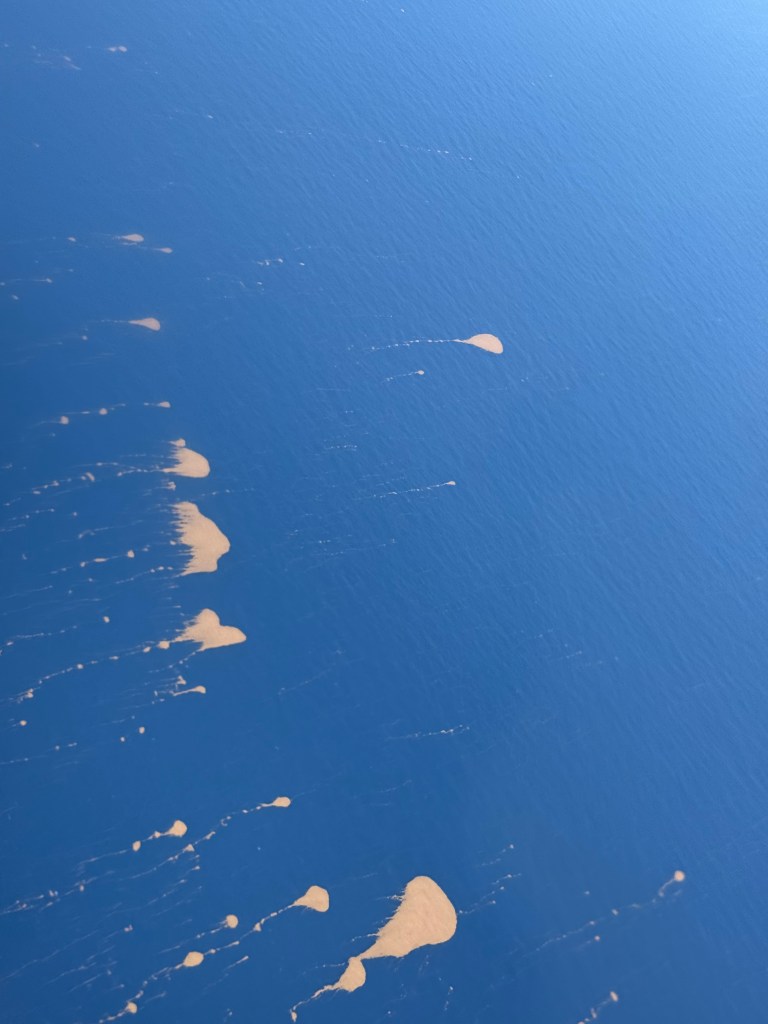
This massive sargassum outbreak is a new phenomenon, postulated to result from fertilizer run-off in the Amazon areas that have been converted to agriculture.
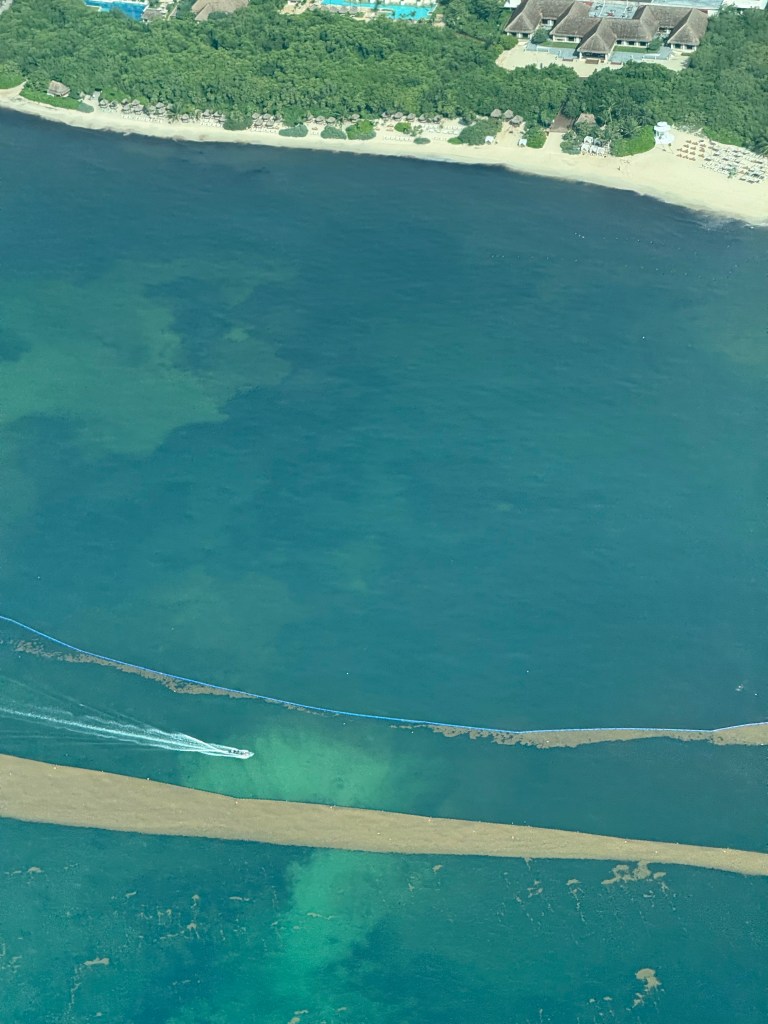
The resort cities across the Caribbean, including Miami, Cancún, and Tulum have been hit hard by sargassum washing up on the beaches, rotting and stinking. In Mexico, resorts are being protected by floating barriers designed to keep sargassum away. They do their best to intercept it at sea and haul it away before it can wash ashore. In the US sargassum has rights.
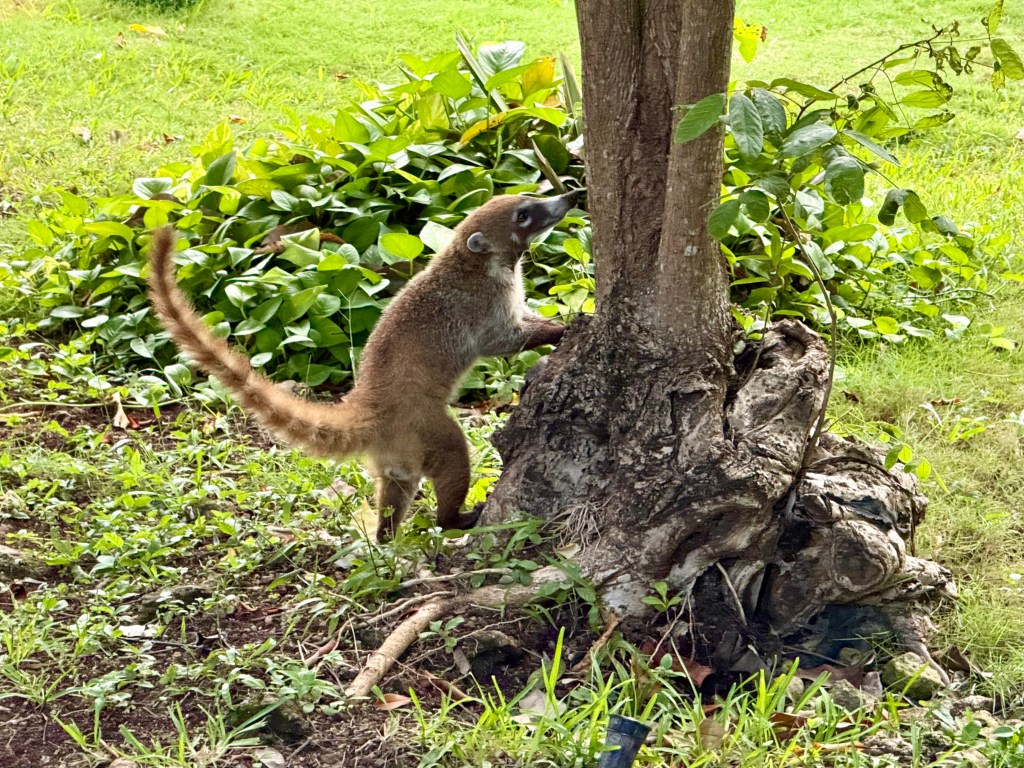
I had one night in Cancún before taking a puddle-jumper south to Punta Pajaros in the Sian Ka’an Biosphere. The outfitter that organized the trip, Yellow Dog Fly Fishing, recommended the Marriott Courtyard Hotel as clean, inexpensive, and close to the airport. What the outfitter didn’t mention is that the coconut-ginger ice cream served in the hotel restaurant is over-the-moon good, the garden is full of birds, and a resident coatimundi snuffles around the garden by the pool. It’s a truly dandy place to stay overnight.
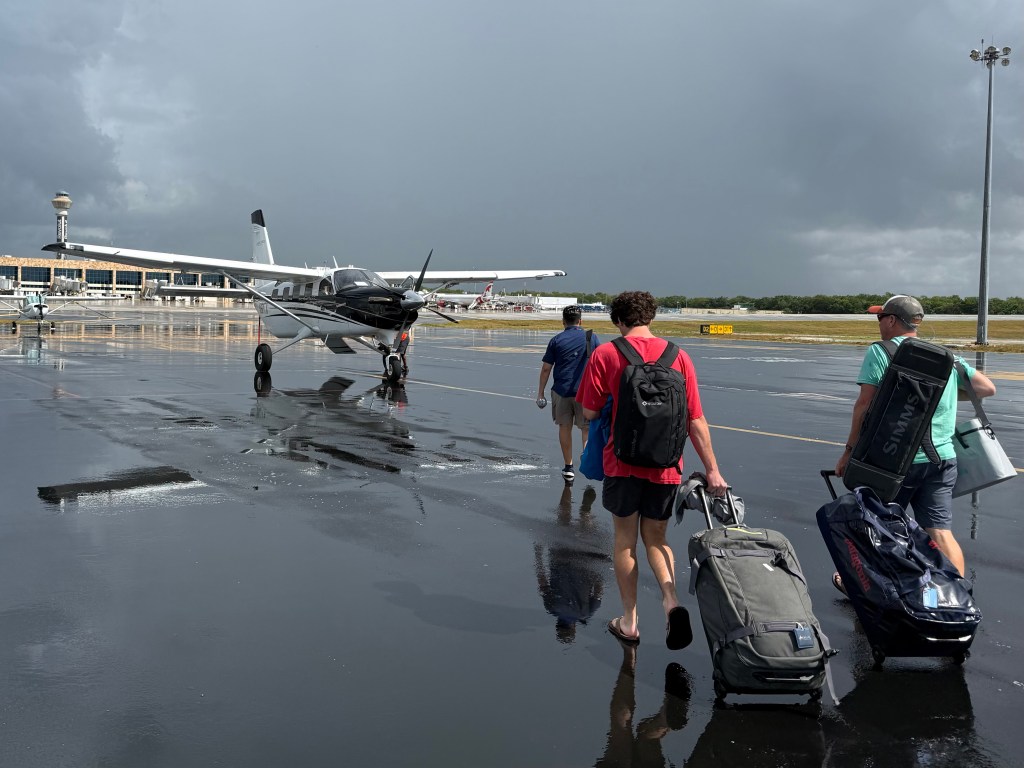
From Cancún, we took a chartered single engine plane southward 45 minutes to an airstrip at Punta Pajaros.
From the airstrip, we were ferried across a lagoon in a panga, like an oversized dorry, and rode in the back of a truck 40 minutes down a dirt track to Playa Blanca Lodge. That’s four means of transport to get to the lodge.
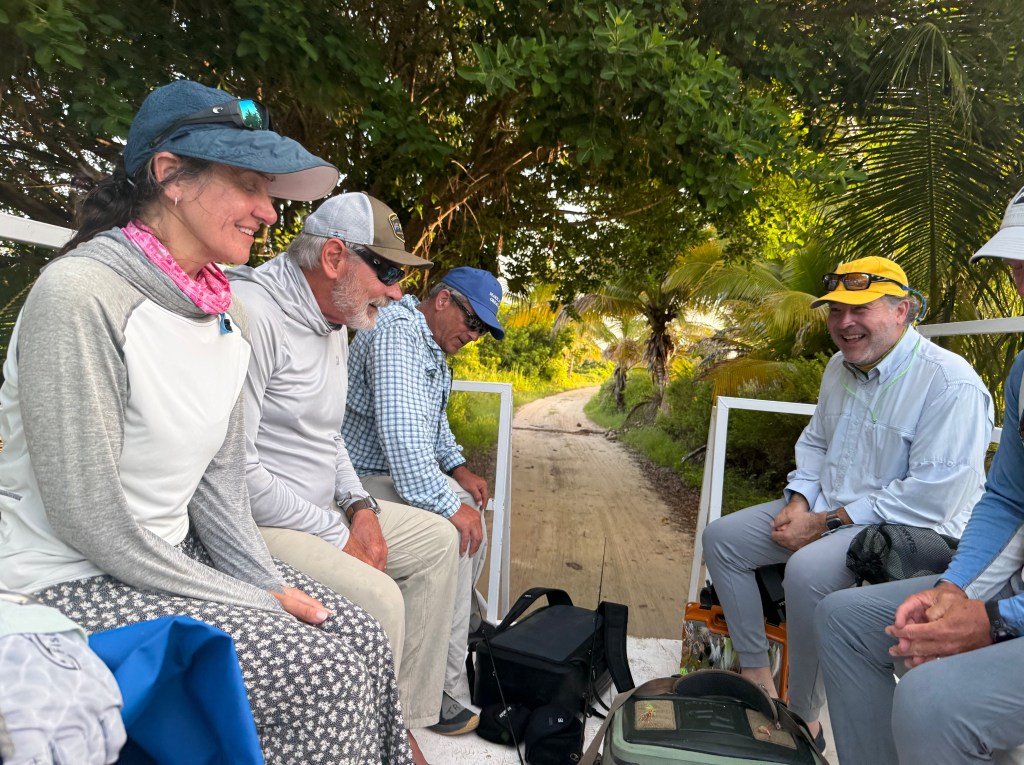
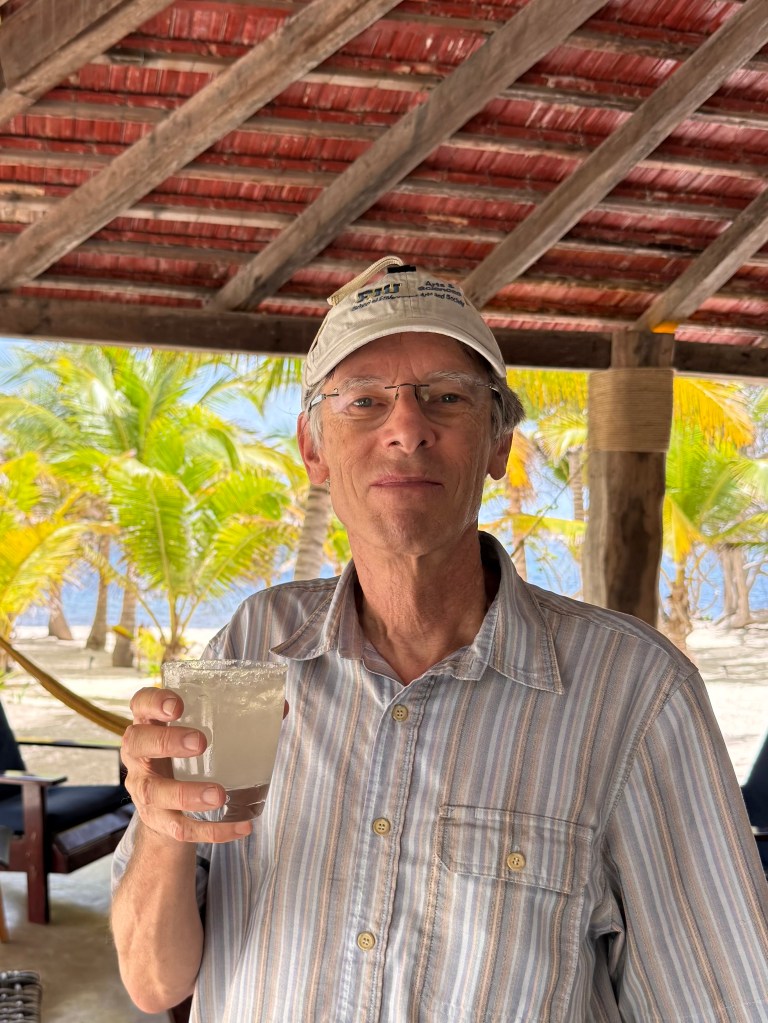
The instant we arrived at the lodge, a margarita appeared in my hand.
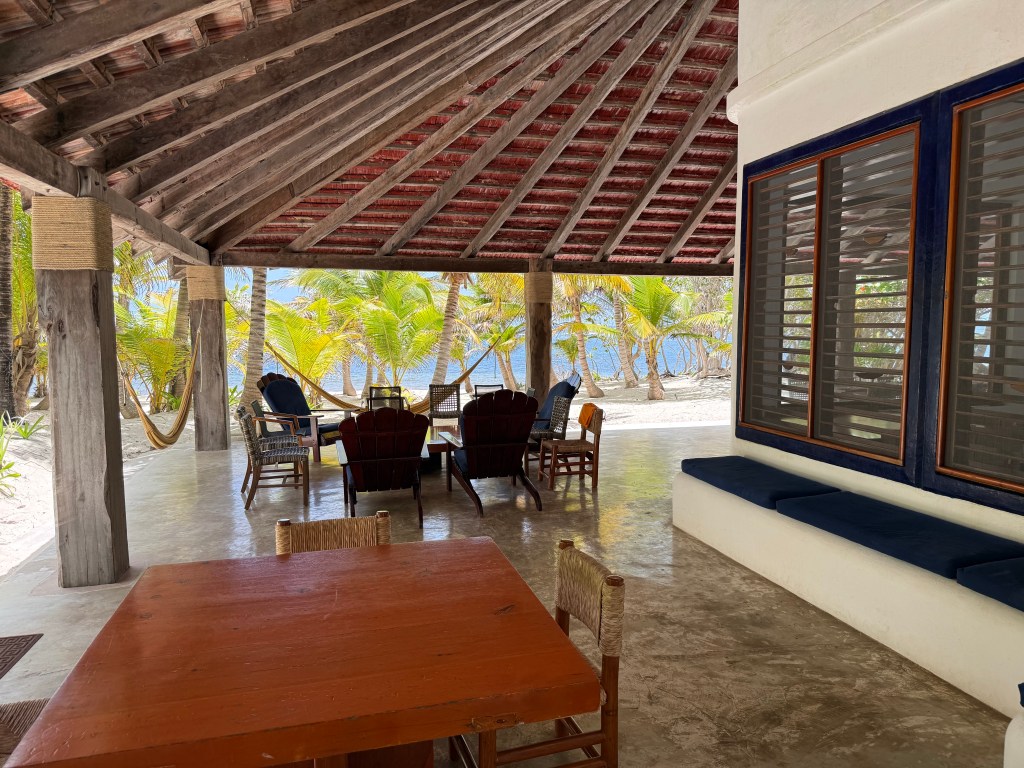
The lodge recently upgraded to solar+battery power so the mini-split AC units kept humidity low in our cottages around the clock.
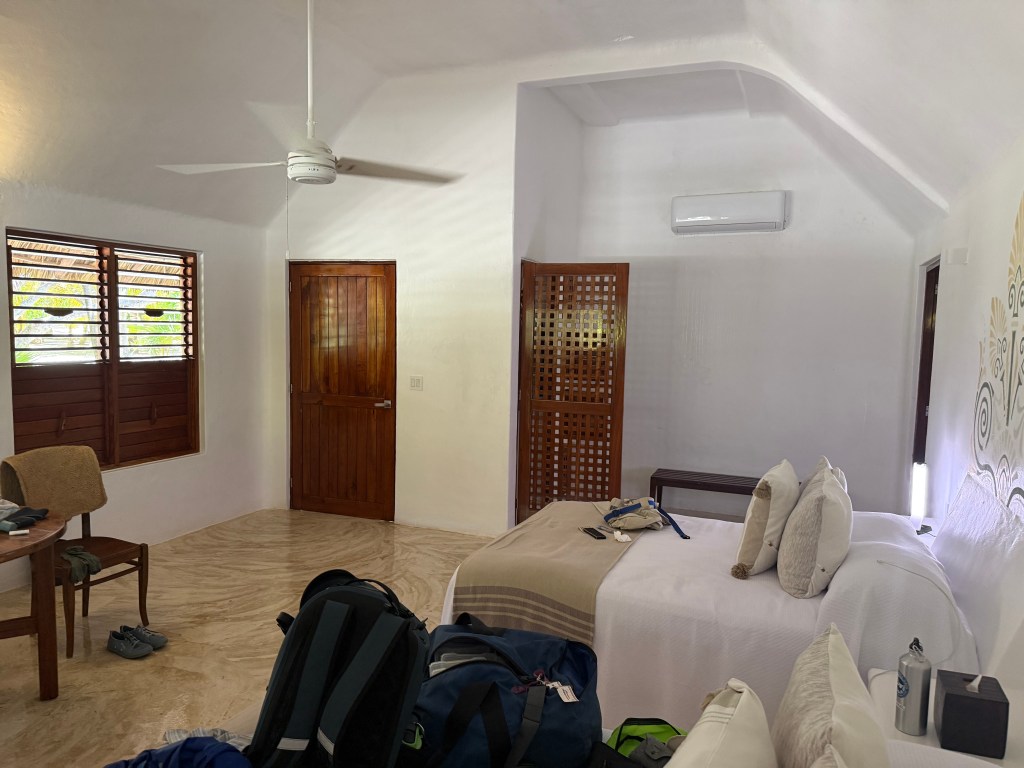
Water from the well is noticeably salty, but we had fresh drinking water available in our rooms, and hot, brackish water for showering.
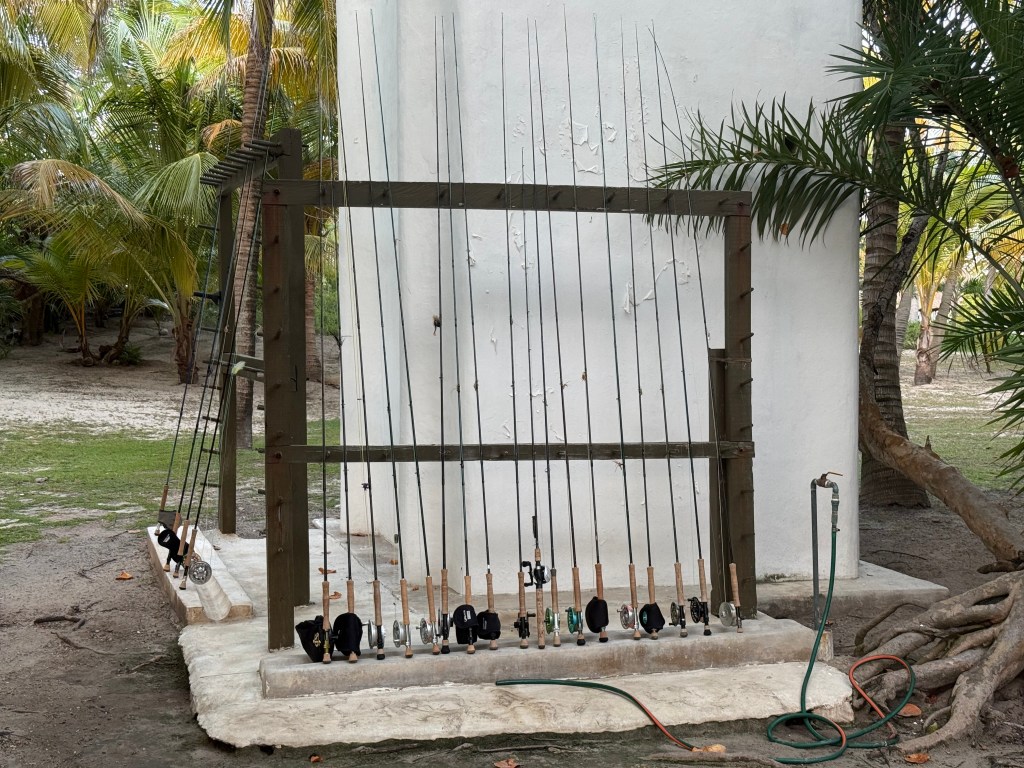
You put your rods in the rack and they get spirited to the boats before you get there, and washed down with brackish water when you return to the lodge. I removed my reels at night and cleaned the lines and reels with a cup of fresh water.
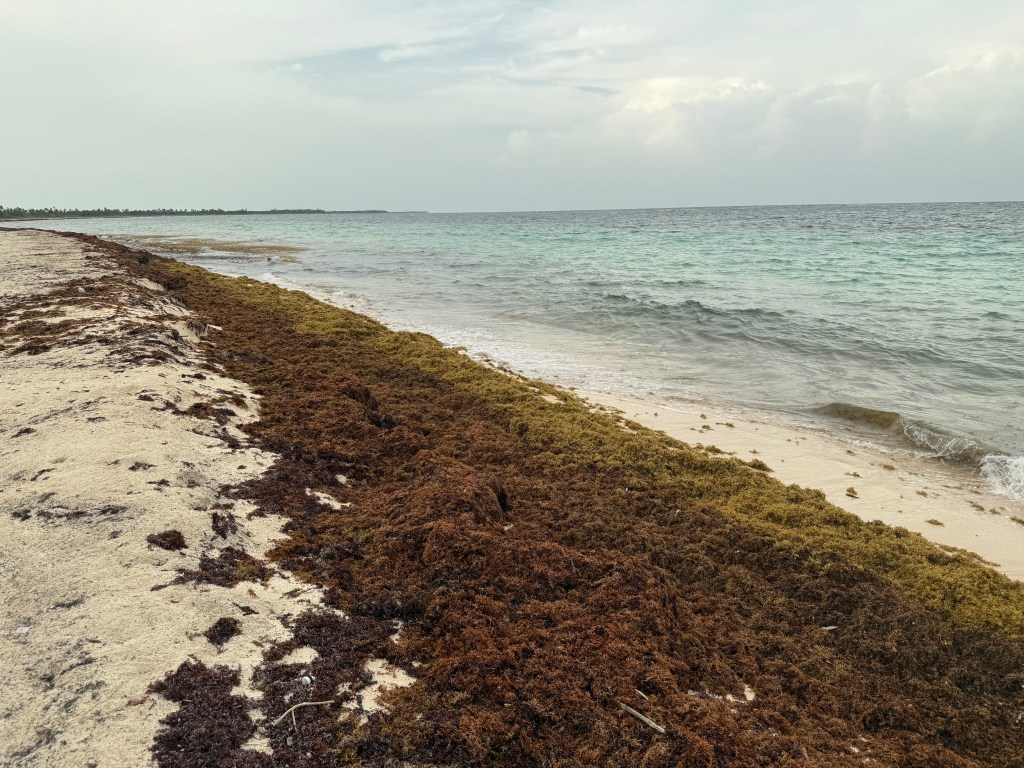
The normally white sand beach sported a thick band of sargassum, with more rolling in from the surf. The water remained clear along most shorelines, but on the shallower sections, sargassum rotted in the water, consuming dissolved oxygen, and tainting the water with stinky and toxic sulfur dioxide.
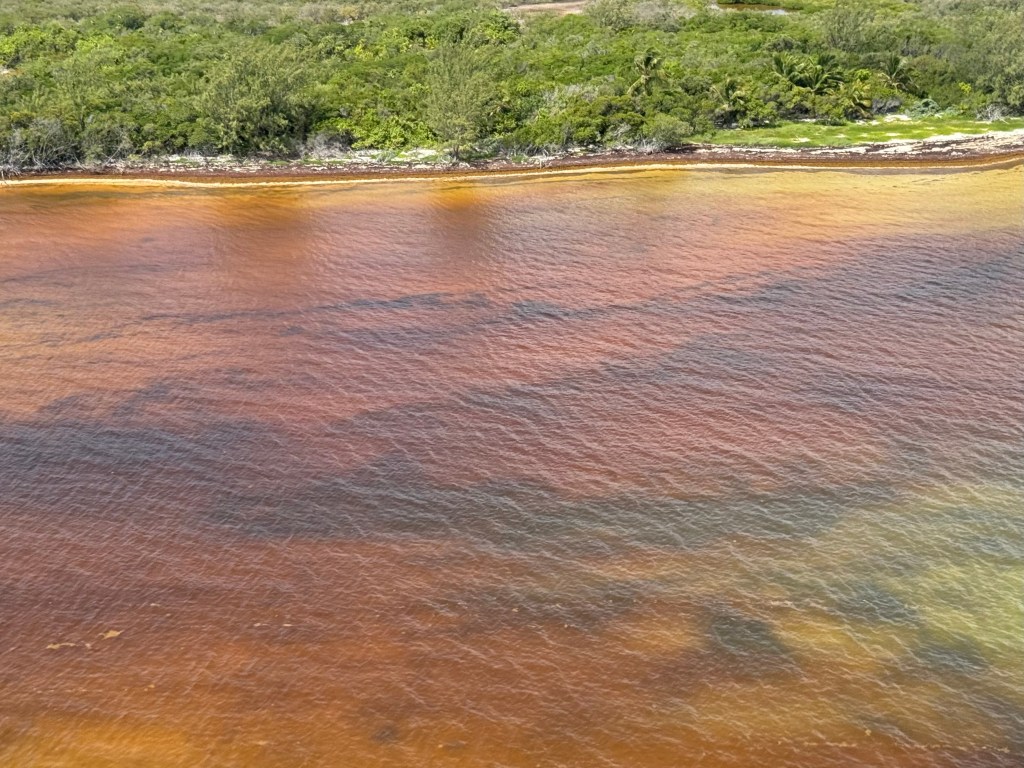
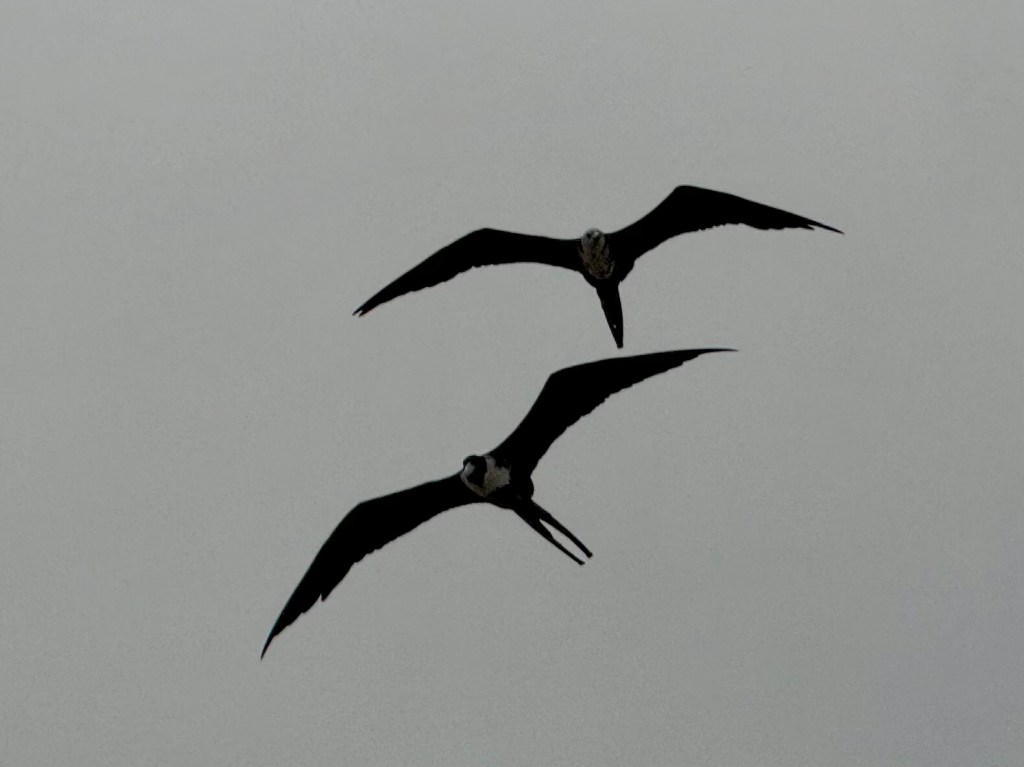
Tarpon can breath air and so hunted baitfish disabled by the anoxic water. Frigatebirds did likewise.
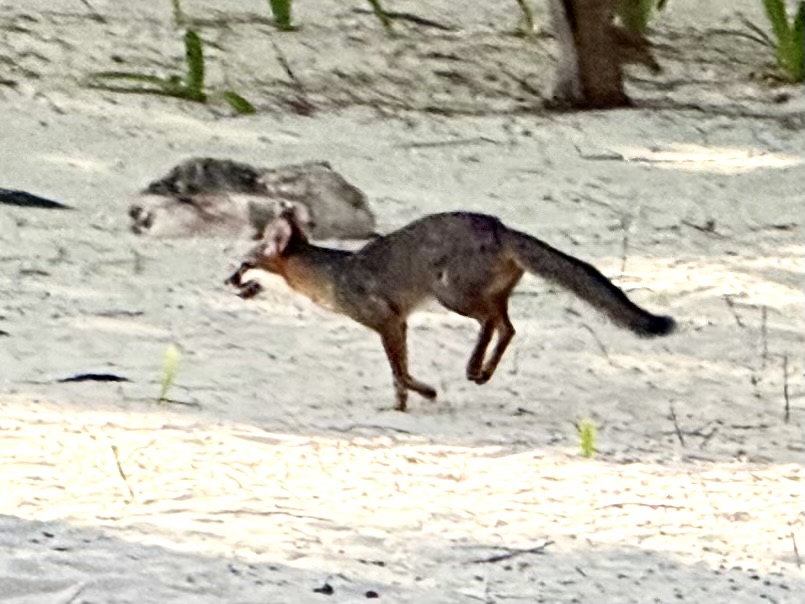
Gray Foxes are common on the grounds and surrounding woodland. In addition to the usual foxy fare of lizards, bugs, and baby birds, they munch on the assorted terrestrial crabs that wander the sandy grounds.
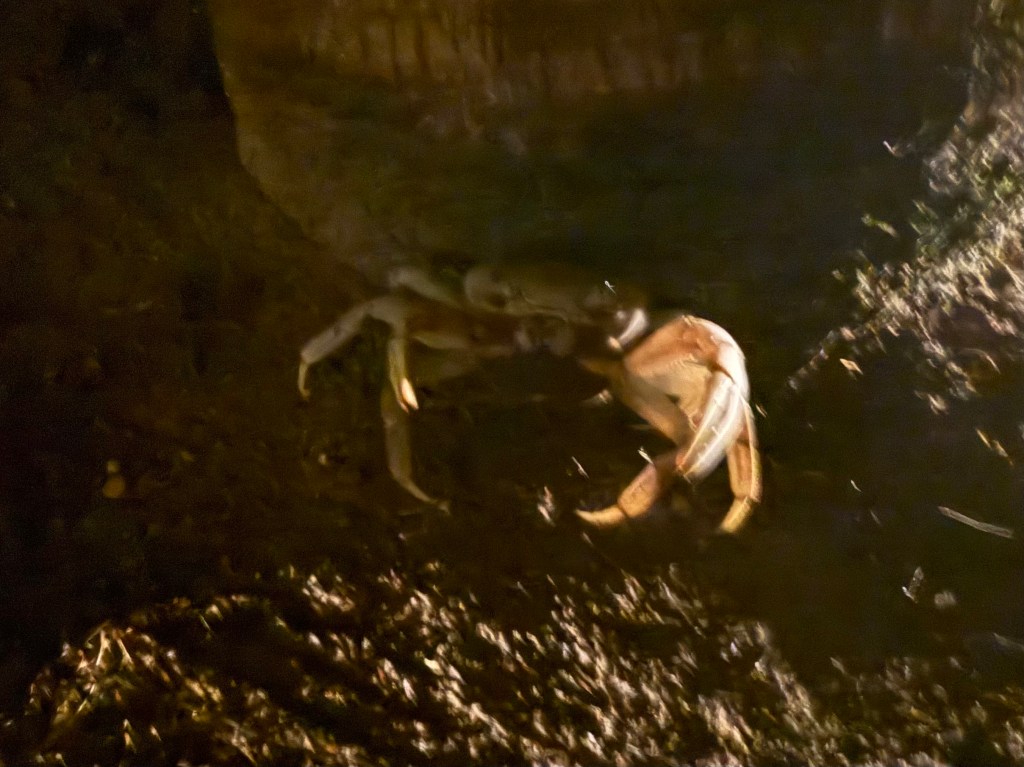
Our first night at the lodge, a fox stole one of two flip-flops off a cottage porch. The flip-flops belonged to Nate, a small animal vet from Idaho, who, in addition to flip-flops, had brought along his 20 year old son Calvin.
The next six days, quite a lot of fishing happened, some of which I’ll describe in subsequent posts. But for now, we’ll stick to the Lodge and its surrounds.
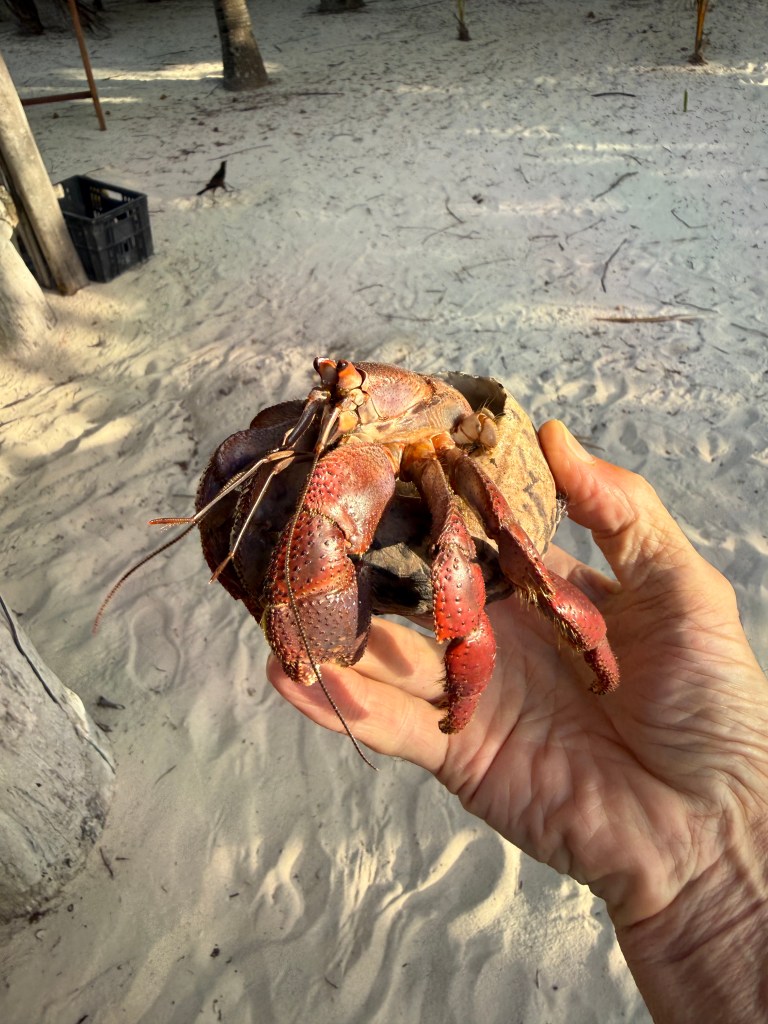
This hermit crab is so well armored no fox is going to make a dent, and might get his nose pinched if it tried. The ubiquitous Great-tailed Grackle marches across the upper left corner of the photo.
Ruins of a Mayan temple are a short walk down a mosquitoey trail through the woods.
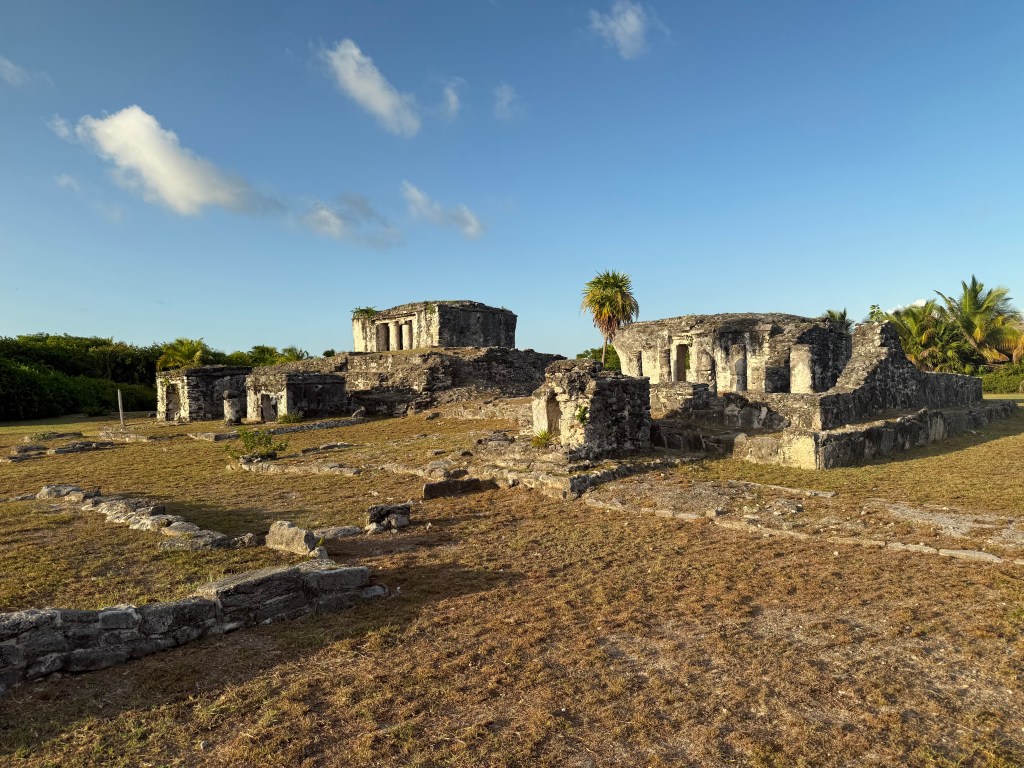
A fox trotted down the trail ahead of me before darting into the thick woods to check on his collection of kiped footwear. A member of the staff was lucky enough to spot a jaguar on the road one night. Seeing a jaguar would have upstaged catching a Permit.
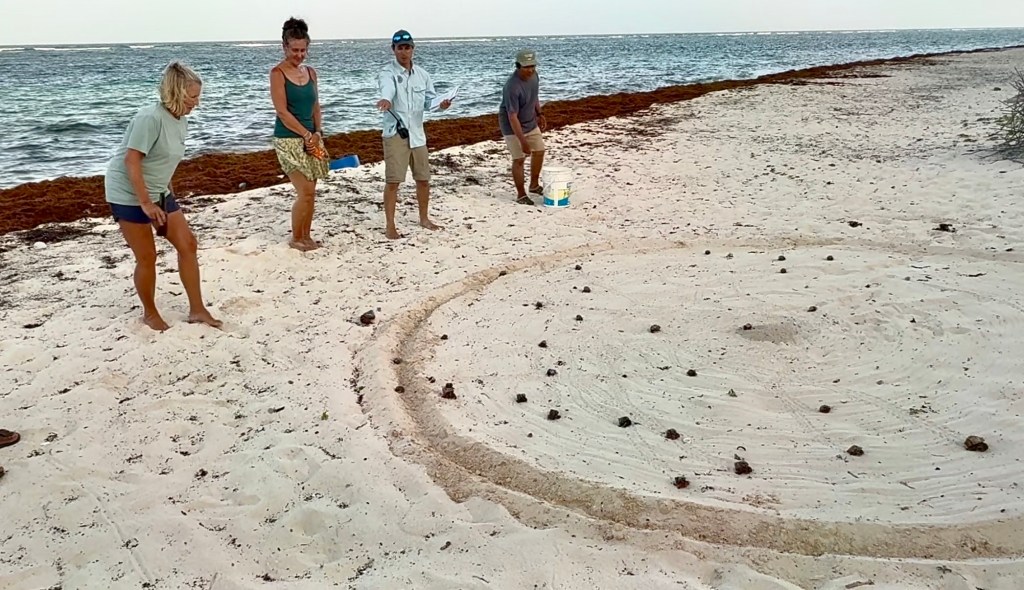
Our final evening we had a hermit crab race. The guests bet $20 each on which numbered crab of 30 would make it out of the sand ring first. My crab, #20, lost in the first elimination round. The ultimate winnings were contributed to the deserving staff who took such good care of us.
Nate’s missing flip-flop was never found.


Leave a Reply