We’ve all had the odd day in which few things go right but it works out and still counts as a good day. Here’s mine.
I rise at 3:10 am to fish the Ten Thousand Islands, where Everglades National Park meets the Gulf of Mexico. The weather forecast includes low hourly odds of light rain throughout the day, with 45% cumulative odds overall.
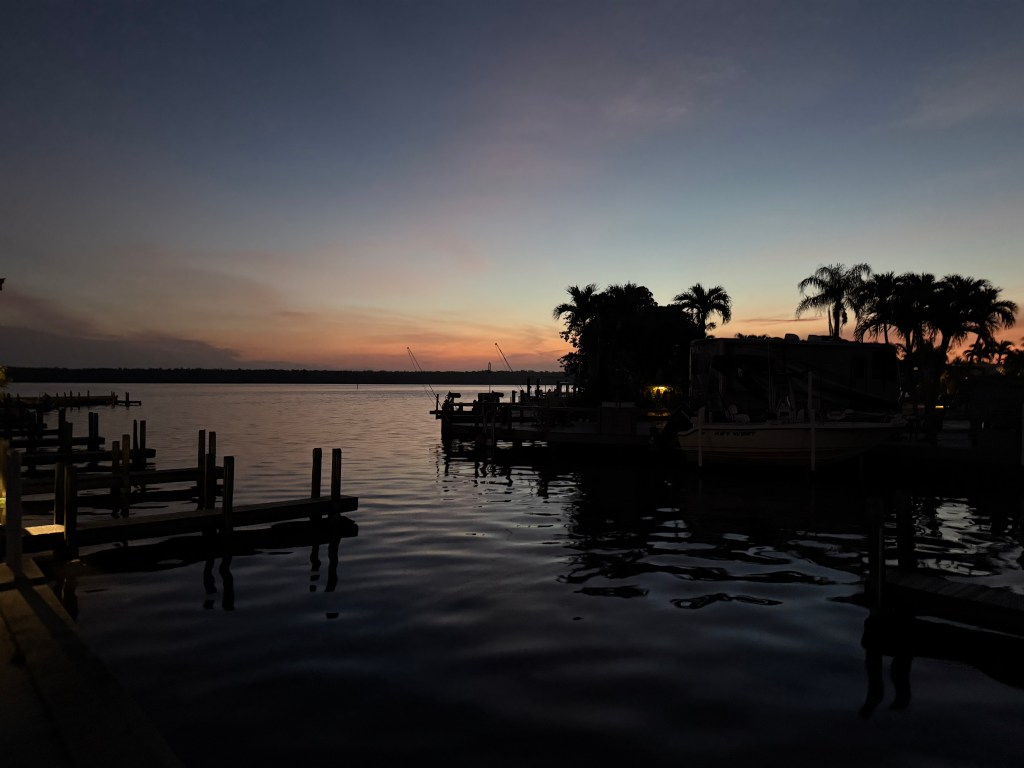
Predawn boat check at the marina in Chokoloskee reveals the waterproof controller for the trolling motor isn’t working. I carry tools in the boat and the fix proves simple: disassemble, remove and reinsert batteries, reassemble.
My first destination is Pavilion Key, a 12-mile run to the south through the maze of islands. About halfway there the wind comes up, raising waves that break on the deck of my little skiff. I turn on the bilge pump and head for the closest of approximately 10,000 mangrove keys in the vicinity. Then the sky opens. The rain is warm but I throw on my rain suit so at least my underwear stays dry.
The mangrove key occupies less than an acre, so I entertain myself fishing back and forth along the lee mangrove edge while I wait out the squall. I know a rainbow is coming. In this wind the fly rod is outgunned, so I slum it and take out the spinning rod (oh, the shame). A small ladyfish pecks at my lure but I find no “serious” fish.
And so goes fishing throughout the morning, substituting small saltwater catfish on the open flats for the small ladyfish near the mangroves. Whenever I feel the catfish’s telltale quiver as it nibbles the lure’s tail, I yank the lure away. In all, I catch only two of these swimming mucus bombs. In time, the storm moves north, and my clothes dry out in the sun and wind. A faint rainbow appears. I have no complaints.
Fast forward through the morning to a nameless mangrove creek I’ve been wanting to explore, situated 15 miles south of the launch. Tight creeks like this one are buggy this time of year. Somehow the storm added a cup of saltwater to the ziplock bag holding my mosquito head net. It’s fine – wind is keeping the mosquitoes at bay, mostly.
I get out the push pole and head in at the start of the incoming tide, the wind at my back. I drift up the creek, pausing with the stick anchor to cast in front of the boat. A handsome 22 inch redfish (aka Red Drum) inhales the lure and roars down the creek for open water. A redfish counts as a “serious” fish.
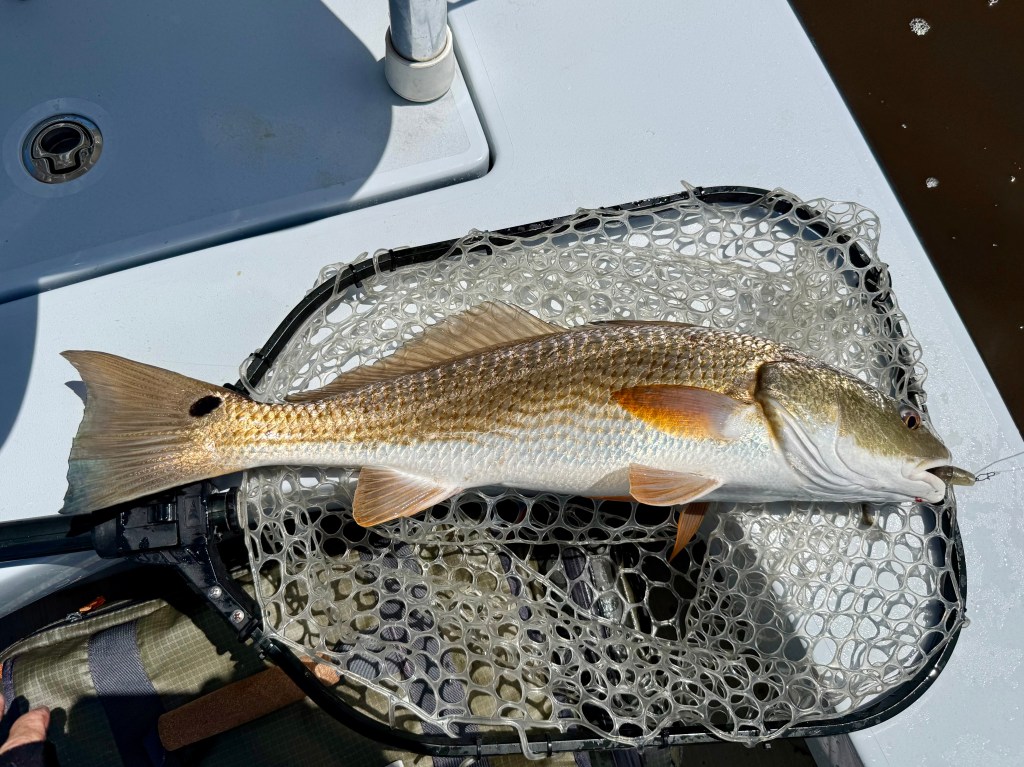
Proof of concept. I stow the spinning rod and take out a fly rod. Fly casting in a mangrove creek is like doing cartwheels through a yarn store while wearing a Velcro suit. The wind adds a stochastic element to the fly’s trajectory that wipes from the game my last vestige of skill. I pole out against the wind and current and get a proper workout.
It’s sunny now but wind still riles the open water of the Gulf. I take the long way back, winding through the sheltered bays and rivers of the back country.
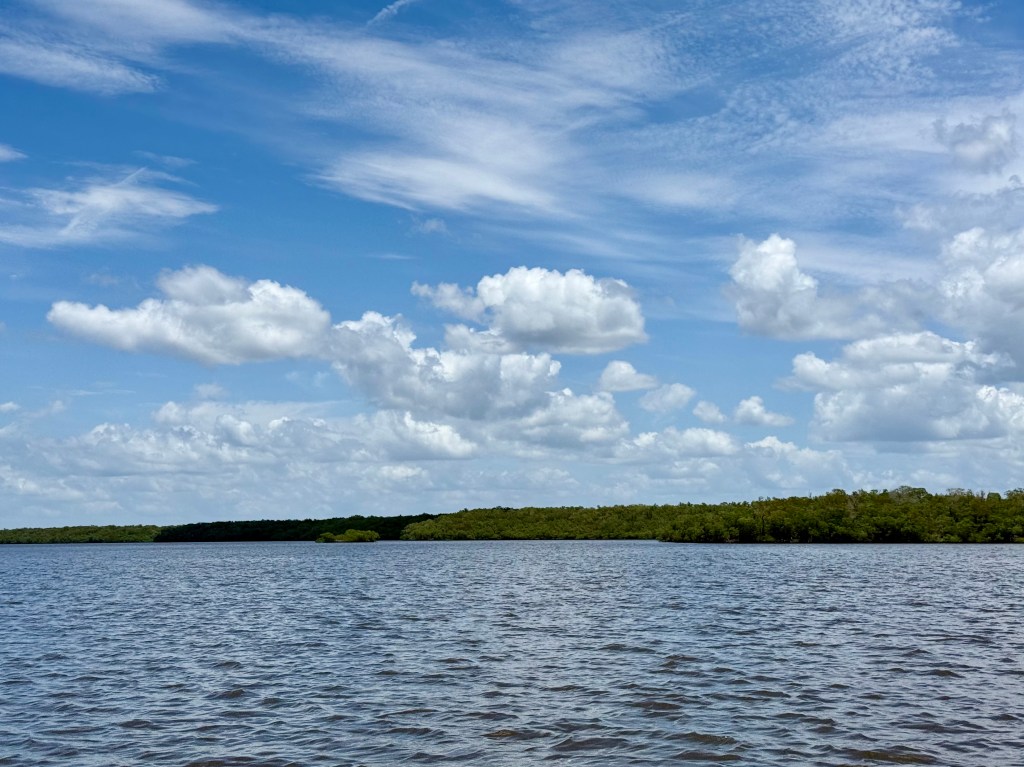
The day has been a tour of the places in Peter Matheissen’s books Killing Mr. Watson and Shadow Country.
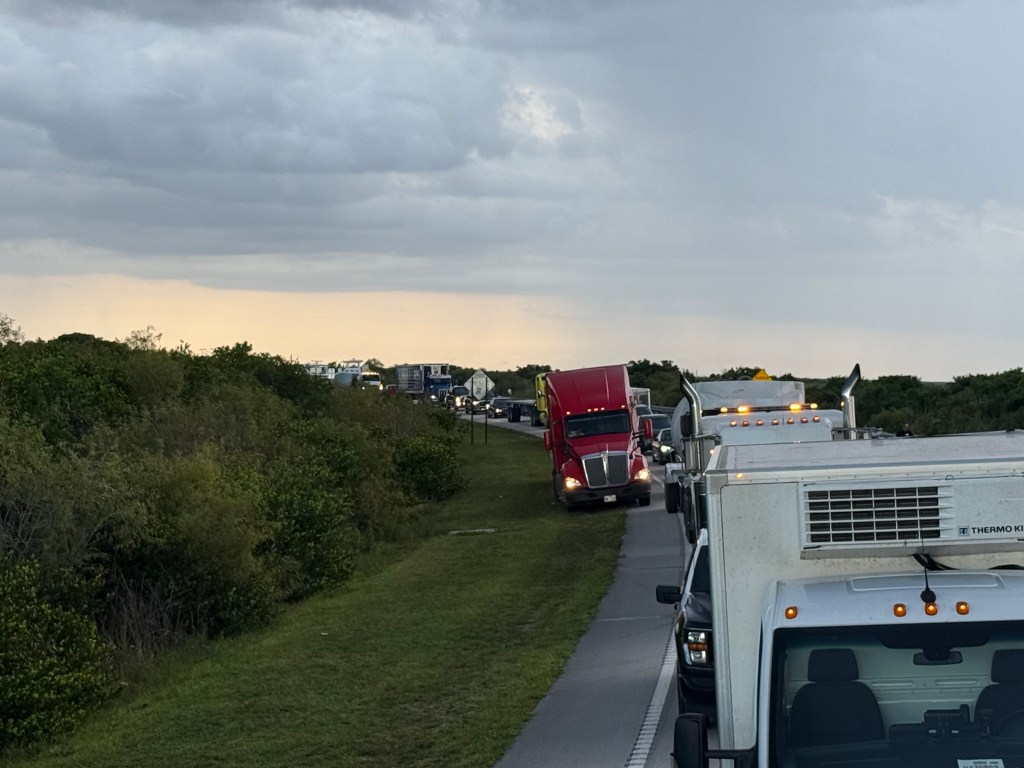
At 3:30 pm, the Miccosukee Police stop all eastbound traffic on the Tamiami Trail. I am car #11 in a line that will, in time, extend back for miles as wildfires in the east Everglades force closure of road after road.
A storm forms to the north, but the wind is still pushing from the south and will not direct it over the fire.
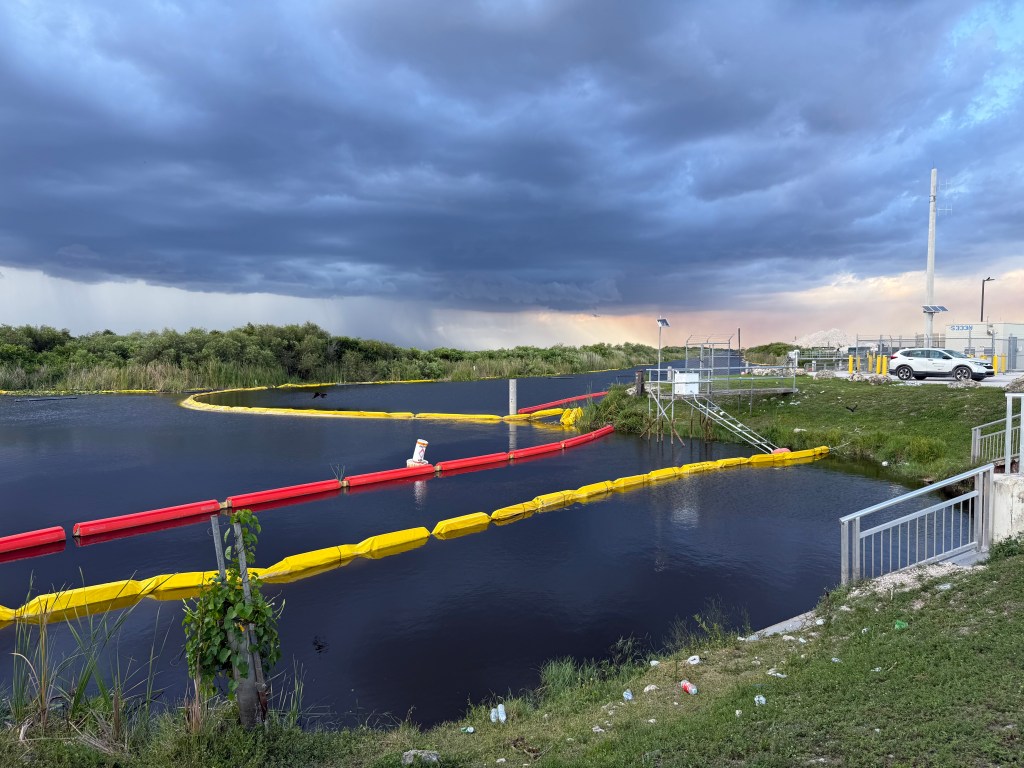
We are parked near the Valuejet Memorial, about 40 minutes from home. I know this area – it’s a good spot for bass. I’m tempted to pull out the fly rod again, but two large alligators get the same idea, so maybe not.
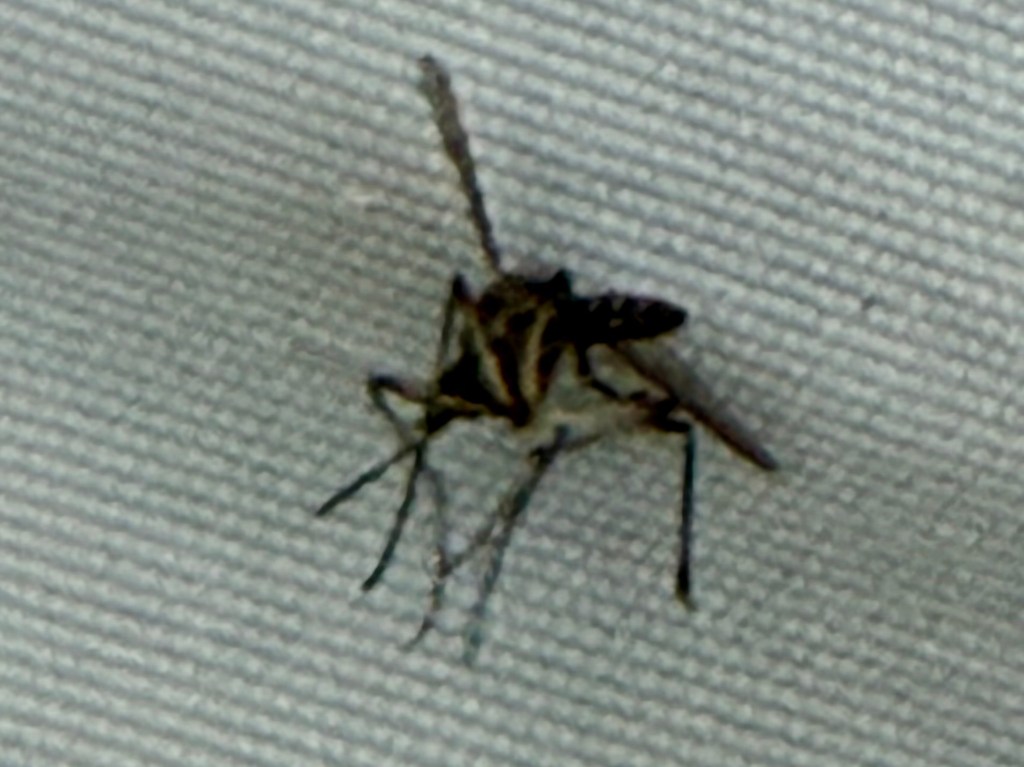
We are told our wait will be at least six hours. I invite some friendly Everglades mosquitoes into the car to keep me company.
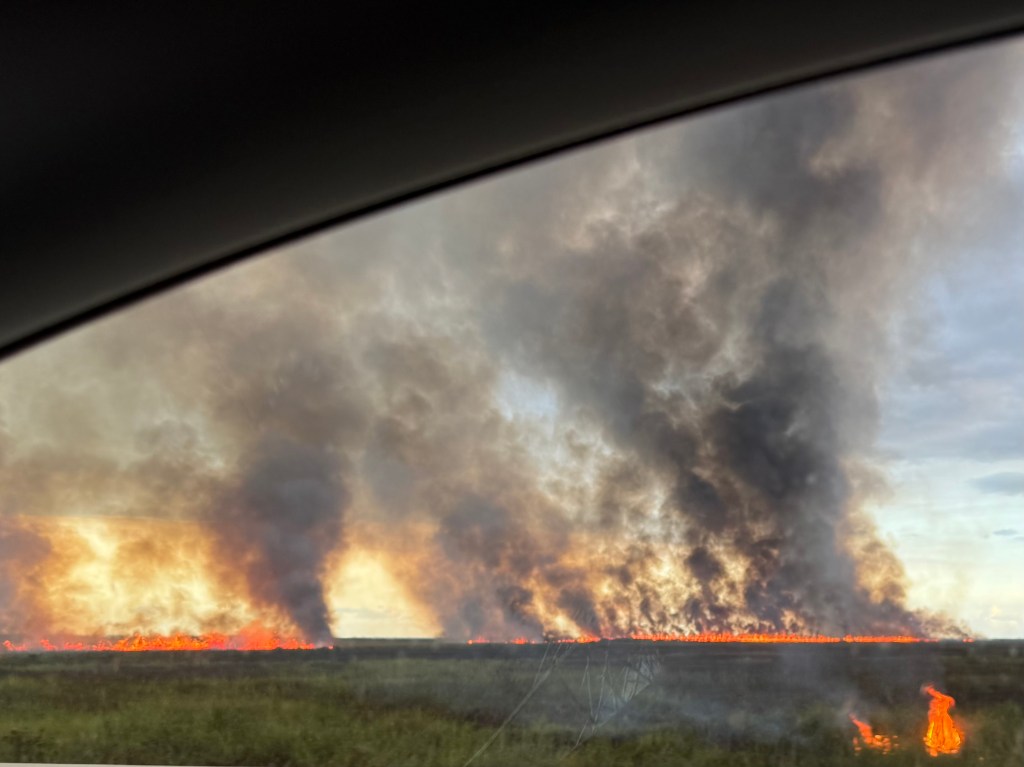
A mere four hours later the wind changes direction and the police let us through. The fire is impressive.
I roll in at 8 pm. Expecting a 6+ hour wait, I had consumed an emergency granola bar for dinner, but Gray has a better menu ready for my second dinner. Bless her.


Leave a comment