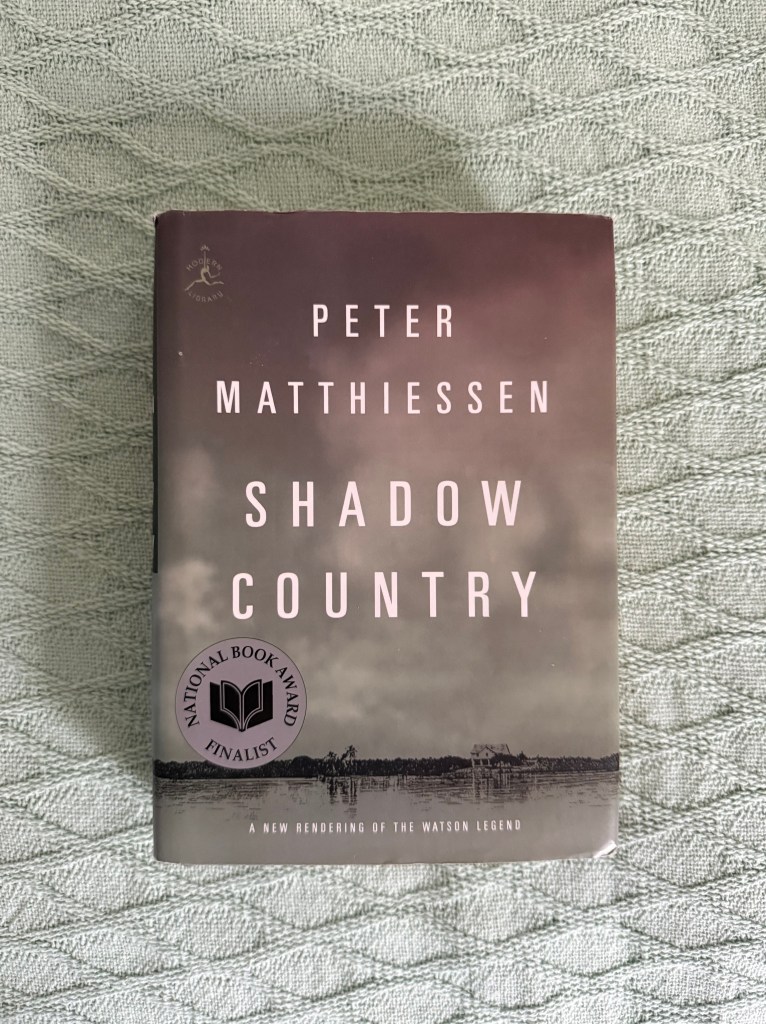
I am enjoying Peter Matthiessen’s work of historic fiction, Shadow Country. The first third of the book, “Killing Mr. Watson”, takes place in my fishing & camping haunts in the Ten Thousand Islands of the Florida Everglades. The book centers on the life and legacy of Edgar J. Watson, a murderous homesteader with dreams of developing southwest Florida’s mangrove coastline. My travels through the Ten Thousand Islands and Big Cypress Swamp crisscross the paths of historic characters throughout the book.
One incidental character in the story especially piques my interest. The French Ornithologist Jean Chevalier (also spelled Chevelier) lived on the shore of Opossum Key just south of Watson’s homestead on the Chatham River. Chevalier financed his scientific work by hunting egrets for their plumes and exhuming Calusa artifacts.
Chevalier’s first Everglades guides were the Bradley boys. The horrific experience of killing nesting wading birds for their feathers led the youngest of these, Guy Bradley, to sign up as the first warden in Florida. Bradley was hired by the New York Audubon folks to guard South Florida’s remaining wading birds, which had just received protection under the new Migratory Bird Treaty Act. The plume poachers promptly murdered him. As Guy Bradley was a beloved fiddle player in Key West, the islanders burned down the poachers’ house and ran them off.
Matthiessen suggests that Jean Chevalier likewise met an untimely end. Seen in fine health one day, Watson reported him dead and buried the next, immediately after Chevalier purportedly signed over his property rights to Watson.
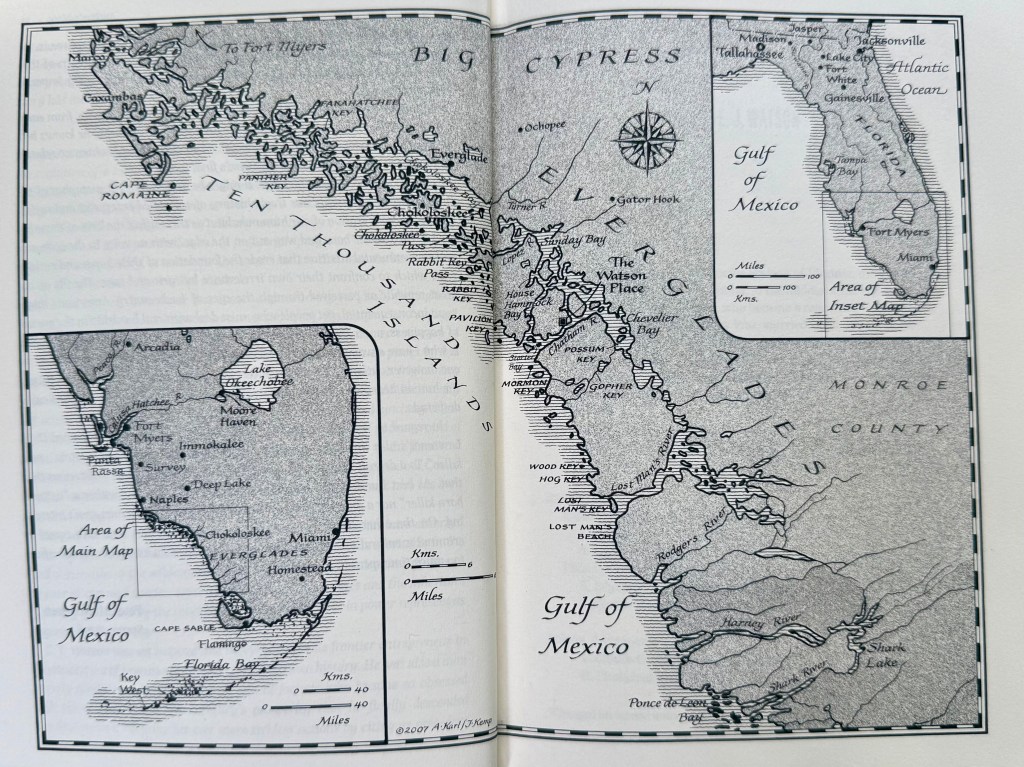
Pouring over the map in the front of the book, my eyes light upon Chevelier Bay, situated midway along a string of inland bays. These remote bays constitute nearly half of the 99 mile Everglades Wilderness Waterway. These bays in the western Everglades / Big Cypress ecosystem are shallow with tannic water and mud bottoms.
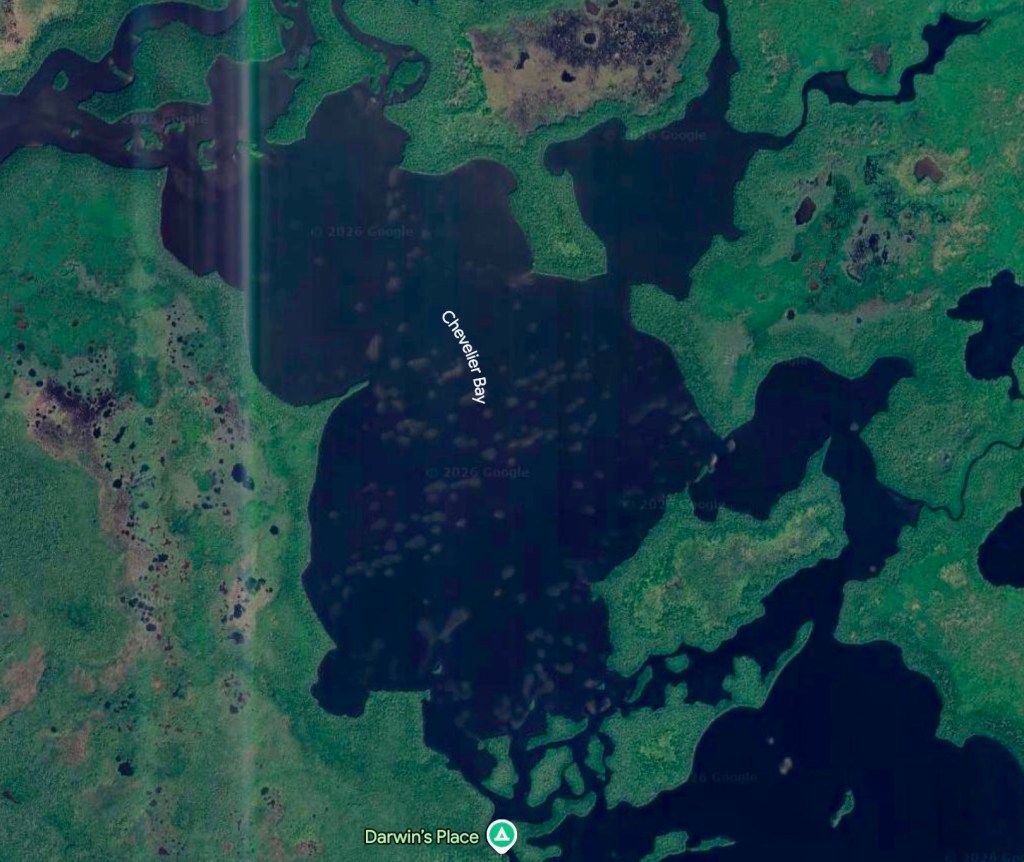
On Google Earth, though, the bottom of Chevelier Bay appears different from the others, uniquely dotted with oyster patches. I want to see it up close, and of course, to check out the fish and birds.
Chevelier Bay is ~20 miles by water from the nearest road, so a day trip requires the skiff instead of the kayak. Getting stuck by a falling tide that far into the backcountry would not be smart, so I’ll want to time my arrival at the shallow bay a hour before the crest of the inland tide.
Between my volunteer stints as a poll-watcher, I find a day promising fair weather and the right tides.
Around 6:30 am on the appointed day, I learn that the price of launching a skiff at Chokoloskee had risen from $25 to $35. Geez. When next I see the owner, I’ll ask if he would entertain a “retired educator discount”.
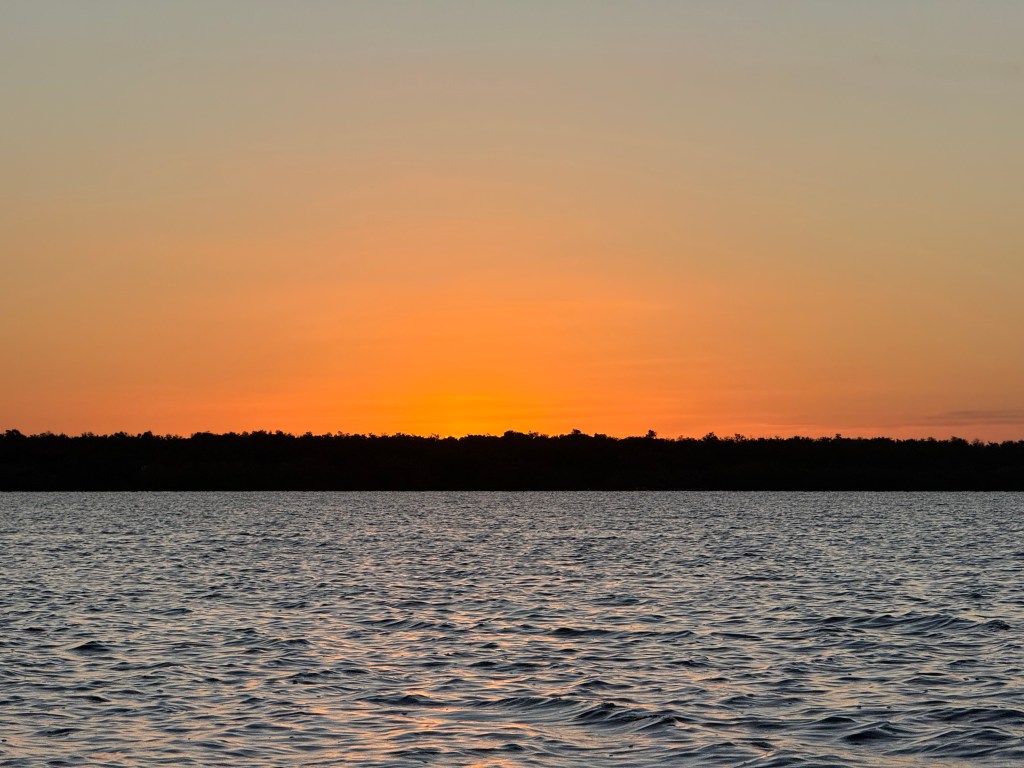
I pay up and launch at low tide, affording another sunrise over Chokoloskee Bay. A passing flock of Roseate Spoonbills overhead glows in the dawn light.
When the tide is down, one cannot traverse the shallow backcountry water route, so I run around the outside of Rabbit Key on the edge of the Gulf.
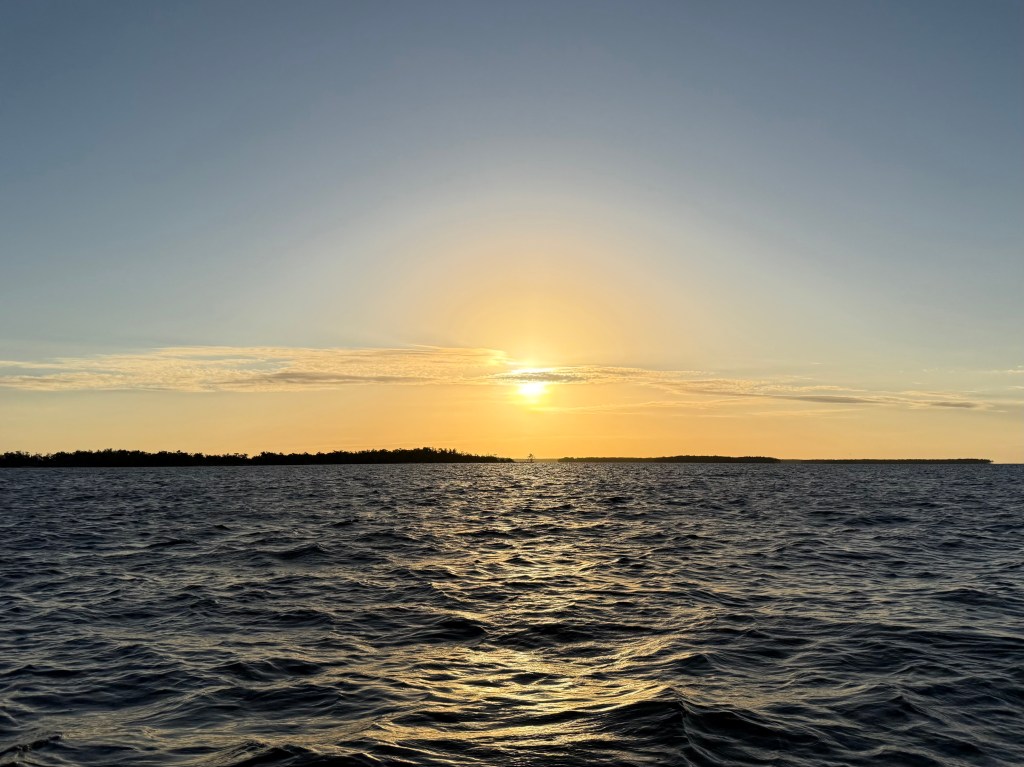
The chop and wind on the open water conspire to soak my pants clear through. A drier-running skiff would help, but waterproof overalls would be cheaper.
A Peregrine Falcon does a lazy fly-over. So cool. Reaching for my boat binoculars, I remember (yet again) that a friend borrowed them for a week in August and still has not returned them. Leaving a birder without his boat binocs during the coastal raptor migration has to result in automatic suspension of borrowing privileges.
With a little time before the tide allows me into Chevelier Bay, I fish the Huston Coves along the edge of the Gulf. (“Huston” is pronounced like “Houston”.) The coves are bubbling with small baitfish and mullet, but no predatory fish are in evidence, save for small seatrout. Have the predators filled up early and gone elsewhere to digest their meal?
Tides on the outside of the 10k Islands lead those on the inside by two hours. The tide on the Gulf edge is already approaching high, allowing snook and redfish to enter the flooded mangrove forest. I hear the loud smacks of snook continuing to feed on small fish deep in the trees. More continuous splashing of a flooded spit draws me in for a closer look….
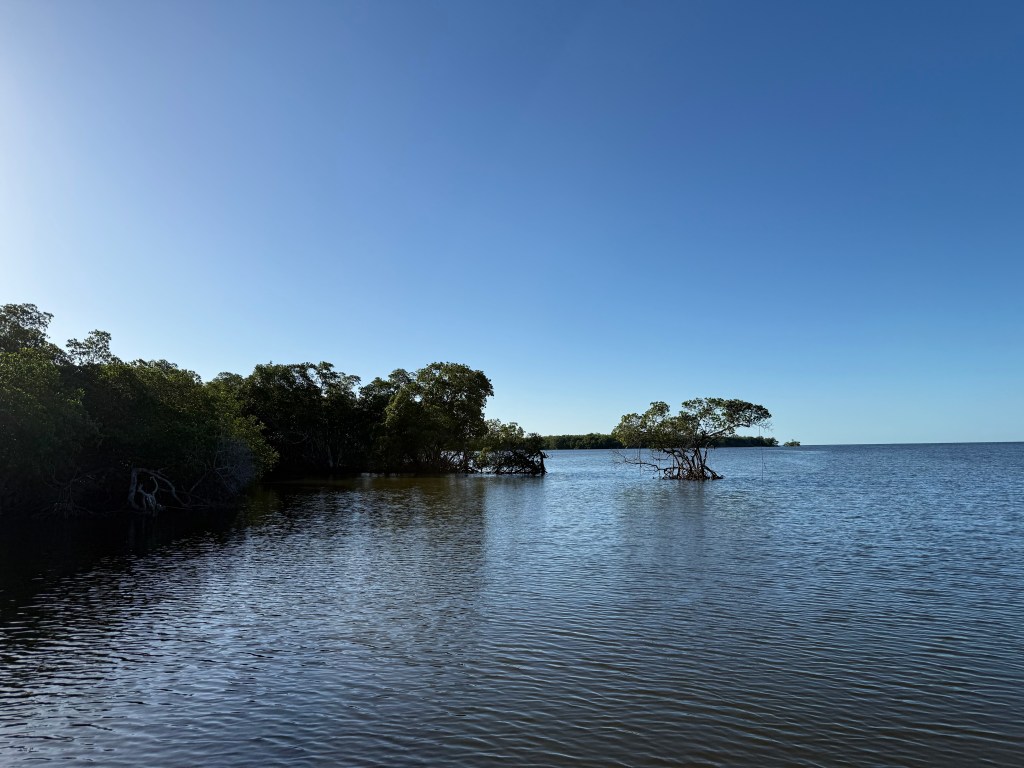
I make out the bronze backs of redfish chasing prey in the shallow water among the mangrove roots. Having no way to cast a fly or lure that deep into mangroves, I fish the accessible water outside the trees and catch some Speckled Seatrout.
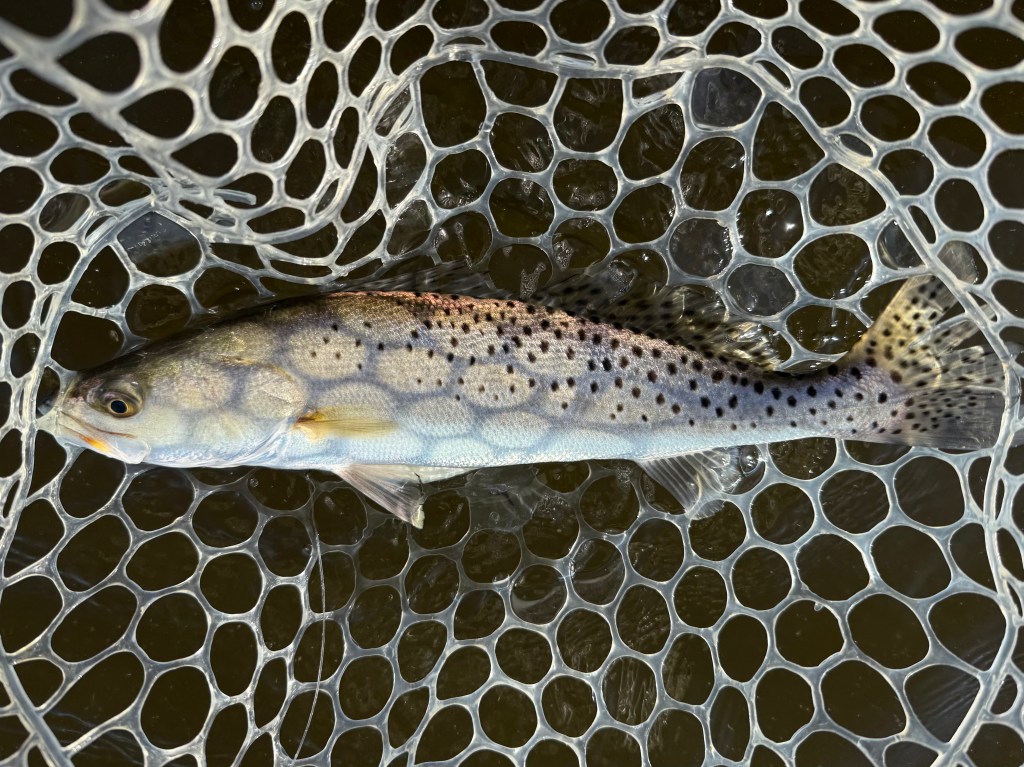
Such pretty fish. I put them back.
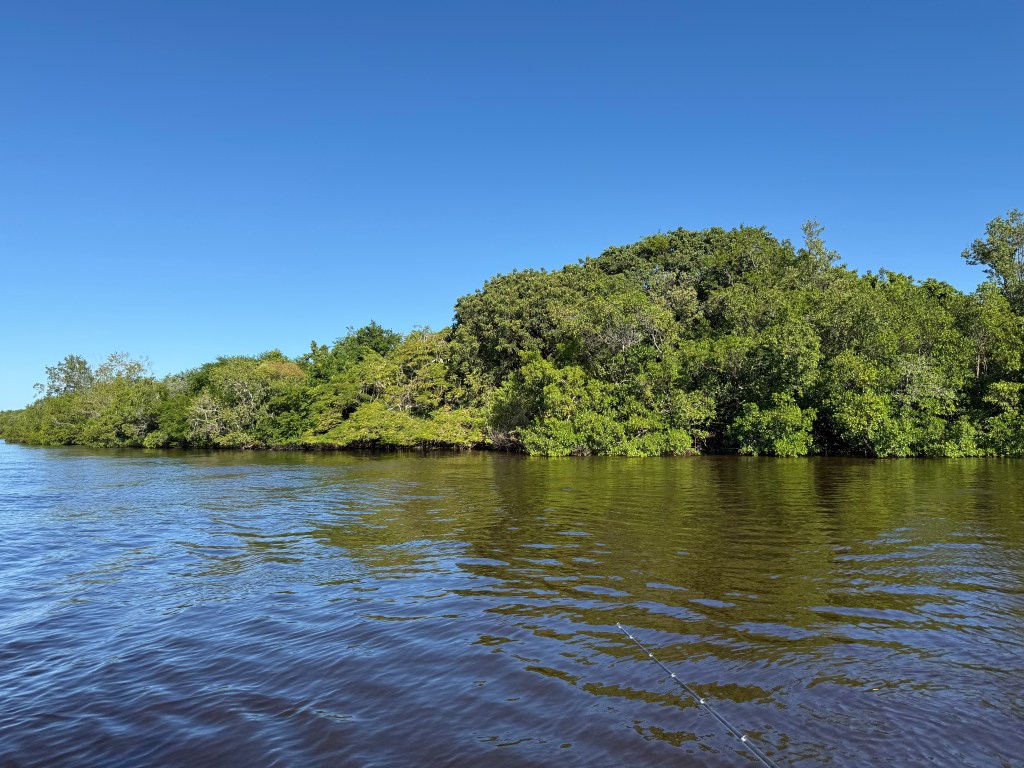
Heading up the Chatham River, I spot the Watson Place, a 40 acre patch of relative high ground, evidenced by the taller hardwood hammock. Royal Poinciana trees, native to Madagascar, indicate 20th Century habitation. On this spot, Edgar J. Watson built a fine house, raised families by successive wives, grew Florida’s first sugarcane, and pretended to look the other way while his foreman murdered the farm hands after the harvest, saving Watson the expense of paying them.
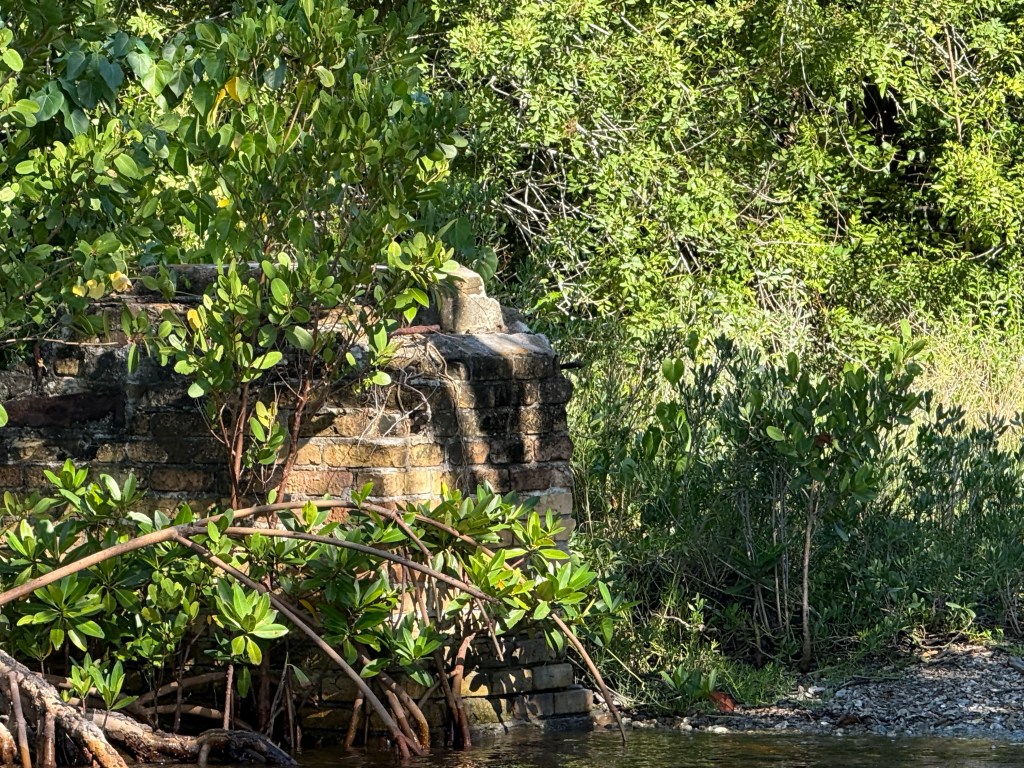
Remains of the Watson homestead include this intact brick structure, maybe a cistern or possibly the boiler for reducing sugarcane juice to the syrup from which Watson earned a living. Imagine hauling those bricks and mortar up from Key West or down from Ft. Myers. Plus a lot of heavy bullets.
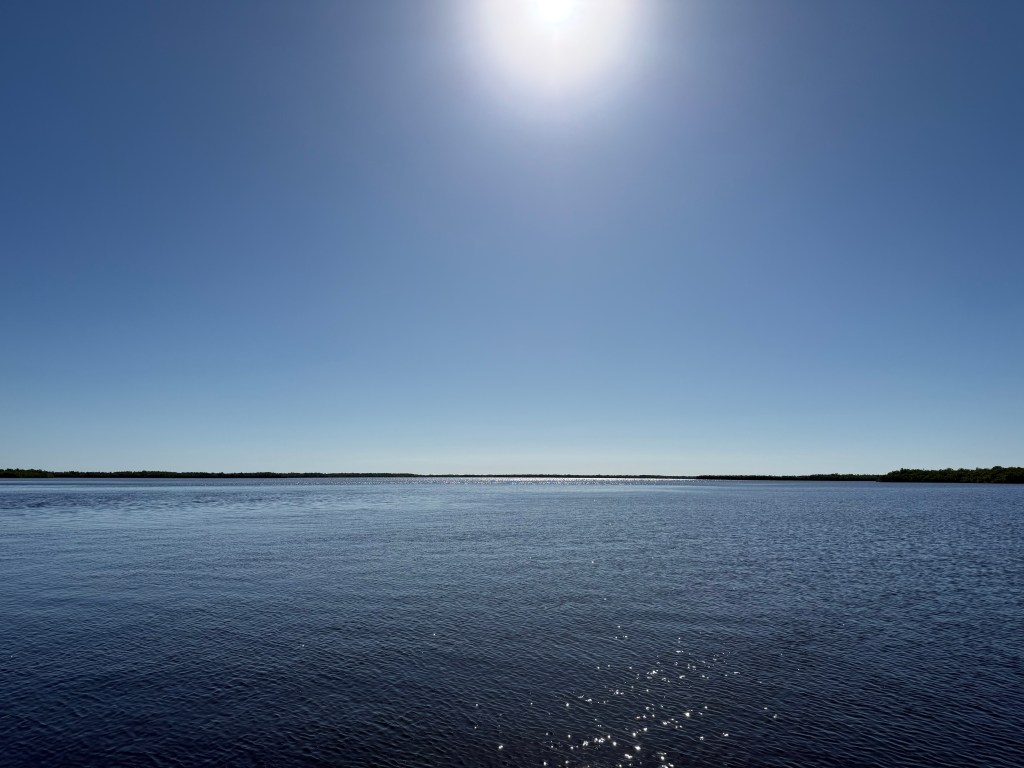
Chevelier Bay is deeply tannic, resembling nothing so much as Turkish coffee. I see no baitfish, just a Great Blue Heron and a couple of contented Ospreys. Little promise for fishing here today. After getting no bites while blind-casting at promising points and constrictions, I keep exploring southward.
On the west side of the bay I pass Opossum Key, where Jean Chevalier built his house.
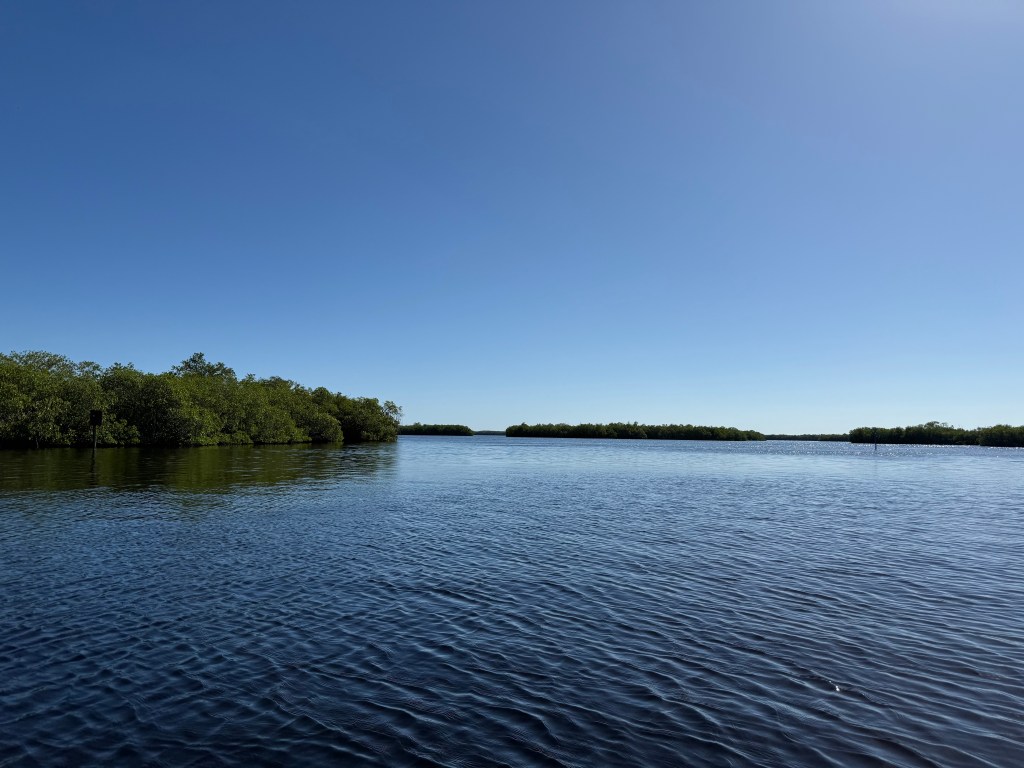
I venture through the next two bays. Seeing no tarpon in Tarpon Bay, I turn back to check out the oyster beds visible in the aerial imagery of Chevelier Bay.
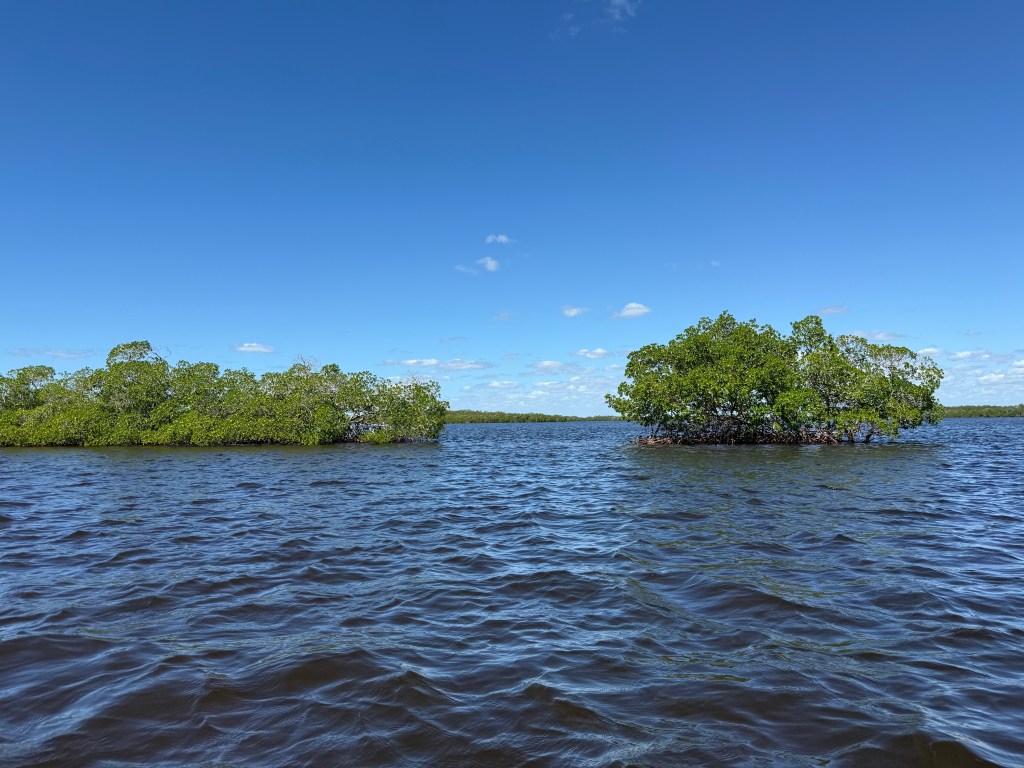
Putt-putting along, I pause to lift my seat and check the fuel gauge on my tank. Just under half full, too little for continued exploration. With more time and fuel, I would have continued south another eleven miles to the aptly named Lost Man’s Lakes, Lost Man’s River, Lost Man’s Beach, and Lost Man’s Key. These famous fishing spots are also significant in the Watson story.
* * *
A young couple, Wally and Bet Tucker left E. J. Watson’s employ suddenly after discovering the bodies of two cane cutters, disinterred by Watson’s hogs in the back of the cane field. The Tuckers relocated to Lost Man’s Key, with blessings of the owner, clearing brush and planting their own farm near Lost Man’s Beach. When Watson got title to Lost Man’s Key, he sent the Tuckers a note instructing them to clear out immediately. With both their harvest and baby due in the next month, they refused to vacate on short notice. Neighbors heard gunshots and found the couple shot dead, the unique keel mark of Watson’s boat visible nearby.
These deaths didn’t sit well with the locals. Neither did the deaths of numerous subsequent Watson employees. E. J. Watson disappeared for a while, but when the people of Chokoloskee heard the distinctive chugging of his motorboat approaching Smallwood’s Store, men gathered on the shoreline with their rifles loaded.
Ed Watson mistook this display for a bluff and upped the ante as he’d always done, raising his double-barreled shotgun towards the men.
They hurriedly buried Watson in the sandy beach at Rabbit Key. The coroner later removed 33 bullets from his corpse.
* * *
It’s time for me to head back to Chokoloskee myself, on plane at full throttle to maximize fuel efficiency.
The return route through the backcountry traverses a string of six shallow bays, the winding and narrow Crooked Creek, Lopez River, and at last the oyster shoals of Chokoloskee Bay in sight of Smallwood’s Store. There I spot-lock the trolling motor to fish and eat a late lunch.
As I cast and retrieve paddletail lures over the oyster beds, a Checkered Puffer swims up and bites off their tails. Gee, thanks.
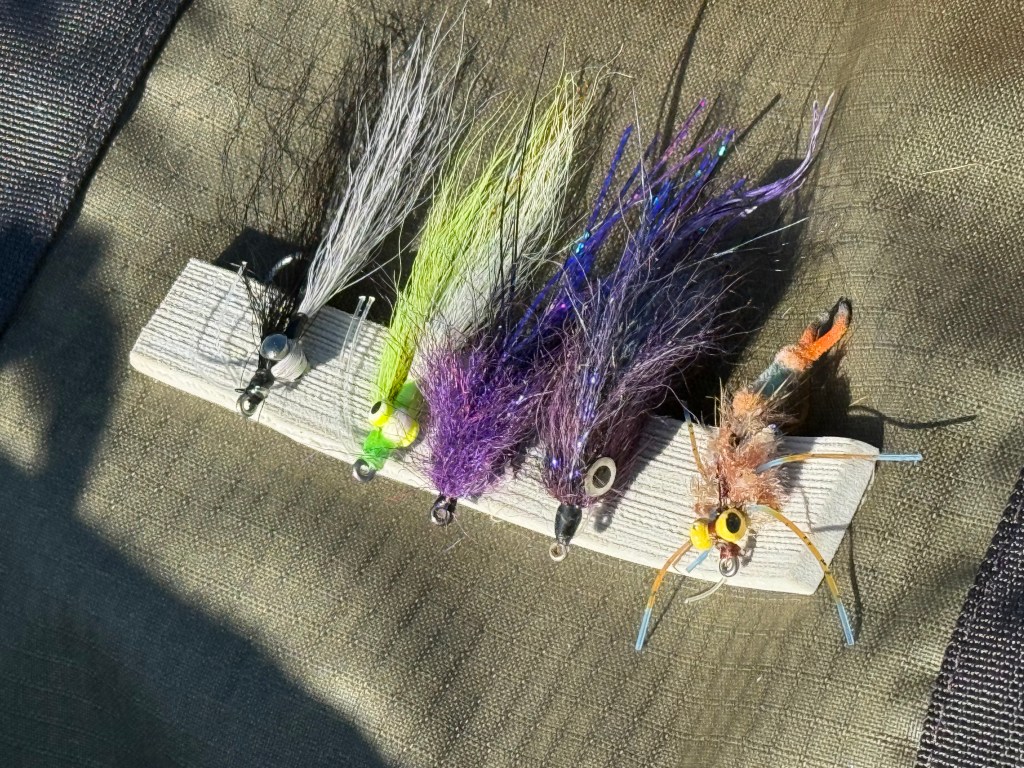
Throughout the day I have encountered more ghosts than living people, just three boats in the distance and one skiff anchored at a bay mouth. I never found fish worth breaking out the fly rod, but that can happen. Its limitless bounties long gone, the Ten Thousand Islands remains a moody and unforgiving place that requires commitment and hard work for anything it shares.


Leave a Reply